
A net zero future for the residential sector focuses on practical improvements like draught sealing and insulation to reduce heating and cooling demand before investing in complex technology. This foundational shift reflects a broader national commitment to balance the amount of greenhouse gas released into the atmosphere with the amount removed by the year 2050. As of 2026, the federal government has established clear legislative milestones to guide this transition, including an ambitious target to reduce emissions by 62% to 70% below 2005 levels by 2035. For the average resident, these macro-level policies translate into tangible changes in how homes are built, renovated, and powered. Understanding the timeline is crucial because it allows for a gradual evolution of the domestic environment rather than an expensive, immediate overhaul. By aligning personal property maintenance with national energy trends, owners can take advantage of shifting market conditions and improving technological efficiencies to enhance comfort while contributing to the country’s collective environmental objectives.
The current energy landscape is characterized by a significant move away from centralized fossil fuel generation toward decentralized renewable sources. This transition is already visible in the increasing prevalence of rooftop solar systems and the growing integration of smart home technologies. While the 2050 target represents the ultimate destination, the interim goals for 2030 and 2035 provide the necessary momentum for utility companies to upgrade infrastructure and for manufacturers to bring more efficient electric appliances to the consumer market. Homeowners do not need to feel pressured by a specific legal mandate to achieve zero emissions individually by a certain date; instead, the focus remains on participating in a cleaner grid and adopting better habits. By viewing the net zero target as a long-term roadmap, residents can strategically plan their investments in solar, batteries, and electrification to maximize financial returns and operational reliability in a changing climate.
1. Understanding the National Net Zero Target
The concept of net zero is central to the global response to climate change, representing a state where human-induced greenhouse gas emissions are entirely offset by removals through natural or technological means. In the Australian context, this does not imply that every domestic activity must become entirely carbon-free, but rather that the total emissions generated across the entire economy must be balanced by sequestration efforts like reforestation or carbon capture technology. This economy-wide objective is designed to stabilize the climate while allowing essential industries to continue functioning through cleaner methods. For a household, this means that while you might still use certain energy-intensive services, the electricity grid supplying your home will increasingly rely on wind, solar, and storage. The legislated 2050 goal provides a predictable framework for business and industry, ensuring that the infrastructure supporting your home evolves to become more sustainable over the next several decades without requiring drastic lifestyle sacrifices.
Achieving these targets requires a phased approach that prioritizes deep reductions in the most carbon-intensive sectors first. The current milestone for 2030 aims for a 43% reduction in emissions relative to 2005 levels, serving as a critical stepping stone toward the 2035 target of 62% to 70% reduction. These figures provide a clear signal to the market, encouraging the phase-out of aging coal-fired power stations and the rapid deployment of storage solutions like large-scale batteries and pumped hydro. Homeowners should recognize that these national targets influence everything from local building codes to the availability of gas connections in new suburbs. By staying informed about these timelines, you can better anticipate shifts in energy pricing and the introduction of new government support programs designed to lower the barriers to entry for green technology. Ultimately, the national target serves as an insurance policy for future property values, as energy-efficient and low-emission homes are becoming increasingly desirable in the modern real estate market.
2. Strategic Approaches for Modern Residential Property
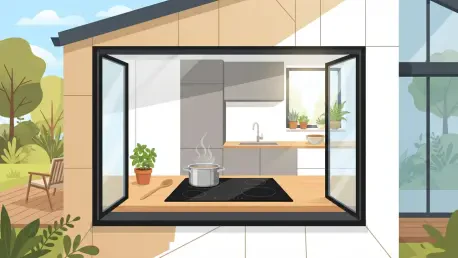
Navigating the path toward a lower-emission home involves three primary strategic pillars that work in harmony to reduce costs and environmental impact. The first pillar is the adoption of cleaner power sources, primarily through the installation of rooftop solar panels that allow residents to generate their own electricity during daylight hours. The second pillar involves electrification, which is the process of replacing appliances that burn gas or petrol with high-efficiency electric alternatives. This includes switching from gas cooktops to induction stoves and from internal combustion engine vehicles to electric cars. The third pillar focuses on developing smarter energy habits, utilizing digital tools and automation to shift power consumption to times when renewable energy is most abundant and electricity prices are at their lowest. This holistic approach ensures that a home is not just consuming different energy but is also using that energy more intelligently and sparingly.
The logic behind this strategic transition is rooted in the “efficiency first” principle, which suggests that reducing the total energy demand of a building is often more cost-effective than simply adding more generation capacity. When a house is well-designed and properly maintained, it requires significantly less electricity to maintain a comfortable temperature, regardless of the season. This means that when you eventually invest in solar or a heat pump, those systems can be smaller and less expensive because they are not working to overcome a poorly performing building envelope. Furthermore, electrification allows a home to benefit from the ongoing decarbonization of the national electricity grid; as more wind and solar farms come online, every electric appliance in your home automatically becomes cleaner over time. This synergy between individual household choices and national infrastructure upgrades is the most efficient way to reach the net zero objective while protecting the financial interests of the property owner.
3. Analyzing Power Consumption and Thermal Performance
The initial step in any meaningful home energy upgrade is a thorough analysis of current power consumption patterns to identify areas of waste and opportunity. Homeowners should begin by examining several consecutive utility statements to determine their average daily kilowatt-hour usage and the specific times of day when their demand peaks. Many modern retailers now provide interval data through online portals or smart meters, allowing residents to see exactly how much electricity is being used during the middle of the day compared to the evening hours. Understanding these patterns is essential for determining whether a solar system will be effective or if behavioral changes could yield immediate savings. For instance, if a household has high midday usage, solar panels will provide an immediate reduction in grid dependency, whereas high evening usage might suggest that a battery or a change in appliance scheduling would be a more effective first investment.
Once the consumption data is understood, the next priority must be enhancing the home’s thermal performance through basic efficiency measures. This stage focuses on the building envelope, specifically looking at insulation levels in the ceiling and walls, as well as the integrity of seals around windows and doors. Draught sealing is one of the most affordable yet impactful improvements a homeowner can make, as it prevents conditioned air from escaping and keeps outdoor temperatures from infiltrating the living space. Additionally, utilizing external shading like awnings or strategic landscaping can drastically reduce solar heat gain during the summer months, lowering the reliance on air conditioning. A well-insulated and sealed home acts as a thermal battery, maintaining a stable indoor temperature for longer periods. By addressing these fundamental physical aspects of the property first, you ensure that any future technology you install—such as an advanced climate control system—can operate at peak efficiency with minimal effort.
4. Evaluating Solar Potential and Energy Storage
Before moving forward with a solar installation, a rigorous evaluation of the roof’s potential is necessary to ensure the investment is viable. This process involves more than just checking for a north-facing orientation; it requires an assessment of available roof space, the pitch of the roof, and the presence of any shading from trees, chimneys, or neighboring structures. Even minor shading can significantly impact the output of a traditional string inverter system, although modern power optimizers and micro-inverters have made it easier to manage these challenges. Homeowners should seek professional assessments that provide detailed generation estimates based on local weather data and the specific configuration of their property. It is also important to verify the condition of the existing switchboard and wiring, as older homes may require electrical upgrades to safely accommodate a new solar array and its associated hardware.
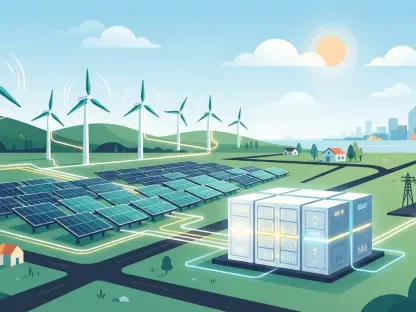
Investigating battery storage has become a logical next step for many as the technology matures and becomes more financially accessible. A home battery allows a household to capture the surplus energy generated by solar panels during the day and store it for use after the sun goes down, which is typically when energy prices are highest. Beyond the daily financial benefits, batteries can provide a level of energy security by offering backup power during grid outages, ensuring that essential circuits like refrigeration and lighting remain operational. When considering a battery, it is vital to analyze your discharge habits and look for systems that offer a high depth of discharge and a strong cycle-life warranty. As of 2026, many regional jurisdictions have introduced subsidies or virtual power plant programs that further incentivize the installation of storage, making it an increasingly attractive option for those looking to maximize their self-sufficiency and support the stability of the local grid.
5. Planning for Electrification and Smart Appliances
Transitioning away from gas appliances is a central component of the net zero journey, and it is most effectively handled through a long-term replacement plan. Instead of waiting for a critical failure that requires an emergency purchase, homeowners should identify the age and condition of their current gas stove, hot water heater, and space heating systems. As these units approach the end of their functional lifespan, they can be replaced with high-efficiency electric versions like induction cooktops and heat pump water heaters. Heat pumps are particularly noteworthy because they extract heat from the air or ground, making them several times more efficient than traditional electric resistance heaters or gas burners. By planning these upgrades in advance, you can research the best models and ensure your electrical system is ready for the transition, avoiding the stress and potentially higher costs of a forced, last-minute replacement.
Integrating electric vehicle charging into the home environment is another significant step toward personal electrification and long-term savings. If you are considering an electric vehicle, it is important to think about the logistics of charging, which often involves installing a dedicated level two charger in a garage or carport. Home charging is generally the most convenient and cost-effective way to power a vehicle, especially if the charging schedule is aligned with periods of high solar production or off-peak grid rates. Modern smart chargers can be programmed to start only when there is surplus solar energy available, essentially allowing you to drive on “free” sunshine. This integration turns your vehicle into a mobile energy asset that fits perfectly into a broader household energy management strategy. As the market for electric transport continues to expand, having a pre-installed charging solution can also add considerable appeal and value to your residential property.
6. Navigating Financial Incentives and Contractor Relations
Securing the best value for energy upgrades requires a proactive approach to navigating the various financial incentives and subsidies offered by state and federal governments. These programs are frequently updated to reflect changing policy priorities, so it is essential to check official energy websites for the most current information before making any financial commitments. For example, some programs might offer upfront discounts for battery storage, while others provide low-interest loans for comprehensive home retrofits. Eligibility can depend on factors like your location, the type of technology being installed, and even your household income level. By taking the time to research these opportunities, you can significantly reduce the initial capital required for major projects, shortening the payback period and increasing the overall return on your investment in a more sustainable home.
Once you have identified your desired upgrades and available incentives, engaging the right contractor is the final step in ensuring a successful implementation. It is vital to ask prospective installers specific questions about their experience, the components they use, and the performance estimates they provide. Specifically, you should ask for a breakdown of the total price after all rebates, a clear explanation of how they calculated the estimated annual energy production, and the details of the warranties for each part of the system. A reputable contractor will be transparent about the limitations of a system and will provide a professional assessment of your switchboard and roof condition. It is also wise to inquire about the company’s history and what support they offer if the manufacturer goes out of business or if the system requires maintenance in the future. Establishing a clear, documented relationship with an accredited installer protects your investment and ensures that your home’s transition to net zero is handled with technical expertise and care.
7. Regional Variations and Future Market Trends
The transition to a net zero reality is not uniform across the country, as different states and territories have implemented specific policies that reflect their unique energy needs and resources. For example, Victoria has taken bold steps by phasing out gas connections in new residential developments, while South Australia has become a global leader in renewable grid integration and dynamic export limits. In New South Wales, the focus has often been on peak demand reduction through incentives for efficient heat pumps and air conditioning systems. These regional variations mean that a homeowner in Brisbane might face different technical requirements and financial opportunities than one in Perth or Adelaide. Understanding the local regulatory environment is essential because it dictates things like how much solar power you can export to the grid and what kind of hardware is mandatory for grid-connected storage systems.
Looking toward the next several years, the residential energy market is expected to be characterized by the rise of automated energy management and the integration of vehicle-to-home technology. Predictions for 2027 and beyond suggest that smart software will increasingly take over the day-to-day management of household power, automatically adjusting appliance usage based on real-time electricity prices and weather forecasts. This level of automation will allow homeowners to participate in virtual power plants more easily, earning credits by providing support to the grid during periods of high demand. Furthermore, as electric vehicle batteries become larger and more capable, the ability to use your car to power your home during a blackout or during peak price windows will move from a niche capability to a standard feature. These technological advancements will continue to lower the cost of living and increase the resilience of Australian homes as the nation moves closer to its 2050 objective.
8. Practical Pathways for Sustainable Home Ownership
The transition toward residential sustainability transitioned from a theoretical discussion into a series of achievable, pragmatic choices for the average property owner. Taking actionable next steps began with the realization that monitoring and minor adjustments were just as valuable as large-scale technological installations. Homeowners found that regularly checking their energy data and maintaining their existing equipment ensured that their systems performed as promised over the long term. By treating the home as an evolving system rather than a static structure, residents successfully adapted to new tariffs and changing environmental conditions. This proactive mindset allowed individuals to stay ahead of regulatory shifts while maintaining a high standard of living.
Ultimately, the journey to net zero became a story of incremental progress and informed decision-making. Property owners who focused on thermal efficiency and staged electrification avoided the financial strain of sudden renovations while still meeting the goals of the 2035 and 2050 targets. The integration of solar generation, battery storage, and electric transport created a more resilient and self-sufficient housing stock across the country. As the market matured, the availability of professional advice and government support made the process accessible to a wider demographic. The result of these collective efforts was a modernized residential sector that balanced the demands of contemporary life with the necessity of a stable and cleaner energy future.