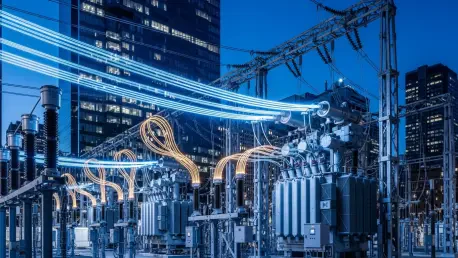

The massive shift toward a carbon-free future in the nation’s largest metropolis is reaching a critical inflection point as Consolidated Edison prepares to invest $29 billion into its infrastructure over the next five years. This capital expenditure represents a profound commitment to redesigning the electrical grid within New York City and its northern suburbs, ensuring the system can withstand the immense pressure of total electrification. Unlike previous modernization efforts that focused on incremental maintenance, this plan is a response to aggressive state and local mandates that are rapidly phasing out fossil fuels in favor of clean energy alternatives. By 2030, the utility intends to have established a more resilient network capable of supporting millions of residents who are increasingly dependent on electricity for their basic daily needs. This transformation is not merely about upgrading wires and poles; it is a fundamental reimagining of how energy flows through one of the most densely populated regions on the planet, preparing the local economy for a future where traditional combustion is no longer the primary driver of power.
Financial Architecture and the Drivers of Local Demand
The vast majority of this financial commitment, totaling approximately $27.2 billion, is allocated to the Consolidated Edison Company of New York, which serves the specific energy requirements of the five boroughs and Westchester County. A smaller yet vital portion of $2.3 billion is earmarked for Orange and Rockland Utilities to strengthen infrastructure in the western Hudson Valley. While many utilities across the United States are currently diverting resources to support the astronomical power needs of large-scale data centers and artificial intelligence hubs, Con Ed is charting a different course by focusing almost exclusively on local electrification. This strategy acknowledges that the primary growth in demand stems from residential and commercial shifts toward electric heating and transportation. Even as the utility manages fluctuating operational costs, such as the recent $29 million increase in fuel expenses, the primary focus remains on long-term infrastructure readiness. The goal is to build a foundation that can absorb the shocks of a changing energy market while maintaining the reliability that the metropolitan area requires to function effectively.
Market data indicates that the shift toward green technology is occurring at an accelerated pace, with new building projects in New York City now requesting up to 25% more power than similar developments did in the recent past. This spike is largely driven by the adoption of electric heat pumps and induction cooking systems as natural gas heating is phased out in new constructions. Furthermore, the adoption of electric vehicles is placing unprecedented stress on localized distribution networks. In the previous year alone, the utility added 20 MW of fast-charging capacity, representing a significant expansion of the support system needed for private and commercial transit. Con Ed is also aggressively incentivizing the electrification of more than 500 medium and heavy-duty trucks and buses, which require substantial power density to remain operational throughout the city. These specific demand drivers necessitate a proactive approach to grid management, ensuring that localized areas do not become bottlenecks as the public and private sectors continue to abandon internal combustion engines in favor of high-capacity battery systems and efficient electric motors.
Modernizing Infrastructure to Prevent Capacity Shortfalls
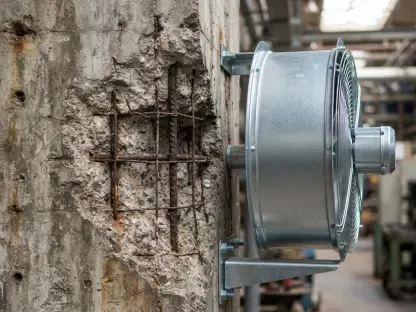
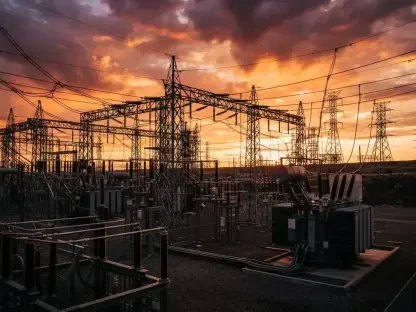
To maintain the integrity of the regional power supply, the utility has outlined a plan to construct 22 new substations by 2034, a move that directly addresses warnings from the New York Independent System Operator. Current reliability modeling suggests that New York City will face a capacity shortfall of approximately 125 MW by 2032, a gap that is projected to widen to 750 MW by 2036 if significant intervention does not occur. These physical upgrades are essential for preventing catastrophic failures during extreme weather events, such as multi-day heatwaves where temperatures exceed 95 degrees for extended periods. During such events, the negative reliability margin could reach nearly 1,680 MW, leaving the city vulnerable to rolling blackouts. By investing heavily in substation technology and distribution nodes now, the company aims to create a buffer that can handle peak loads during the most demanding seasons. This infrastructure expansion is the backbone of the utility’s strategy to bridge the gap between the retirement of older fossil-fuel-based generators and the full integration of renewable energy sources into the local power mix.
In addition to building new substations, the utility is prioritizing major transmission projects designed to move power across regional boundaries with greater efficiency and less loss. A cornerstone of this effort is the Propel NY Energy project, a 90-mile transmission line that will link Long Island’s considerable energy resources with mainland New York by 2030. This high-capacity pathway is critical for diversifying the energy supply and ensuring that surplus power generated in coastal areas can reach the urban core during times of peak demand. By creating these interconnections, the utility is effectively mitigating the risks associated with the decommissioning of traditional power plants that have historically served the city’s needs. These physical upgrades represent a shift from a centralized power model to a more flexible, interconnected network that can balance loads dynamically across different geographic zones. The success of this transition depends on the seamless integration of these new transmission lines with existing urban infrastructure, a complex engineering feat that requires sustained capital investment and precise coordination with state regulators and regional energy partners.
Regulatory Evolution and Future Renewable Strategies
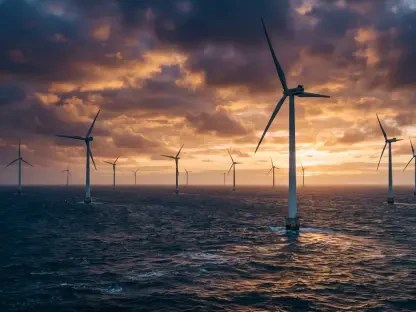
A significant component of the long-term strategic vision involves a major policy push to allow utilities to own and operate large-scale renewable energy generation facilities. Con Ed has proposed a framework to jointly procure and manage up to 1 GW of renewable power annually, a move that would represent a fundamental shift in the traditional utility business model. By owning these assets, the company could recover costs through the same capital investment mechanisms used for traditional infrastructure, potentially providing a more stable and predictable pricing structure for consumers. This proposal is currently under rigorous review by the New York Department of Public Service, which is expected to issue guidance on the matter in the near future. If approved, this change would allow the utility to take a more direct role in the production of the green energy it distributes, rather than simply acting as a middleman between independent power producers and the end user. This alignment of generation and distribution could streamline the transition to a carbon-free grid by ensuring that the timing of new renewable capacity matches the specific physical constraints and upgrades of the delivery network.
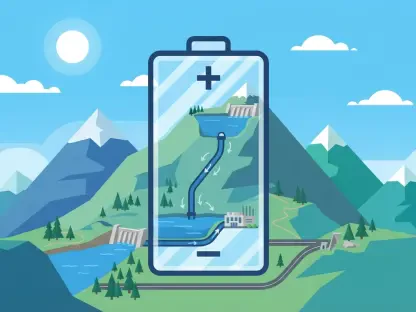
The conclusion of this massive $29 billion investment cycle marked a definitive step toward securing the energy future of one of the world’s most complex urban environments. Authorities emphasized that while the transition required substantial upfront costs and led to significant rate adjustments for consumers, the alternative of an outdated and unreliable grid was far more expensive in the long run. Actionable next steps for the region included the rapid deployment of localized battery storage systems to supplement the new substations and the continued expansion of the Propel NY transmission corridors to tap into offshore wind potential. Insights gained from this period demonstrated that the successful electrification of a major city depended not just on the volume of green energy produced, but on the physical capacity of the distribution network to deliver that power to every building and vehicle. Moving forward, the focus shifted toward refining demand-response programs and integrating smart-grid technologies that allowed for real-time energy management. This proactive approach ensured that the infrastructure remained resilient against the changing climate while supporting the ongoing economic vitality and sustainability of the New York metropolitan area for years to come.