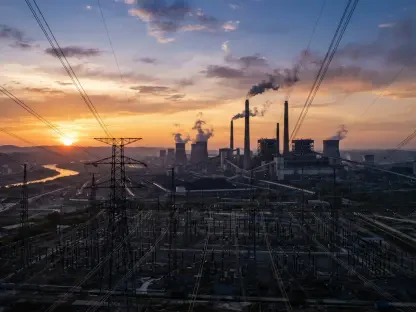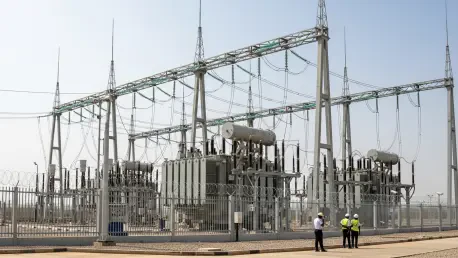

Nigeria’s national power grid currently operates under a state of perpetual vulnerability as deliberate acts of sabotage systematically drain the country’s economic potential and disrupt the lives of its citizens. The Transmission Company of Nigeria (TCN) has been forced to shift its primary focus from modernizing an aging electrical network to managing a high-stakes security crisis involving the destruction of critical transmission assets. This persistent wave of vandalism, ranging from the theft of minor components to the calculated toppling of massive steel towers, represents more than just a series of petty crimes; it is a direct assault on the nation’s stability. As the government attempts to stabilize the energy sector between 2026 and 2028, the scale of the damage has required an unprecedented level of coordination between technical engineers and national security agencies. The struggle to keep the lights on has become a complex battle against organized criminal networks that exploit the unmonitored landscape to profit from the destruction of essential public utilities.
The Financial Impact and Evolving Tactics of Criminal Groups
The financial implications of this ongoing destruction are staggering, with billions of naira being diverted from essential development projects to cover the rising costs of emergency repairs and replacement. Data tracking the period from 2026 to 2028 indicates that the federal government has been forced to allocate nearly N8.8 billion solely to restore infrastructure damaged by vandals, a sum that could have significantly improved grid capacity. Instead of expanding the reach of the national grid to underserved rural areas or upgrading existing substations with modern digital controls, the Transmission Company of Nigeria is trapped in a repetitive cycle of fixing the same lines multiple times. Each incident of a toppled tower or a stripped transformer requires not only expensive specialized components but also the mobilization of heavy machinery and labor in often remote locations. This drain on the national treasury creates a massive ripple effect that hinders industrial expansion.
The nature of attacks on Nigeria’s power infrastructure has undergone a disturbing transformation from opportunistic metal theft into a more sophisticated and violent form of organized crime. Recent incidents have demonstrated that perpetrators are no longer just looking for scrap aluminum or copper but are actively targeting the grid’s strategic vulnerabilities to cause maximum disruption. In several high-profile raids occurring between 2026 and 2028, armed groups stormed substations, held staff at gunpoint, and utilized technical knowledge to disable transformers and sophisticated control systems. These tactical strikes suggest a level of coordination and intent that goes beyond simple economic desperation, pointing toward a more sinister attempt to undermine national security through energy blackouts. The shift toward using heavy weaponry to topple transmission towers indicates that the state is facing a specialized threat that requires more than just standard law enforcement responses.
Community Guardianship and Localized Security Initiatives
Despite the national scope of the crisis, certain regions have demonstrated that aggressive community engagement and local oversight can significantly reduce the frequency of infrastructure attacks. In the industrial corridors of Lagos and Ogun states, vandalism rates saw a sharp decline after local residents were integrated into a broader strategy of community guardianship. By educating citizens on the direct correlation between the health of local power assets and their own economic well-being, the government successfully transformed host communities into an effective first line of defense. When residents understand that a damaged transformer in their neighborhood means lost revenue for local businesses and decreased security at night, they are far more likely to report suspicious activity. This model of social responsibility has proven that local people are often better positioned to monitor remote installations than centralized security forces stationed in distant urban centers.
The success of these localized initiatives has been mirrored in states like Ebonyi, where rural vigilante groups have played a pivotal role in apprehending individuals attempting to dismantle tower components. Because Nigeria’s geographic landscape is vast and often rugged, it is physically impossible for the government to station armed guards at every point along the thousands of miles of transmission lines. Building a robust social contract with the people living in the vicinity of these installations has therefore emerged as the most practical method for securing the grid in isolated areas. This approach also involves providing incentives for whistleblowers and ensuring that local leaders are actively involved in the security planning process for any new energy projects. As these community-led efforts continue to expand between 2026 and 2028, they offer a blueprint for protecting other types of critical infrastructure such as oil pipelines and remote telecommunications towers or vital lines.
Strengthening Security Standards and Institutional Response
To combat the increasing frequency of organized raids, the Federal Ministry of Power has moved toward an integrated security framework by establishing a specialized Joint Task Force. This unit, which consists of elite personnel from the Nigeria Police Force and other security agencies, is dedicated exclusively to the protection of power assets and the pursuit of known sabotage networks. This transition represents a significant departure from general policing, focusing instead on high-tech surveillance, rapid response capabilities, and intelligence-led operations designed to preempt attacks before they occur. The Nigeria Security and Civil Defence Corps has also intensified its focus on the energy sector, working to harmonize its efforts with the private companies that manage local distribution networks. By creating a unified command structure, the government aims to close the gaps in communication that previously allowed vandals to operate with relative impunity across state lines today.
Beyond the threat of criminal intent, the Transmission Company of Nigeria is also addressing the passive sabotage caused by the widespread illegal encroachment on high-tension power line corridors. In states such as Enugu and Ogun, authorities have been forced to carry out extensive removal operations of permanent structures built within the mandatory Right-of-Way zones. These illegal settlements not only pose a grave danger to the people living beneath the lines but also prevent maintenance crews from accessing critical equipment during emergencies or scheduled upgrades. Ensuring the long-term stability of the grid requires the strict enforcement of safety standards and the clear demarcation of these protected zones to prevent future encroachment. The combination of professionalized security patrols and rigorous land-use regulation is essential for creating a modern, resilient electrical network. As the government continues to refine these institutional safeguards between 2026 and 2028, the focus remains on building a culture of safety.
Actionable Paths Toward Enhanced Grid Resilience
The path toward a secure and reliable power grid necessitated a fundamental shift in how Nigeria managed its critical infrastructure through the integration of technology and local participation. Authorities recognized that traditional security methods were insufficient for the vast scale of the national network and therefore prioritized the deployment of remote monitoring systems and drone surveillance to provide real-time data on asset integrity. This technological layer allowed for the rapid identification of tampering and significantly reduced the response time for security forces to intervene in ongoing sabotage attempts. By investing in tamper-proof hardware and underground cabling where feasible, the state reduced the vulnerability of the system to low-level scavenging. Furthermore, the establishment of specialized courts to fast-track the prosecution of vandals sent a clear signal that crimes against the power sector were being treated with the utmost severity to protect national interests for the long term.
Strategic investments in decentralized energy solutions and localized microgrids provided an additional layer of security by reducing the national dependence on a single, vulnerable transmission backbone. By encouraging the development of regional power hubs, the government minimized the impact of a single act of sabotage, ensuring that a failure in one area did not automatically lead to a total nationwide blackout. Strengthening the legislative framework to include mandatory community benefits for regions that successfully protected their local assets created a powerful economic incentive for continued guardianship. These measures were complemented by an aggressive public awareness campaign that shifted the perception of power infrastructure from distant state property to a shared national resource. As these initiatives took hold, the focus transitioned toward the long-term sustainability of the grid, ensuring that future expansions were built with inherent security features to maintain grid stability.