
The massive scale of modern wind energy projects has pushed conventional maritime engineering to its absolute limits, necessitating a radical shift in how heavy-lift vessels are designed and deployed. As offshore wind farms migrate further into deeper waters and harsher environments, the industry is no longer relying on repurposed oil and gas ships but is instead commissioning highly specialized assets. These next-generation vessels are equipped with massive telescopic cranes and dynamic positioning systems that allow for precision placement of components weighing thousands of tons. This evolution represents a critical pivot point for the global energy transition, where the bottlenecks are no longer the availability of wind or the efficiency of turbines, but rather the logistical capacity to transport and install these gargantuan structures. Without a robust fleet of purpose-built installation ships, the ambitious decarbonization targets set by international regulators would remain physically impossible to achieve today.
Maritime Engineering: Robust Solutions for Turbine Installation
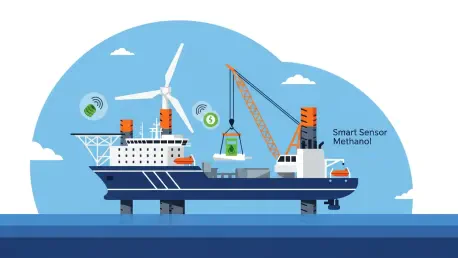
Modern Wind Turbine Installation Vessels are being built with crane capacities exceeding 3,000 tons to handle the sheer height and weight of the latest 15-megawatt and 20-megawatt turbines. These ships utilize sophisticated jack-up mechanisms that can lift the entire hull out of the water, providing a stable platform regardless of seabed conditions or tidal movements. This stability is essential for the installation of turbine blades that can exceed 115 meters in length, where even a slight gust of wind can create dangerous oscillations during the assembly process. Furthermore, the integration of automated blade-handling systems and smart sensors reduces the time spent on each turbine, allowing operators to capitalize on narrow weather windows that were previously unusable. By streamlining the installation cycle, these vessels are effectively lowering the levelized cost of energy for offshore wind, making it competitive with traditional fossil fuels in almost every coastal market worldwide.
The logistical complexity of transporting these components from manufacturing hubs to the open sea has led to the development of feeder barge systems that allow the main installation vessel to remain on-site. Instead of returning to port for each load, the installation vessel stays at the farm location while specialized transport ships ferry nacelles, towers, and blades back and forth. This strategy maximizes the high-day-rate utilization of the installation vessel and minimizes the downtime associated with transit. Companies are investing heavily in these integrated logistics chains to ensure that projects do not stall during the peak construction season. Moreover, the latest vessels are incorporating dual-fuel engines that run on green methanol or ammonia, significantly reducing the carbon footprint of the construction phase itself. This holistic approach ensures that the environmental benefits of offshore wind are not undermined by the emissions generated during the long and intensive installation process.
Operational Strategy: Support Fleets and Strategic Deployment
As shallow-water sites become increasingly crowded, the focus has shifted toward floating offshore wind technology, which requires an entirely different category of support vessels. These projects rely on semi-submersible foundations that are anchored to the seafloor using sophisticated mooring systems rather than rigid piles. Specialized anchor-handling tug supply vessels with extreme bollard pull capacities are now essential for positioning these massive floating structures in deep-ocean environments. Additionally, the maintenance of these farms is handled by Service Operation Vessels that act as mobile hotels for technicians. These ships feature walk-to-work gangways with motion-compensation technology to allow workers to bridge the gap between the ship and the turbine safely, even in significant wave heights. By providing a stable living environment and on-board spare parts storage, these vessels allow maintenance teams to stay in the field for weeks, reducing the travel time and costs associated with daily commuting.
Strategic stakeholders prioritized the standardization of vessel designs and components to avoid the inefficiencies of bespoke solutions for every new project. They successfully implemented long-term charter agreements that provided shipbuilders with the financial certainty needed to invest in larger, more capable hulls. Regulators also played a crucial role by simplifying the permitting process for specialized vessels to operate across different international jurisdictions, ensuring that the fleet could be deployed where it was needed most. Training programs were expanded to prepare a new generation of mariners and technicians for the specific challenges of offshore wind operations. By focusing on fleet flexibility and alternative fuels, the industry minimized the risk of stranded assets while simultaneously lowering operational emissions. Ultimately, the move toward a more integrated and technologically advanced maritime strategy proved that the logistical hurdles of the deep ocean could be overcome through engineering innovation.