
As record-breaking temperatures sweep across the European continent, the infrastructure once heralded as the primary solution to climate change is finding itself increasingly vulnerable to the extreme conditions it was engineered to withstand. While common logic suggests that blistering sunshine would be a boon for solar output, the reality on the ground in nations like France and the United Kingdom tells a far more complicated story of technical failure and economic strain. The very heat domes that trigger high energy demand for cooling systems simultaneously degrade the efficiency of photovoltaic cells and leave wind turbines standing idle in stagnant air. This environmental irony has exposed a massive rift between the rapid deployment of renewable generation and the lagging development of a resilient grid capable of managing such volatile spikes. Consequently, the transition to green energy is currently facing a period of intense scrutiny, as the physical and economic architectures supporting these systems struggle to adapt to a climate that is shifting faster than the infrastructure can be modernized or reinforced.
Economic Paradoxes: Market Inefficiency and Price Volatility
One of the most counterintuitive outcomes of recent heatwaves has been the rise of negative electricity pricing across the Iberian Peninsula, where the supply of solar power has frequently outstripped the actual demand from consumers. During mid-day peaks in Spain and Portugal, energy prices have plunged below zero for record durations, a phenomenon driven by the fact that industrial activity often slows down during periods of intense heat and national holidays. This surplus of energy does not typically translate into lower monthly bills for residential households due to the way utility contracts are structured; instead, it signals a systemic failure in market flexibility. Renewable generators are sometimes forced to pay the grid to take their electricity just to keep their systems operational, highlighting a fundamental imbalance between production and consumption. This pricing instability discourages long-term investment in new projects because the potential for profit is eroded by a market that cannot effectively absorb the sheer volume of power generated during these intense summer months.
In the United Kingdom, the economic strain is further exacerbated by the high costs associated with curtailment, where the grid operator pays renewable energy producers to stop generating power to prevent system overloads. While the sun and wind are essentially free resources, the mismanagement of their output has led to an estimated expenditure of over £1.47 billion on such balancing actions, a figure that continues to climb as the grid struggles to integrate new capacity. To maintain stability, the National Grid often finds itself in the absurd position of paying wind farms to turn off their turbines while simultaneously paying fossil-fuel-burning gas plants to stay on standby for when the sun sets or the wind dies down. This reliance on carbon-intensive backup systems during periods of extreme renewable surplus reveals a deep-seated inefficiency in current energy policies. Without a more sophisticated method of re-routing or utilizing this excess power, the financial burden of these interventions is ultimately passed on to the taxpayer, stalling the promise of a low-cost, green energy future for the average citizen.
Grid Bottlenecks: Transmission Constraints and Storage Needs
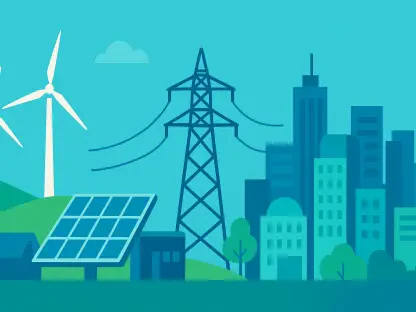
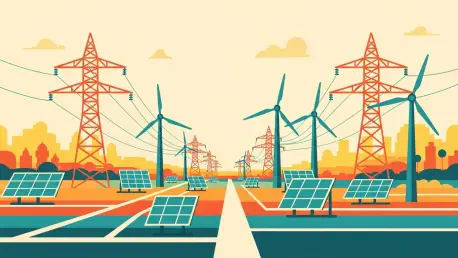
The persistent waste of renewable energy is primarily a symptom of Europe’s aging power grid, which was largely designed around a 20th-century model of centralized fossil fuel plants located near major cities. Modern green energy production is fundamentally decentralized, with massive wind farms situated in the gusty North Sea and solar arrays spanning rural southern provinces, far from the urban centers where demand is highest. This geographic mismatch creates severe bottlenecks, as the existing transmission lines lack the necessary capacity to ferry power across long distances during peak production hours. When heatwaves strike and air conditioning units across the continent are switched on, the grid often cannot handle the load distribution required to move green electricity from where it is produced to where it is needed most. This physical limitation effectively strands gigawatts of clean energy in remote regions, forcing a reliance on local, often more polluting, energy sources to meet the immediate cooling needs of densely populated metropolitan areas.
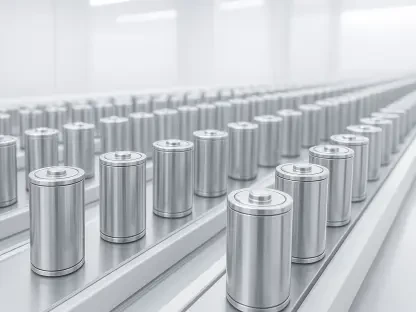
To bridge the gap between production and consumption, energy experts are advocating for an aggressive expansion of Battery Energy Storage Systems to capture surplus energy for use during periods of low generation. While Europe has made significant strides in deploying storage technology, the current installed capacity remains a small fraction of the 750 GWh required to meet the ambitious climate targets set for the period from 2026 to 2030. Countries such as Germany and Italy have become leaders in the deployment of large-scale battery projects, yet the pace of renewable installations continues to far outstrip the infrastructure needed to stabilize that power. Without a massive and immediate investment in storage, the volatility of the weather will continue to dictate the reliability of the grid, leaving the continent vulnerable to price spikes and potential blackouts during the most extreme summer months. The transition must therefore shift focus from merely adding more generation to building the robust storage and transmission backbone that allows the entire system to function as a cohesive and resilient unit.
Physical Limitations: Production Decline and Infrastructure Resilience
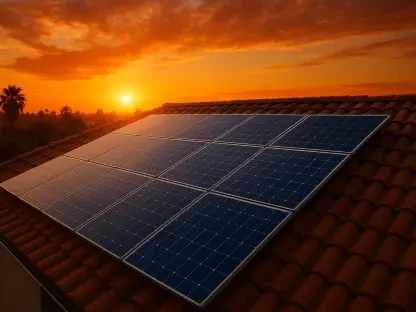
Beyond the economic and logistical hurdles, the physical laws of thermodynamics impose strict limits on energy production during periods of extreme heat. Solar panels, which are often mistakenly thought to perform better in hotter weather, actually experience a notable decline in efficiency once ambient temperatures rise above 77 degrees Fahrenheit. The semi-conductive materials within the cells become less efficient at converting sunlight into electricity as they heat up, meaning that the record-breaking heatwaves currently plaguing southern Europe are actually reducing the net output of the continent’s largest solar farms. Simultaneously, the atmospheric conditions that create these heat domes often result in periods of extreme air stagnation, leaving wind turbines entirely motionless exactly when demand is highest. This wind drought combined with solar degradation creates a dangerous shortfall in renewable supply, forcing grid operators to look toward alternative, often more expensive, energy sources to keep the lights on and the cooling systems running during the peak of the afternoon heat.
The strain extended to other sectors as well, where rising river temperatures severely impacted both nuclear and hydroelectric power generation across the region. Nuclear reactors in France were forced to curtail their output because the water used for cooling had become too warm to be safely discharged back into the ecosystem without damaging local biodiversity. Hydroelectric dams also saw diminished capacity as prolonged droughts reduced water levels in key reservoirs, highlighting how vulnerable traditional steady power sources were to the same climatic shifts. In response to these multi-faceted challenges, European policymakers shifted their focus toward developing heat-resistant solar technologies and implementing more sophisticated cross-border energy trading agreements. These efforts aimed to ensure that surplus energy in one region could be efficiently shared with neighbors facing local production shortfalls. By prioritizing the modernization of grid interconnectors and investing in diverse long-duration storage solutions, the continent moved toward a more integrated strategy. This proactive approach sought to transform the current vulnerabilities into a more resilient framework capable of sustaining the green transition through increasingly volatile summers.