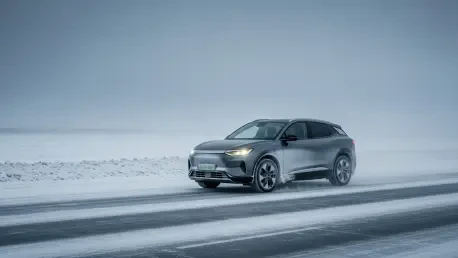

The silent hum of an electric motor offers a futuristic sense of reliability until the thermometer outside the window drops into the single digits and the projected mileage on the dashboard begins to vanish at an alarming rate. While internal combustion engines generate heat as a natural byproduct of combustion, electric vehicles must expend significant energy just to keep the cabin and battery pack warm, leading to a staggering 39% drop in driving range when temperatures hit 20°F. This thermal challenge transforms a standard 250-mile commute into a 150-mile gamble, forcing drivers to confront the physical limitations of lithium-ion technology. As the automotive industry pushes for total electrification, the reality of winter driving remains one of the most significant hurdles for mainstream adoption.
The Frozen Reality: Modern Electric Mobility Under Stress
The transition to sustainable transport relies heavily on consumer confidence, yet the “range anxiety” often dismissed by enthusiasts has a measurable basis in reality. Understanding how ambient temperature dictates battery chemistry is essential for any prospective buyer, especially in regions where sub-zero temperatures are common. This AAA study serves as a critical reality check, connecting the theoretical benefits of EVs with the practical, real-world challenges of maintaining efficiency when the environment is working against the vehicle’s power source.
Physical resistance within the battery cells increases as the cold sets in, slowing down the chemical reactions required to discharge and recharge power. This inherent limitation means that even if a driver keeps the heater off, the vehicle is fundamentally less efficient. Consequently, the promise of a seamless transition to green energy requires a nuanced understanding of local geography and seasonal shifts.
Quantifying the Impact: Extreme Temperatures on Performance
The performance gap between mild and extreme weather is stark, with freezing conditions proving far more detrimental than summer heat. At 20°F, EVs suffer a 35.6% decline in efficiency, whereas high heat at 95°F results in a much more manageable 10.4% reduction. Hybrids are not immune to these shifts, experiencing a 22.8% drop in fuel economy during cold snaps. These statistics highlight a clear hierarchy of environmental vulnerability, showing that while EVs offer superior efficiency in temperate climates, their lead narrows significantly as the mercury drops.
Thermal management systems must work overtime in both extremes, but the energy required to thaw a frozen battery pack far exceeds the energy needed to cool one. In the summer, air conditioning consumes power, but it does not cripple the vehicle’s range with the same intensity seen in January. This disparity suggests that for those in northern climates, the efficiency delta between gasoline and electricity is more volatile than many marketing brochures indicate.
The Hidden Financial Toll: Cold Weather Charging
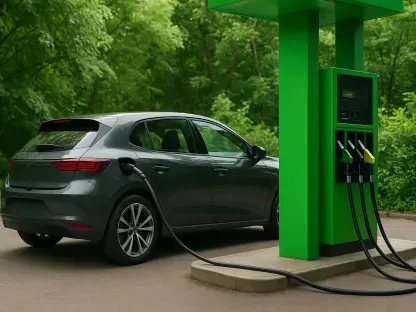
Beyond physical range, temperature extremes introduce a complex economic dynamic based on how a vehicle is fueled. AAA’s research indicates that while home-charged EVs remain cheaper to operate than hybrids in the cold—saving drivers roughly $36 per 1,000 miles—the math changes entirely when using public infrastructure. Relying on public chargers in freezing weather can cost an EV driver $86 more per 1,000 miles than a hybrid owner pays for gasoline.
This cost disparity, combined with reliability concerns, has driven 35% of U.S. adults to favor hybrids over full EVs as a more dependable middle ground. Public charging stations often implement higher demand pricing during peak winter months, and cold batteries charge at a much slower rate. This means drivers spend more time at a station while paying a premium for the energy, eroding the traditional cost advantage that electricity holds over fossil fuels.
Practical Strategies: Maintaining Efficiency in Harsh Climates
Drivers can mitigate seasonal range loss by adopting specific maintenance and operating habits tailored to temperature extremes. Preconditioning the vehicle’s cabin while it is still connected to a charger allows the car to use grid power for heating rather than depleting the battery once on the road. Additionally, maintaining precise tire pressure is vital, as cold air causes pressure to drop, increasing rolling resistance and further draining energy.
By avoiding excessive speeds and utilizing seat heaters instead of full-cabin climate control, drivers can claw back a significant portion of the range lost to the cold. Moving forward, the focus shifted toward the adoption of heat pump technology and improved battery chemistries. These innovations sought to stabilize performance, ensuring that future infrastructure investments accounted for the thermal realities of the planet. Drivers who prioritized these proactive measures found that they navigated the transition to electric mobility with far greater predictability and lower overall costs.