
The British household appliance landscape is currently undergoing a radical transformation as the government mandates a transition away from energy-intensive drying methods toward sophisticated heat pump technology. This initiative represents a central pillar of the broader national strategy to reduce domestic energy consumption and fulfill net-zero carbon obligations. By establishing a more rigorous framework for energy performance, the nation is effectively reshaping how millions of households manage their daily chores. This transition is not merely a technical swap of hardware but a significant cultural shift in how consumers value energy efficiency against traditional convenience.
The Transformation of the British Laundry Appliance Sector
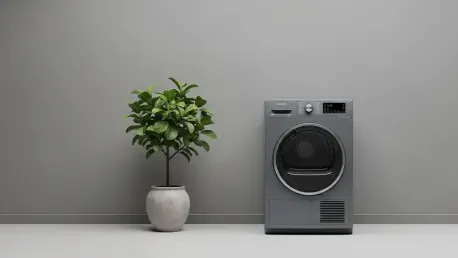
The United Kingdom market is moving away from the era of high-heat vented and condenser units. Historically, these appliances dominated the landscape due to their low purchase price and rapid performance. However, the introduction of heat pump technology has redefined the industry standard by replacing raw heat with energy-recycling systems. Rather than venting hot air outside or condensing it through high-energy cooling, these newer systems utilize a closed-loop exchange that preserves and reuses thermal energy throughout the cycle.
Key market players are now prioritizing these systems to align with national environmental targets. This industry-wide pivot focuses on moving from high-heat intensity, which often damages delicate fabrics, to sophisticated moisture-sensing and low-temperature drying. This shift is essential for achieving long-term sustainability goals within the domestic infrastructure, ensuring that household appliances contribute to a lower national carbon footprint.
Market Dynamics and the Drive Toward Efficiency
Evolving Consumer Behaviors and the Adoption of Sustainable Technology
Recent market data suggests a complex consumer reaction to these changes, characterized by a notable surge in preemptive buying of traditional units. Many households rushed to secure familiar condenser models before the new regulations fully limited their availability. This behavior indicates a lingering preference for rapid drying times and lower upfront costs despite the long-term financial burden of higher utility bills. However, a growing segment of the population is beginning to prioritize sustainable technology, recognizing the value of lower operating costs in an era of volatile energy prices.
Lessons from Northern Ireland and the broader European Union indicate that early adoption trends often face initial resistance followed by broad acceptance once the benefits become clear. As heat pump innovations continue to reshape laundry routines, the initial skepticism regarding longer cycle times is being replaced by an appreciation for better garment care. The transition has forced a rethink of household scheduling, with many families moving toward automated, off-peak drying cycles.
Analyzing Growth Projections and Economic Performance Indicators
Financial forecasts for heat pump models indicate substantial benefits for UK households over the coming decades. While the initial investment remains higher than that of traditional machines, the Energy Efficiency Index (EEI) metrics demonstrate a superior return on investment. Modern heat pump dryers typically operate with an EEI well below the new 85 threshold, making them significantly cheaper to run on a daily basis.
Projected energy savings suggest that an average household could see a return on their investment within the first few years of operation. Over a 20-year appliance lifespan, the total savings on utility bills could potentially reach hundreds of pounds per unit. These economic indicators are driving the growth of the green appliance sector as traditional models are phased out of the retail supply chain.
Navigating the Practical Obstacles of Heat Pump Adoption
Practical challenges remain, particularly regarding the performance drop-off in unheated spaces like garages or sheds. Since heat pump technology relies on extracting heat from the surrounding environment, efficiency often plummets when ambient temperatures fall below a certain level. This environmental dependency requires many homeowners to reconsider the placement of their appliances or invest in better insulation for utility rooms to maintain optimal performance during winter months.
Another hurdle is the extended duration of drying cycles, which can be double the length of traditional vented machines. Manufacturers are working on strategic solutions to minimize this gap, but consumer education is equally important. Balancing the higher purchase price with long-term utility reductions remains a primary focus for retailers attempting to overcome apprehension regarding technological complexity and mechanical reliability.
Deciphering the New Regulatory Landscape for Household Appliances
The new regulatory framework centers on the Minimum Energy Performance Standard (MEPS), which effectively bans the sale of appliances that fail to meet strict efficiency criteria. By setting the EEI 85 threshold, the government has signaled the end of the line for most standalone vented dryers. This phased approach allows manufacturing supply chains to adjust without causing immediate market shortages, ensuring that retailers can clear existing stock while transitioning to greener alternatives.
Compliance with these standards is part of a natural lifespan approach to appliance replacement. Existing units in homes are not yet obsolete, and there is no legal requirement for immediate disposal. This policy ensures that the transition is gradual and follows the natural replacement cycle of domestic machinery. This alignment with international environmental frameworks positions the UK as a leader in household energy efficiency standards.
The Future Outlook for Domestic Drying Solutions
Looking ahead, innovations in heat pump efficiency are expected to focus on reducing cycle times through improved compressor technology. Smart home integration will play a vital role, allowing appliances to communicate with the national grid to operate during periods of high renewable energy availability. These grid-responsive systems will further lower costs for consumers and reduce the strain on the energy infrastructure during peak hours.
As the second-hand market for traditional dryers shrinks, consumer demand will naturally gravitate toward high-efficiency models. Global economic conditions will continue to influence the affordability of these green home upgrades, but the increasing scale of production is expected to drive down initial costs. The long-term trajectory suggests that the heat pump will soon become the standard fixture in every British home.
Final Verdict on the UK’s Readiness for a Greener Future
The transition toward high-efficiency drying systems proved to be an economic and environmental necessity. Policymakers successfully balanced the need for immediate energy reduction with the practicalities of consumer adoption. This shift encouraged manufacturers to invest in localized solutions for the unique British climate, particularly for appliances kept in colder utility spaces. The initiative effectively moved the national infrastructure away from wasteful energy practices.
Future considerations were addressed by fostering a market that valued durability and efficiency over short-term savings. Recommendations for consumers focused on the strategic placement of appliances and the utilization of smart scheduling to maximize the benefits of the new technology. Ultimately, the industry’s trajectory toward sustainable domestic infrastructure provided a clear path for balancing immediate household convenience with the urgent demands of long-term climate goals.