
The silent transition from a failing utility grid to a local battery reserve happens so quickly that many homeowners only realize the entire neighborhood has gone dark by glancing out of their front window at the streetlights. This modern reality has fundamentally changed the domestic experience during weather-related emergencies. Instead of a frantic search for flashlights and the smell of gasoline from portable generators, residents now enjoy a seamless continuation of daily life, where the refrigerator keeps running and the lights never flicker.
As climate volatility increases, the traditional reliance on a centralized energy infrastructure is becoming a calculated risk that many are no longer willing to take. The adoption of advanced lithium-ion storage signifies a move away from passive consumption toward active management of personal safety and comfort. The ability to maintain a household during prolonged outages caused by severe weather is now a tangible goal for many American families.
Beyond the Blackout: Redefining Residential Energy Resilience
Homeowners are increasingly prioritizing psychological security alongside physical protection. The fear of a multi-day outage is replaced by a sense of preparedness that allows a family to remain in their home rather than seeking temporary shelter. This shift is deeply personal, as the quiet efficiency of a wall-mounted battery eliminates the mechanical roar and maintenance requirements associated with legacy backup systems.
The stark contrast between a dark neighborhood and a home powered by advanced storage highlights a new divide in residential living. While neighbors might struggle with spoiled food and loss of connectivity, those with integrated storage maintain their standard of living without interruption. The “silent hum” of a battery backup is rapidly replacing the noisy, fuel-dependent portable generators of the past.
The Fragility of the American Power Grid and Rising Utility Costs
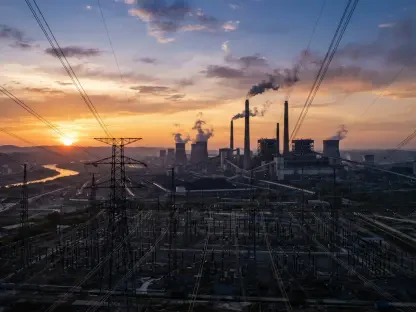
Recent events like Hurricane Helene have exposed the deep-seated vulnerabilities of an aging national grid that struggles to keep pace with modern demand and environmental stress. Utility companies are often forced to pass the costs of infrastructure repairs and peak-load management onto consumers, leading to a steady climb in monthly bills. This economic pressure is driving a mass movement toward decentralized power solutions that protect against both natural disasters and fluctuating market prices.
The financial burden of peak-time electricity rates is another catalyst for this transition. Traditional utility models are failing to provide affordable energy during periods of high demand, making on-site storage an attractive economic defense. By storing energy when it is cheap or when the sun is shining, homeowners can avoid the highest rates and reduce their overall reliance on a failing system.
Engineering Independence with the Tesla Powerwall 3
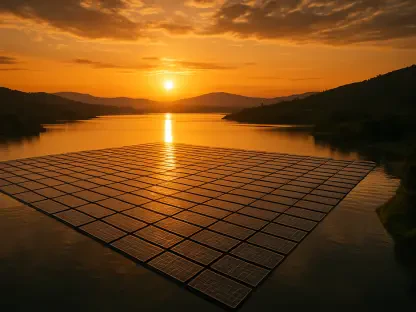
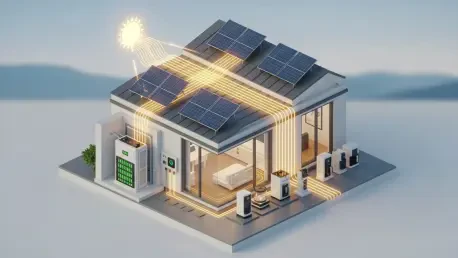
The technical sophistication of the Powerwall 3 allows for an instantaneous response to voltage drops, ensuring that sensitive electronics are never interrupted. For households with high-draw appliances like air conditioners or electric vehicle chargers, dual-battery configurations offer the necessary capacity to maintain a standard lifestyle for several days. The integration of solar arrays creates a self-sustaining cycle where the sun provides the fuel and the battery ensures that fuel is available even when the sky is dark.
Geographic factors and solar exposure play a significant role in determining how long a household can operate entirely off-grid. In regions with high solar irradiance, a well-sized system can theoretically provide indefinite power, provided the consumption does not exceed the daily recharge rate. This engineering feat transforms the home from a consumer of grid services into a self-contained energy micro-utility.
Real-World Accounts of Grid Autonomy and Financial Relief
In North Carolina, residents reported maintaining full household functionality throughout nine-day blackouts, a feat that was once impossible without massive industrial generators. Similarly, California homeowners have successfully bypassed the grid for months at a time by leveraging high solar exposure and intelligent storage management. These users often cite the intuitive nature of mobile energy apps, which provide real-time data on consumption and storage levels, as a key factor in their overall satisfaction.
Beyond the immediate tactical benefits, energy security has begun to impact property values and long-term household planning. Real estate markets are increasingly recognizing the value of homes that can operate independently of a fragile grid. This “peace of mind” factor is a significant driver for homeowners who view energy storage as a permanent upgrade to their family’s security and financial stability.
Navigating the Path to Energy Self-Sufficiency
Prospective buyers can use digital marketplaces like EnergySage to compare professional installation quotes and evaluate the specific needs of their property. Understanding local variables, such as roof orientation and average sunlight hours, is crucial for determining whether a single or multi-battery setup is most appropriate. Strategic steps for comparing quotes and understanding local installation variables ensure that the investment is tailored to the home’s unique energy profile.
Maximizing federal tax credits and state incentives remains a primary strategy for offsetting the initial hardware costs, making the transition more accessible. A clear framework for determining if a home is a candidate for expanded storage depends largely on historical consumption patterns and the desired length of autonomy. These tools bridge the gap between curiosity and the actual deployment of clean energy technology.
The journey toward energy independence proved to be a transformative investment for those who prioritized long-term resilience over short-term savings. Homeowners who evaluated their specific consumption patterns discovered that the right hardware configuration provided a defense against both environmental and economic instability. By embracing decentralized storage, these residents secured their properties against future grid failures while simultaneously positioning themselves for a more sustainable and predictable financial future.