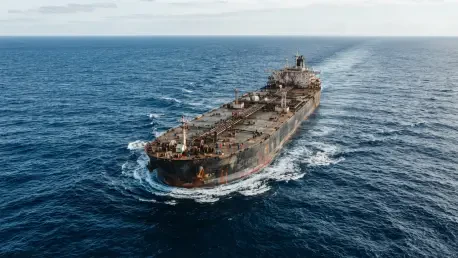

Brent crude oil prices are projected to reach an average of $97.44 per barrel in 2026, marking a significant inflationary peak driven by maritime shipping attacks. This surge represents the culmination of a volatile period where geopolitical instability across the Middle East and the Black Sea severely hampered traditional energy supply chains. As global inventories continued to dwindle throughout the current year, the pressure on international markets became increasingly palpable, pushing West Texas Intermediate to an average of $88.29. The persistent upward revision of price forecasts highlights a landscape where energy security is no longer guaranteed by traditional production quotas. Instead, the current economic environment is dictated by the physical safety of maritime corridors and the ability of nations to mitigate risks in high-conflict zones. This complex interplay of military activity and resource scarcity has forced a fundamental shift in how global energy agencies assess long-term stability in a fragmented world.
Impact of Geopolitical Friction on Global Supplies
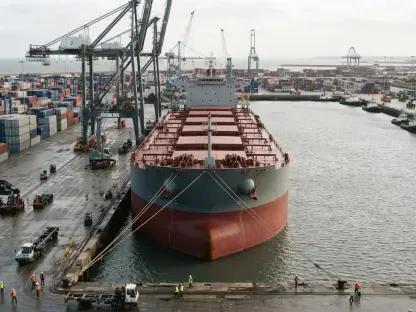
The intensification of regional conflicts has created a ripple effect across the energy sector, leading to a significant contraction of 4.6 million barrels per day in global output earlier this year. This decline was primarily centered in regions where infrastructure remains vulnerable to direct kinetic actions and cyber disruptions. Consequently, October witnessed price levels that, when adjusted for inflation, rivaled the historic peaks of the early 2020s. These elevated costs are not merely a result of speculative trading but reflect the high physical costs of rerouting tankers and securing insurance for vessels navigating hazardous waters. As shipping companies avoided the Red Sea, the logistical overhead of utilizing alternative routes around the Cape of Good Hope added considerable premiums to every delivered barrel. This logistical strain has effectively capped the potential for price relief in the short term, leaving consumers and industrial players to grapple with the reality of sustained high energy expenses as long as transit routes remain contested.
Beyond the immediate logistics of shipping, the depletion of global oil inventories has reached a critical juncture that limits the market’s ability to absorb unexpected shocks. For several months, the draw on stockpiles exceeded the rate of replenishment, leaving little room for error as geopolitical tensions simmered in the Black Sea and the Persian Gulf. The vulnerability of the Strait of Hormuz remains a central concern for energy analysts, as any substantial closure or threat to this narrow passage would likely send shockwaves through the global economy. Current data suggests that the market is operating with the thinnest margins seen in years, making the price of crude highly sensitive to every diplomatic failure or military escalation. This fragility underscores the urgent need for a more resilient energy framework that can withstand the pressures of modern warfare and the unpredictability of regional power struggles. Until a sustainable equilibrium is established between demand and the current disrupted supply, volatility will continue to define the market.
Strategic Production Shifts and Stabilization Efforts
Looking toward the upcoming cycle, there are significant indicators that a shift toward production surplus may finally take hold as global output is forecasted to surge by 6.7 million barrels per day in 2027. This anticipated recovery depends largely on the restoration of production levels in the Middle East to their pre-conflict benchmarks and the successful deployment of new infrastructure projects. For instance, the United Arab Emirates has prioritized expanding its pipeline capacity to bypass hazardous maritime zones, while Oman is refining its ship-to-ship transfer operations to enhance delivery flexibility. These strategic investments are designed to decouple energy exports from the most volatile geography, providing a much-needed buffer against future regional skirmishes. Furthermore, the diversification of export routes signifies a broader trend where energy-producing nations are investing in long-term resilience rather than just immediate volume. If these projects proceed without technical delays, they will form the backbone of a more stable supply chain that can resist the influence of localized conflicts.
The anticipated stabilization of the market was further supported by the United States reaching a domestic production record of 14.3 million barrels per day, which acted as a critical counterweight to international shortages. As global inventories began to rebuild by an average of 3.5 million barrels per day during the early transition phases, the pressure on Brent crude prices gradually eased, leading to an expected moderation toward $77 per barrel. Policymakers and energy firms recognized that the high-cost environment of 2026 served as a catalyst for accelerating alternative transit infrastructure and enhancing domestic resource independence. These developments allowed the global energy landscape to move toward a more balanced state where supply once again met demand without the extreme premiums seen during the peak of maritime disruptions. The focus shifted from crisis management to the implementation of redundant systems and strategic reserves that could better insulate the economy from future shocks. By prioritizing infrastructure integrity and production resilience, stakeholders successfully navigated a period of intense volatility to secure a more predictable energy future.