
Section 65 of the Electricity Act of 2003 requires states to pay subsidies in advance, yet delayed payments frequently disrupt the cash flow of power utilities. This fundamental financial friction underscores the broader challenges facing India’s electricity distribution companies, known as DISCOMs, which currently act as the primary gatekeepers of the nation’s ambitious energy transition. While global attention remains fixed on the rapid construction of massive solar parks and advancements in green hydrogen, the success of these upstream projects relies entirely on the downstream health of the utilities that must purchase and deliver that energy. DISCOMs are the essential conduits for modernizing the national grid, integrating decentralized assets like rooftop solar panels, and supporting the nationwide rollout of electric vehicle charging infrastructure. However, systemic weaknesses in governance and persistent revenue gaps threaten to stall these efforts, potentially turning the distribution sector into a permanent bottleneck.
Rationalizing Subsidies and Agricultural Segregation
The current pricing structure within the Indian power sector relies heavily on a complex cross-subsidy mechanism that places a significant financial burden on industrial and commercial consumers. By charging these sectors higher tariffs to offset the cost of providing nearly free or heavily discounted power to agricultural and low-income domestic users, the system creates an economic distortion that hampers industrial competitiveness. In the current fiscal climate of 2026, the cumulative energy subsidy bill across various states has reached staggering levels, often consuming a massive portion of the total state budget. This fiscal drain makes it nearly impossible for DISCOMs to fund essential maintenance or invest in the advanced grid technologies required for a green future. Moving toward a more transparent system requires that state governments strictly adhere to their legal obligations to fund these subsidies through direct budgetary transfers rather than leaving the utilities to absorb the shortfalls.
An innovative strategy gaining significant momentum involves the institutional demerging of agricultural power distribution from the general operations of the utilities. States like Maharashtra, Haryana, and Telangana have pioneered this approach by creating dedicated entities such as MSEB Solar Agro Power Ltd to focus exclusively on rural energy needs. By ring-fencing the agricultural sector, DISCOMs can better manage their commercial portfolios while simultaneously implementing specialized solar-powered solutions for irrigation and farming operations. This structural separation allows for more accurate tracking of technical losses and ensures that subsidies are applied specifically to their intended recipients without bleeding into the broader operational costs of the utility. Furthermore, this focus on solarizing agriculture through decentralized micro-grids reduces the overall load on the main transmission network, enhancing stability and providing a reliable power supply that empowers the rural economy.
Strengthening Regulatory Independence and Debt Management
The success of any financial turnaround for DISCOMs hinges on the autonomy and professional rigor of the State Electricity Regulatory Commissions. These bodies are legally tasked with setting electricity tariffs that reflect the true cost of supply, yet they frequently encounter political pressure to avoid unpopular rate hikes. This interference has historically led to the accumulation of what are known as regulatory assets—essentially accounting maneuvers that permit utilities to record current expenses as future revenue. This practice has created a mountain of hidden debt, currently estimated at approximately INR 3 trillion, which inflates interest costs and creates a significant financial liability for future generations of consumers. For the distribution sector to achieve long-term solvency, these regulatory bodies must transition toward a model of strict institutional independence. This involves appointing qualified professionals based on merit and ensuring that tariff orders are issued predictably.
Addressing the legacy of hidden debt requires more than just administrative changes; it demands a rigorous adherence to judicial and financial discipline. A landmark 2025 Supreme Court ruling has provided a much-needed framework by mandating that these accumulated regulatory assets be cleared within a strict four-year window. This directive forces state governments and regulators to confront the financial realities of their power sectors rather than kicking the deficit further down the road. States that have successfully managed their utilities, such as Gujarat, provide a compelling blueprint for this transition. The Gujarat Electricity Regulatory Commission has maintained a disciplined schedule for annual tariff updates, ensuring that the gap between the cost of supply and revenue realization remains minimal. By adopting similar practices, other regions can reduce their dependence on high-interest loans and create a predictable financial environment that attracts the necessary private investment.
Shifting to Performance-Linked Accountability Models
Historical efforts to revitalize the Indian power sector often relied on massive federal bailouts and debt restructuring plans, such as the Ujwal DISCOM Assurance Yojana initiated over a decade ago. While these programs provided temporary relief by allowing states to take over utility debt, they frequently failed to address the root causes of inefficiency, leading to a recurring cycle of insolvency. The policy landscape in 2026 has shifted significantly toward a framework of performance-linked accountability. Under the Revamped Distribution Sector Scheme, financial assistance from the central government is no longer an unconditional lifeline but is instead tied to the achievement of specific, verifiable milestones. These include measurable reductions in technical and commercial losses, as well as the successful installation of smart meters across the consumer base. This change in strategy ensures that taxpayer funds are used to incentivize genuine improvements in utility performance.
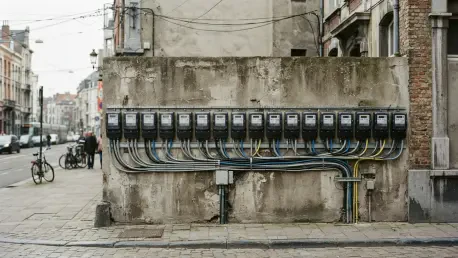
The integration of smart metering technology serves as a cornerstone of these performance-linked reforms, providing DISCOMs with the granular data needed to optimize grid performance and improve billing efficiency. By moving away from manual meter reading and estimated billing, utilities can significantly reduce the revenue leakage that has plagued the sector for decades. Moreover, these digital tools allow for more sophisticated demand-response strategies, which are essential for managing a grid that increasingly relies on variable renewable energy sources like wind and solar. When utilities can accurately track consumption patterns in real-time, they can implement time-of-day pricing and other incentives that encourage consumers to shift their energy use to periods when green power is most abundant. This digital transformation not only improves the bottom line for the DISCOMs but also empowers consumers with better information about their energy usage, fostering a national culture of efficiency.
Aligning Utility Health With Clean Energy Goals
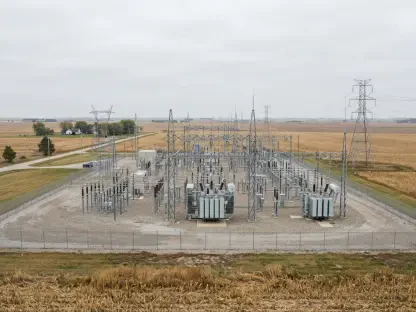
A financially robust distribution sector is the prerequisite for achieving India’s target of 500 gigawatts of non-fossil fuel capacity. As renewable energy assumes a dominant share of the national power mix, DISCOMs must be equipped to manage the inherent intermittency of these resources without compromising grid stability. A utility struggling with insolvency is unlikely to enter into long-term power purchase agreements with renewable energy developers or invest in the high-capacity storage solutions needed to balance the load. Furthermore, the expansion of the electric vehicle ecosystem and the proliferation of rooftop solar installations require a grid that is flexible, resilient, and capable of handling two-way energy flows. Financial health allows DISCOMs to modernize their substations and transmission lines to accommodate these new technologies. By aligning economic incentives with national decarbonization goals, the distribution sector becomes an active participant in the energy transition.
The evolution of the Indian power sector demonstrated that technological progress in energy generation had to be matched by structural resilience in distribution. It became clear that the success of green energy initiatives depended on three synchronized pillars: the professionalization of regulatory bodies, the rationalization of subsidy payments, and the adoption of performance-based funding models. Policy experts recognized that addressing the accumulated debt of DISCOMs was not merely a fiscal chore but a strategic investment in the nation’s sustainable future. By moving toward the segregation of agricultural feeders and the widespread adoption of smart metering, the sector managed to narrow the gap between the cost of supply and revenue realization. These actions provided a stable foundation for the integration of variable renewable resources and the expansion of the electric mobility market. The transition proved that consistent, evidence-based policy implementation was the final hurdle in securing a reliable system.