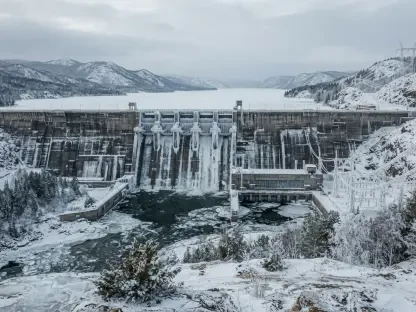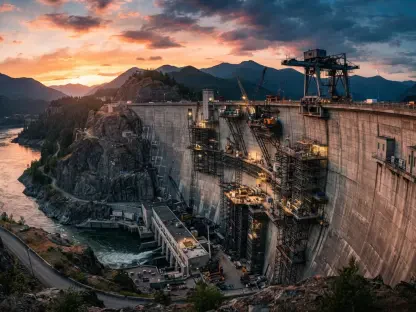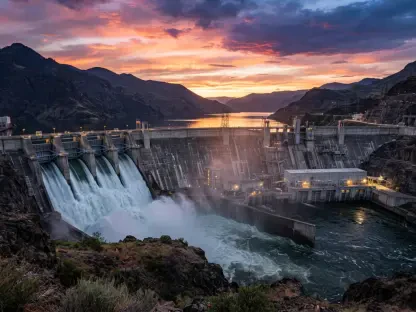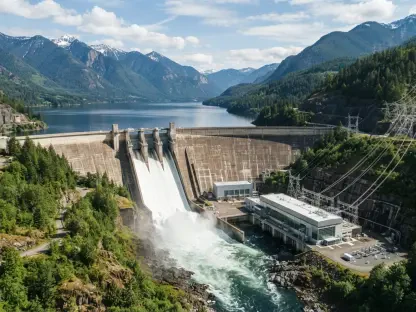

The Federal Energy Regulatory Commission has mandated a temporary cessation of power generation to address the immediate needs of migratory fish populations in Oregon. This decision marks a significant shift in how regional authorities balance renewable energy production with environmental
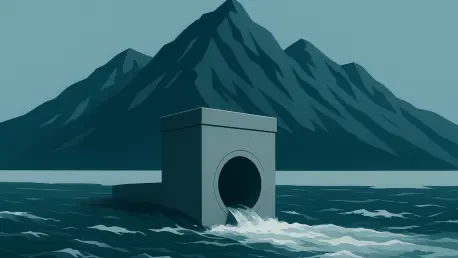
The high-altitude rivers of Nepal, born from the melting glaciers of the Himalayas, represent more than just a source of spiritual reverence; they are the literal currents of the nation's economic future. While the 2024 amendment to the National Parks and Wildlife Conservation Act was deemed

Private industry partners currently operate 65 hydropower plants at existing federal sites, contributing an additional 2,500 megawatts of clean capacity to the national electric grid. This collaboration underscores the massive scope of the U.S. Army Corps of Engineers (USACE) hydropower program,

Norway relies on hydropower for nearly 90 percent of its total electricity generation, making the resilience of its aging infrastructure a top priority for national energy security. This reliance underscores the critical need for advanced technological interventions as the country navigates a

Deciding whether to keep water in Lake Powell to protect the power grid or release it to support downstream reservoirs has become a central conflict for regional water authorities. This dilemma persists as the Bureau of Reclamation navigates unprecedented hydrological variability across the
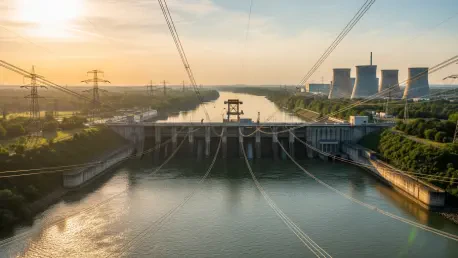
The rhythmic flow of the Danube River has long dictated the heartbeat of Romania’s economy, yet this once-predictable pulse is now being challenged by an increasingly volatile climate. As environmental shifts reshape the continent, the traditional boundaries between water management and energy