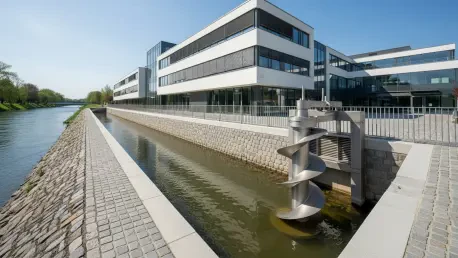

The rising costs of traditional energy sources coupled with the urgent necessity to reduce carbon footprints have prompted local authorities to seek innovative ways to power public infrastructure. In Pembrokeshire, the local council recently initiated a feasibility study to determine if the natural water flow adjacent to the County Hall can be harnessed as a reliable source of hydroelectric power. This movement represents a significant shift from passive environmental observation toward active resource utilization in a region known for its rugged coastlines and abundant water resources. By exploring the potential of micro-hydro systems, the council aims to create a sustainable blueprint for other governmental buildings. This specific project focuses on the Cleddau River’s potential to supply clean electricity directly to the administrative hub, reducing reliance on the national grid. Such an undertaking requires a delicate balance between engineering ambition and environmental stewardship in a landscape that is a vital economic center.
Engineering and Ecological Synergy: The Path to Sustainability
Technical Requirements: Assessing Streamflow and Turbine Choice
Evaluating the potential for energy generation begins with a rigorous analysis of the river’s hydrological patterns, specifically focusing on flow rates and seasonal variations that could affect output. Modern low-head hydropower technology, such as the Archimedes screw, allows for energy extraction from small drops in elevation, making it ideal for the Western Cleddau. Engineers are currently measuring the kinetic energy available to ensure that the proposed installation can provide a consistent baseline load for the County Hall’s operations throughout the year. These technical assessments are crucial because the energy demand of a large administrative building fluctuates significantly between peak business hours and overnight periods. Furthermore, the integration of smart grid technology would allow the council to manage this power flow effectively, potentially storing excess energy in battery systems for use during periods of low river flow. This data-driven approach ensures that the investment in mechanical infrastructure translates into measurable reductions in utility expenditures.
Conservation Standards: Preserving Biodiversity and River Health
While the technical promise of hydropower is substantial, the council must also address the ecological sensitivities associated with modifying a natural waterway. Environmental consultants conducted thorough biodiversity audits to assess how a turbine installation might impact fish migration and the local otter population. Implementing fish-friendly designs, which utilize slow-rotational speeds and specialized screens, has become a standard requirement for such projects to prevent injury to aquatic species. These measures are essential for maintaining the health of the river ecosystem, which serves as a cornerstone of Pembrokeshire’s heritage. By prioritizing “run-of-river” systems over large-scale damming, the council ensures that the natural volume and speed of the water remain largely unchanged. This strategy minimizes sedimentation and thermal variations, preserving the water quality downstream while still capturing enough energy to meet the facility’s needs. The successful marriage of clean energy production with habitat conservation remains a top priority for stakeholders.
Strategic Pathways: Financial Viability and Carbon Neutrality
The council established a clear roadmap for achieving net-zero emissions by integrating this hydropower project into a wider regional strategy. Stakeholders identified that decentralized energy production acted as a catalyst for further investments in solar and wind capacity within the county. To ensure the success of future installations, officials recommended the creation of a dedicated technical task force to oversee the maintenance and monitoring of renewable assets. This group prioritized the implementation of real-time data tracking systems to verify the actual carbon savings against the initial projections. Furthermore, the council encouraged local engineering firms to develop specialized skills in micro-hydro maintenance, fostering a green jobs market within Pembrokeshire. By documenting the challenges and successes of the project, the administration provided a replicable framework for other coastal and river-based communities. These proactive steps moved the discussion from theoretical planning to practical execution.