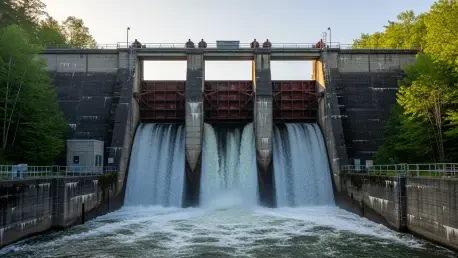

The debate over whether the State of Michigan should exercise its regulatory authority to halt the acquisition of aging hydroelectric dams by private equity firms has intensified as local communities voice concerns regarding safety and long-term infrastructure investment. Residents near the Tittabawassee and Au Sable rivers are especially wary of transactions involving firms that may prioritize quarterly dividends over the structural integrity required to prevent catastrophic failures. This skepticism is rooted in the memory of past infrastructure lapses that devastated local economies and displaced thousands of families. Consequently, state lawmakers are now weighing the benefits of private capital infusion against the necessity of stringent public oversight. While private equity firms argue that their financial resources are essential for modernizing century-old turbines and spillways, critics point out that the business model of short-term ownership often conflicts with the multi-decade maintenance schedules required for safe dam operation. This tension represents a fundamental question about the role of essential utilities in a marketplace increasingly dominated by speculative investment strategies rather than public service mandates.
Regulatory Oversight: Financial Capability and Accountability
Ensuring that new owners possess the technical expertise and financial stamina to manage high-hazard dams is a primary concern for the Michigan Public Service Commission. Private equity structures often involve complex layers of limited liability companies, which can complicate the process of holding specific entities accountable if a spillway fails or an embankment collapses. To address these vulnerabilities, regulators are considering new requirements that would mandate larger cash reserves or insurance bonds as a condition of sale approval. Such measures are designed to ensure that funds remain available for emergency repairs even if the parent company undergoes restructuring or divestment. Furthermore, the transition from utility-owned infrastructure to private equity ownership frequently leads to a reduction in on-site staff, raising alarms about the response time during extreme weather events. These operational changes necessitate a re-evaluation of how the state monitors daily activities at these sites. If the state chooses to allow these sales, it must establish a rigorous auditing framework that prevents the extraction of profits at the expense of deferred maintenance, thereby protecting downstream populations from avoidable risks.
Strategic Alternatives: Public Interest and Long-Term Management
Proponents of state intervention suggested that Michigan should instead facilitate the creation of regional hydro-authorities or public-private partnerships that prioritized community stability. By moving toward a model where local stakeholders had a direct voice in the governance of these assets, the state fostered a more transparent approach to water management and energy production. Legislators recommended that any future sale agreements included ironclad clauses requiring the complete funding of decommissioning costs, ensuring that taxpayers were not left with the bill if a private owner abandoned an unprofitable facility. State agencies also explored the possibility of providing low-interest loans to non-profit cooperatives, which proved more likely to invest in the environmental restoration of river ecosystems than traditional investment firms. This shift in strategy acknowledged that while private capital remained a powerful tool, it required a clear set of boundaries to align with the public interest. Ultimately, the decision to block or approve these sales hinged on a comprehensive assessment of risk, where the long-term safety of Michigan’s waterways was placed above the immediate convenience of offloading aging infrastructure to the highest bidder.