
The completion of the second-phase concrete pouring for the Lawa Hydropower Station’s dam slab on June 16, 2026, marks a transformative moment for China’s renewable energy infrastructure. This massive engineering project, nestled within the rugged and unforgiving terrain of southwest China, has finally transitioned into its final developmental stages, signaling the imminent arrival of a 2,000 MW clean energy powerhouse. Located on the upper Jinsha River, the station stands as a focal point for the nation’s ambitious goal of constructing a high-capacity hydroelectric corridor that supports both industrial growth and environmental preservation. As the construction crews celebrate this definitive structural milestone, the focus shifts toward the rapid installation of electromechanical equipment. Once fully operational, the facility is projected to generate approximately 9 billion kWh of electricity annually, providing enough low-carbon power to satisfy the needs of roughly 4.7 million households.
Technical Advancements and Infrastructure Scale
Engineering Breakthroughs: Operating in Extreme Environments
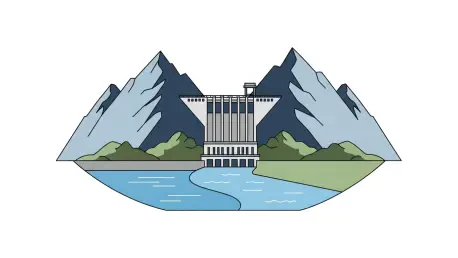
The Lawa Hydropower Station is defined by its sheer physical scale and the unprecedented technical complexity required to manage a dam reaching a maximum height of 242.5 meters. Achieving the recent milestone of the second-phase concrete pouring for the dam slab is widely regarded as a major engineering breakthrough by the project’s lead developers. This specific structural component is vital for stabilizing the main body of the dam against the extreme hydraulic pressures and environmental stressors inherent to high-altitude construction sites.
By successfully completing this phase, engineers have effectively mitigated several significant risks that previously threatened the project, such as seismic vulnerability and material fatigue under fluctuating thermal conditions. The transition into the “final construction sprint” now allows teams to focus on the intricate task of installing the large-scale turbines and generators required to convert the river’s flow into electricity. The use of digital twin technology ensures all components function in harmony before the reservoir is filled.
Strategic Integration: Building a Resilient Energy Corridor
The Lawa facility is not an isolated generator but rather a central pillar in an increasingly sophisticated clean energy corridor that spans the upper reaches of the Jinsha River. This corridor is designed to integrate various forms of renewable energy, including wind and solar power, into a unified and highly flexible grid system. The primary challenge of modern renewable energy remains its inherent intermittency, where wind and solar output can fluctuate dramatically based on localized weather patterns or the time of day.
By positioning large-scale hydropower at the heart of this network, energy planners can utilize the dispatchable nature of hydro-electricity to provide a stable baseline of power. When solar or wind production drops, the Lawa station can quickly ramp up its output to fill the gap, ensuring that the regional grid remains resilient and reliable. This synergy between diverse energy sources represents a significant evolution in the way large-scale power systems are managed today, allowing for a steady supply regardless of environmental variability.
Management Structure and Environmental Goals
Collaborative Management: Regional and State Partnerships
The development and operational oversight of the station are handled by the Huadian Jinshajiang River Upper Reaches Hydropower Development Co., Ltd., a specialized entity. This management structure is led by the China Huadian Group, which maintains a 48% stake in the project, reflecting a strong commitment from the central government. However, the project is also characterized by significant regional cooperation, with the Tibet Development and Investment Group and the Sichuan Tietou Kangba Investment Co., Ltd. each holding a 20% stake.
This collaborative investment model ensures that both state-level strategic goals and regional economic interests are aligned throughout the construction and operation phases. By involving local investment groups, the project fosters regional expertise in hydropower management and ensures that the economic benefits generated by the station are shared among the provinces directly impacted by the river’s development. This integrated approach to project management demonstrates how state enterprises can successfully collaborate with regional partners to achieve complex industrial objectives.
Decarbonization Strategy: Driving Sustainable Industrial Growth
The Lawa Hydropower Station serves as a cornerstone of a broader national strategy aimed at achieving total decarbonization and ensuring long-term energy security. By investing heavily in large-scale hydroelectric infrastructure, the country is systematically reducing its historical reliance on fossil fuels, particularly coal, which has dominated the power sector for decades. The transition toward a renewable-heavy energy mix is essential for meeting international carbon-reduction commitments and improving air quality across the nation’s urban centers.
Projects like Lawa utilize the immense natural power of the Jinsha River to provide a continuous, high-volume supply of electricity that emits virtually no greenhouse gases during operation. This move toward green energy is not just an environmental necessity but also a strategic economic shift, as it insulates the national power grid from the price volatility of global fossil fuel markets. The station acts as a catalyst for this transformation, proving that large-scale industrialization and environmental stewardship can coexist through the application of advanced engineering.
Future Directions: Strategic Insights and Next Steps
As the Lawa Hydropower Station reached its final phase of structural development in 2026, the focus shifted toward the operational readiness and grid integration protocols necessary for a full-scale launch. Stakeholders took decisive steps to ensure that the transition from construction to power generation was seamless, prioritizing the rigorous testing of safety systems and the finalization of transmission infrastructure. Moving forward, the successful implementation of this project should serve as a blueprint for other high-altitude hydroelectric developments across the globe, emphasizing the need for robust regional partnerships and integrated energy corridors. Future energy planners must consider the Lawa model of combining hydro, wind, and solar assets to create a diversified and stable renewable portfolio. To maximize the long-term benefits of this investment, it was essential to continue investing in local technical training and environmental monitoring to ensure the dam’s ecological footprint remained minimal.