


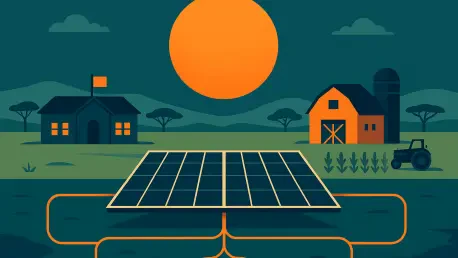

The shift toward decentralized power represents a move toward energy justice, where electricity is treated as a basic human right rather than a luxury for the urban elite. For decades, the Nigerian power landscape has been defined by a massive, centralized infrastructure that often failed to deliver on its promises, leaving millions in perpetual darkness. This transition toward decentralized minigrids is not merely a technical adjustment; it is a fundamental shift intended to provide dignity and economic opportunity to those the traditional system has long ignored. By moving away from a model that prioritizes a single national grid, the nation is acknowledging that energy equity requires local solutions tailored to local needs. The persistence of large-scale blackouts and the inability of the national transmission system to reach the furthest corners of the country have made it clear that the old ways of thinking are no longer viable. Instead, a new paradigm is emerging where power generation is located closer to the point of consumption, reducing the physical and financial distance between the source and the end-user. This change is particularly vital for rural and peri-urban communities that have remained on the margins of the modern economy for generations. As the conversation moves from simple generation to comprehensive energy justice, the focus is now on how these localized systems can be scaled to reach the millions who remain unconnected.
The Structural Inefficiency: Challenges of a Centralized Model
Nigeria’s national electricity grid suffers from inherent technical and geographic limitations that make it fundamentally unsuitable for achieving universal coverage across such a vast territory. Stretching high-voltage transmission lines across rugged landscapes to reach small, sparsely populated rural settlements is a prohibitively expensive and inefficient endeavor. The physical infrastructure is often subjected to harsh environmental conditions and aging components that lead to frequent failures, including dozens of total system collapses recorded in the period leading up to the current year. For many Nigerians living outside the major industrial hubs, the grid is more of a theoretical concept than a reliable utility. Even in areas where physical poles and wires exist, the actual supply of electricity is so sporadic that businesses and households cannot rely on it for daily operations. This “myth” of connectivity highlights the failure of a centralized approach that was designed for a different era and a different set of economic realities. The centralized model creates a single point of failure where a disturbance in one part of the country can plunge the entire nation into darkness, a vulnerability that has paralyzed economic growth for years.
The financial barriers to rehabilitating and expanding the traditional centralized model are equally daunting and suggest that a grid-only solution is mathematically impossible under current economic conditions. Analysts have estimated that bridging the nation’s electricity gap would require approximately $100 billion in annual investment over the next several decades. To put this in perspective, such a figure represents roughly double Nigeria’s entire federal budget for the 2026 fiscal year. Without a radical change in strategy, the infrastructure deficit will continue to outpace the government’s ability to fund it through traditional public expenditure. Private investors are often hesitant to pour capital into a centralized system that is bogged down by historical debt, inefficient billing processes, and a lack of transparency in the value chain. This fiscal reality has forced policymakers to look toward more agile, decentralized solutions that require less upfront capital and offer more predictable returns. By breaking the problem down into smaller, community-sized units, the financial burden becomes manageable, allowing for a more diversified pool of investors to participate in the energy sector.
The Social Divide: Energy Poverty and Economic Stagnation
The human cost of this prolonged energy crisis is staggering, with roughly 85 million Nigerians—about 45% of the total population—currently lacking any access to the national grid. This creates a sharp and often insurmountable divide between urban centers and rural life, as the vast majority of rural residents are left entirely without power. This disparity ensures that nearly half of the country is effectively locked out of the modern digital economy, unable to access the internet, industrial tools, or basic lighting necessary for educational advancement. Energy poverty acts as a severe bottleneck for human development, limiting the ability of individuals to escape the cycle of poverty and contribute to the national GDP. When a significant portion of the population cannot use modern appliances or tools, the productivity of the entire nation is suppressed. The lack of electricity is not just a matter of convenience; it is a systemic barrier that prevents millions of citizens from achieving their full potential, thereby reinforcing geographic and social inequalities that have persisted for decades.
Furthermore, the lack of reliable power has devastating effects on public health and local entrepreneurship, particularly in the most vulnerable regions. Approximately 40% of primary health centers in the country operate without sufficient power to perform standard medical procedures or store life-saving vaccines at the required temperatures. This energy deficit directly translates into higher mortality rates and a diminished capacity to manage public health crises. Meanwhile, small business owners in rural areas are forced to choose between the exorbitant costs of polluting diesel generators or closing their shops at sunset. This dilemma stifles innovation and limits the growth of small and medium enterprises, which are the backbone of the local economy. A rural tailor or a small-scale miller cannot scale their operations if they are constantly worried about the price of fuel or the noise of a generator. These micro-economic struggles aggregate into a massive national loss of economic opportunity, as the lack of reliable energy prevents the transformation of raw materials and the development of local value chains.
Technical Superiority: Why Solar Minigrids Outperform the Grid
Localized solar-powered minigrids offer a disruptive and technically superior alternative to the traditional national grid in many contexts. These systems, which typically consist of solar arrays, lithium-ion battery storage, and smart distribution networks, can be deployed directly within a community much faster than the time it takes to plan and build major transmission extensions. Because they operate as autonomous units, they are completely immune to the total system collapses that frequently plague the national transmission network. If a fault occurs in one minigrid, it does not affect the neighboring village, creating a more resilient and modular national energy architecture. Moreover, the maintenance of these systems is far simpler and cheaper in the long run compared to the upkeep of massive gas-fired power plants and thousands of miles of high-voltage lines. The use of renewable energy also aligns with global sustainability goals, reducing the carbon footprint of the nation’s energy sector while providing a clean and silent alternative to the ubiquitous diesel generator.
The integration of advanced storage technologies has been a game-changer for the viability of these decentralized systems. In the period from 2026 to 2028, the declining cost of high-capacity batteries has allowed minigrids to provide reliable power 24 hours a day, overcoming the historical limitation of solar power being available only during daylight hours. Modern minigrids are now designed with smart meters and remote monitoring systems that allow operators to track performance and detect faults in real-time. This level of technical oversight ensures high uptime and allows for proactive maintenance, which was rarely possible with the aging centralized infrastructure. Additionally, these systems can be easily scaled up as a community’s energy demand grows. A village that starts with basic lighting and phone charging can eventually expand its capacity to support heavy machinery for milling or refrigeration without needing to wait for a major government project. This flexibility makes solar minigrids the ideal technology for a rapidly evolving economic landscape where demand is unpredictable and growth is localized.
Financial Inclusivity: Bridging the Gap With Payment Innovation
To make these decentralized systems accessible to low-income households, developers and providers have turned to innovative financial models like “Pay-as-you-go” (PAYG) and microfinance. These models allow users to pay for electricity in small, manageable increments using mobile money platforms, which are already widely adopted across the country. By breaking down the cost of energy into daily or weekly payments, providers have lowered the barrier to entry for the poorest Nigerians who cannot afford large upfront connection fees. This approach transforms electricity from an unreachable luxury into a daily utility that fits within the budget of a subsistence farmer or a small village shop owner. The data generated by these payment systems also helps build a credit history for individuals who were previously unbanked, opening doors to other financial services such as loans for agricultural equipment or school fees. This intersection of energy and fintech is a critical component of the minigrid revolution, ensuring that technical solutions are backed by viable economic pathways for the users.
Public funding and international grants have also played a role in de-risking these projects for the private sector. While the Nigerian government has allocated significant funds for minigrid development in recent budgets, the focus has shifted toward using public money as a catalyst rather than the sole source of capital. Performance-based grants and subsidies are now used to incentivize developers to target the most remote and underserved areas where the cost of deployment might otherwise be prohibitive. This blended finance approach ensures that private companies can achieve a reasonable return on investment while keeping tariffs affordable for rural consumers. Furthermore, the development of local currency financing options has helped mitigate the risks associated with foreign exchange fluctuations, which had previously deterred international investors. By creating a more stable and inclusive financial environment, the country has seen a surge in the number of active minigrid developers, leading to increased competition and further reductions in the cost of service for the end-user.
Strategic Pathways: Actionable Steps for National Electrification
The path forward for Nigeria’s energy sector required a fundamental shift in how projects were conceptualized and executed. It was determined that the long-term success of minigrid systems depended heavily on the “productive use” of energy, meaning that electricity had to do more than just provide light; it had to fuel income-generating activities. To achieve this, developers and government agencies prioritized the integration of energy systems with local industries, such as agro-processing, welding, and small-scale manufacturing. When electricity was used to power a grain mill or a cooling facility for fish, it created a virtuous cycle where local businesses became more profitable and could easily afford their energy bills. This economic integration ensured that the infrastructure remained self-sustaining and highly valued by the local community. The strategy shifted from merely providing “access” to fostering “utilization,” which was identified as the key driver for rural economic transformation and long-term infrastructure stability.
Another critical insight was the importance of creating a regulatory environment that prioritized community ownership and private sector agility. Regulations were streamlined to allow for faster licensing of small-scale projects, and the government moved to ensure that minigrid operators had clear legal protections when the national grid eventually expanded into their areas. However, the most successful projects were those that incorporated meaningful community participation from the outset. True energy justice was found to require that local residents were involved in the design, site selection, and even the maintenance of the systems. This sense of ownership reduced the risk of vandalism and ensured that the services provided were closely aligned with the actual needs of the people. By empowering a village clinic or a local farm with reliable power, these decentralized systems proved that electricity is a powerful vehicle for social inclusion. The ultimate measure of success for this transition was the reduction of inequality and the creation of tangible opportunities for those who had been marginalized by the previous era of centralized planning.







