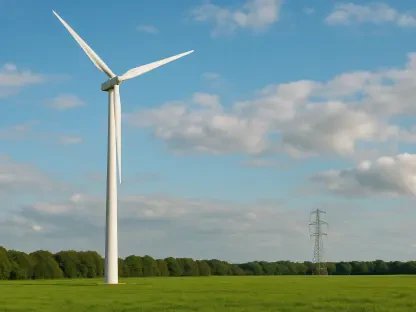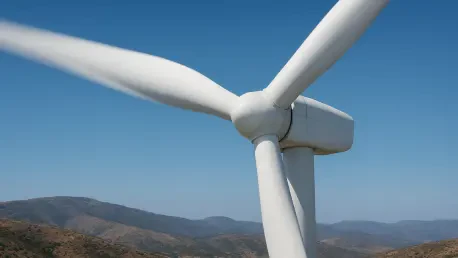

The transformative power of the wind and sun is no longer just an environmental aspiration but a fundamental pillar of economic survival for a nation once tethered to foreign fossil fuel imports. Türkiye has executed a decisive pivot toward domestic energy sources, positioning itself as a dominant force in the global green transition. Currently ranking fifth in Europe and eleventh globally for installed renewable capacity, the country has moved beyond experimental projects to large-scale industrial implementation. This evolution is defined by a rapid adoption of high-efficiency turbines and sophisticated photovoltaic systems that now anchor the national energy mix.
The Landscape of the Turkish Green Energy Revolution
The strategic move toward energy independence serves as a safeguard for national security. By harnessing local natural resources, the market has matured into a competitive environment featuring major industrial players capable of manufacturing high-tech components locally. This shift reflects a broader objective to ensure economic sovereignty in an era of volatile global fuel prices.
Furthermore, the integration of green technology has fundamentally altered the domestic labor market. New vocational training programs and specialized engineering roles have emerged to support the maintenance of a sprawling renewable infrastructure. This technological shift does not only reduce carbon footprints but also cultivates a specialized workforce that keeps the nation at the forefront of the Mediterranean energy sector.
From Fossil Fuel Dependency to Economic Resilience
The Financial Impact: Displacing Imported Coal and Gas
Financial data illustrates that the aggressive expansion of solar and wind energy acted as a massive buffer against external debt. By substituting expensive imported coal with domestic power, the nation saved approximately $21.5 billion. This fiscal relief becomes even more apparent when compared to natural gas alternatives, where the potential cost burden could have reached $43.3 billion.
In contrast to the high costs associated with traditional fuels, the price of renewable generation has continued to decline due to localized production. This downward trend in costs allowed for a more stable national trade balance and reduced the volatility of consumer energy prices. Moreover, the capital once reserved for fuel imports is now being redirected into domestic infrastructure and technology development.
Statistical Growth: Performance Metrics Since 2015
The scale of growth is evident in the transition from 11,847 gigawatt-hours in 2015 to a cumulative total of 442.2 terawatt-hours. This surge represents more than just financial savings; it marks a significant environmental victory. The displacement of fossil fuels prevented 354 million tons of carbon dioxide emissions, demonstrating that economic expansion and ecological preservation can occur simultaneously.
As the decade progressed, the efficiency of installed wind and solar parks increased significantly through the application of smart grid technologies. These performance indicators reflect a mature energy sector that has moved past the initial phase of installation into a phase of optimization. This data-driven approach ensured that every megawatt produced contributed directly to the stabilization of the national grid.
Navigating the Hurdles of a Rapid Energy Transition
Despite these successes, integrating decentralized energy into a traditional framework presents technical challenges. Grid stability is a primary concern as the share of intermittent sources increases, necessitating advanced energy storage and a modernized distribution network. Furthermore, securing sustainable financing for infrastructure during global economic shifts requires innovative public-private partnership models to maintain momentum.
However, the transition also faced geographic and logistical barriers as the most productive wind and solar sites are often far from industrial consumption centers. Solving this disconnect required substantial investment in long-distance transmission lines and high-voltage direct current technology. Addressing these logistical bottlenecks remains a priority for ensuring that green energy remains affordable for all sectors of the economy.
Strategic Policies: Fueling the 2053 Net Zero Target
Central to this transformation is the National Energy Plan, which outlines a structured path toward total carbon neutrality by 2053. The Ministry of Energy and Natural Resources established regulatory frameworks that offer clarity for investors while ensuring compliance with international standards. These policies aim to create a predictable market environment that rewards efficiency and innovation in green technology.
Moreover, the government introduced specific incentives for companies that incorporate carbon capture and storage alongside their renewable portfolios. This multi-layered regulatory approach ensures that the path to 2053 remains flexible enough to adapt to new scientific breakthroughs. By aligning national goals with international climate treaties, the country secured its position as a reliable partner in the global environmental movement.
The Roadmap: 120,000 Megawatts by 2035
Looking ahead from 2026 to 2035, the government intends to expand its footprint to reach 120,000 megawatts. This expansion focuses on emerging sectors like offshore wind and hybrid energy systems, which allow for more consistent power generation. As these technologies mature, the country is set to solidify its role as a regional energy hub, exporting both clean power and technical expertise.
The secondary phase of this roadmap involves the mass production of green hydrogen, which utilized excess solar and wind energy during peak periods. This strategy aimed to decarbonize heavy industries such as steel and cement that were previously difficult to transition. Such foresight turned a potential surplus of energy into a valuable commodity for the European market.
Securing Fiscal Stability and Ecological Sustainability
The transition through 2025 successfully demonstrated that prioritizing domestic renewables was the most effective strategy for mitigating trade deficits. Investors who recognized this trend early capitalized on a market that valued long-term resilience over fossil fuel gains. Future strategies focused on enhancing grid flexibility and exploring hydrogen production to maintain the momentum of this energy revolution.
Stakeholders identified that the next major leap required a deeper integration of artificial intelligence to manage energy distribution more effectively. Policymakers also turned their attention toward decentralized micro-grids to improve the resilience of rural communities against climate-related disruptions. Ultimately, the shift to a green economy provided a blueprint for balancing industrial growth with environmental responsibility.