
The global race to secure massive amounts of electricity has fundamentally shifted the focus from long-term cost efficiency to the immediate availability of power generation capacity. In the current energy landscape, the surge in demand from data centers and the widespread electrification of industry have forced a reevaluation of investment metrics. Speed to market is now competing with the levelized cost of energy as the primary factor for project viability. While fossil fuel plants once offered a predictable path to capacity, the shift toward decentralized modular systems is enabling a much more agile response to the needs of the grid.
The Great Power Race: Why Speed Is Redefining Global Energy Markets
Decarbonization goals are accelerating deployment timelines as countries race to meet climate targets. International competition has turned electricity into a strategic asset where the velocity of installation defines market dominance. Large-scale data centers and industrial hubs are no longer willing to wait years for traditional power plants, driving a pivot toward technologies that offer near-term solutions. This transition from centralized fossil fuels to modular systems has allowed newer players to challenge established utilities by delivering power in fractions of the traditional time.
Momentum and Metrics: Tracking the Velocity of the Green Transition
Modular Innovation and the Rise of Rapid Deployment Trends
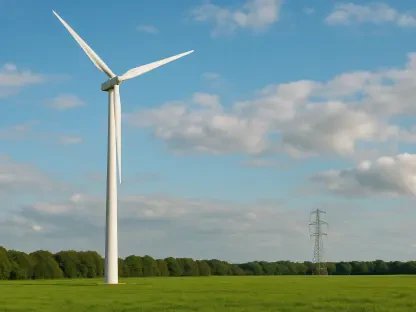
Utility-scale solar and onshore wind have moved toward a model of mass production that allows for remarkably short construction cycles. A typical solar project can now reach completion in about fifteen months, whereas traditional nuclear or coal facilities often require over a decade of planning and building. This speed provides a unique financial buffer, as staged commissioning allows projects to generate revenue and mitigate interest rate risks while the final phases of installation are still underway. Digital tools like AI-driven modeling are further refining this process by automating site selection and streamlining complex engineering tasks.
Projecting the Path Forward: Growth Data and Capacity Forecasts
Projections indicate that data center consumption alone will reach 945 TWh by 2030, a figure that rivals the entire energy use of major industrial nations. While traditional gas turbine manufacturers struggle with delivery backlogs that extend well into the years from 2026 to 2030, renewable supply chains have shown greater flexibility in scaling up to meet this hunger for power. The correlation between rapid deployment and investor returns is becoming more pronounced, as the quick turnaround of capital allows for faster reinvestment in a rapidly changing market.
The Gridlock DilemmOvercoming Interconnection and Reliability Hurdles
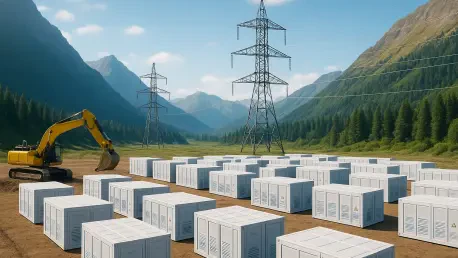
However, the speed of generation often collides with the reality of aging infrastructure, creating a massive backlog in interconnection queues. There are currently over 2,500 GW of projects waiting for permission to connect to the grid, many of which are delayed by regulatory red tape rather than technical limitations. While a wind farm can be built in two years, the high-voltage transmission lines required to carry that power across regions often take fifteen years to complete. Balancing this intermittency requires a strategic mix of storage solutions and flexible demand management to ensure reliability.
Navigating the Regulatory Maze: Laws and Standards Shaping Speed
Legislative efforts like the Inflation Reduction Act have attempted to simplify the permitting process, but navigating the regulatory maze remains a complex task for developers. Streamlining environmental assessments is essential to maintain momentum, yet these changes must be balanced with the need for ecological safeguards. Standardization of grid codes and compliance measures is also becoming a priority to facilitate cross-border energy sharing and protect decentralized assets from emerging security threats in a digitalized grid environment.
The Future Landscape: Hybrid Models and the Next Frontier of Power
The next frontier involves the integration of solar and wind with long-duration storage to create firm renewable energy that can mimic the reliability of traditional baseload power. Small modular reactors and hydrogen technology represent potential disruptors that could eventually offer a different path to rapid deployment, though they remain in earlier stages of commercialization. As corporate procurement strategies shift toward 24/7 carbon-free energy, the demand for high-velocity energy solutions will likely intensify, influenced by global trade tensions and the reshoring of manufacturing.
Conclusion: Velocity as the Ultimate Catalyst for a Resilient Energy Future
Speed served as the ultimate catalyst for creating a resilient energy future that could withstand the pressures of modern consumption. The industry recognized that balancing rapid green deployment with long-term grid stability was the only viable path forward. Policymakers and investors who prioritized the modernization of physical infrastructure and streamlined permitting found themselves best positioned to lead. Ultimately, the ability to build at the speed of demand determined the leaders of the new global energy economy.