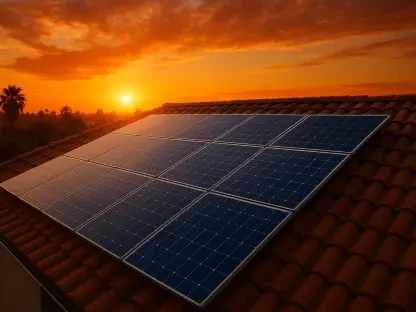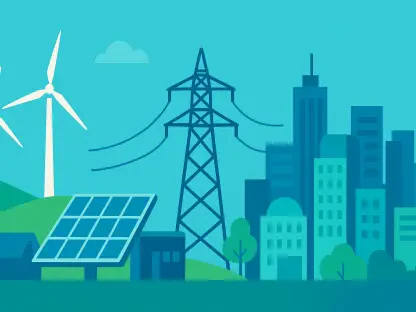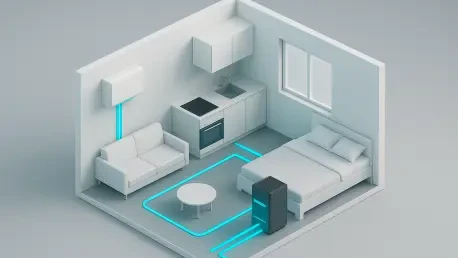

The mismatch between low solar generation and high heating demand during the winter months represents a critical obstacle for buildings attempting to transition away from gas. While suburban homes can often accommodate massive solar arrays and large-scale battery storage to offset seasonal deficits, apartment dwellers in high-density urban environments face a far more complex reality. The traditional approach of waiting for holistic building upgrades has left millions of residents tethered to fossil fuel infrastructure, creating a significant delay in the broader decarbonization timeline. Instead of relying on slow-moving corporate decisions or massive structural overhauls, a new strategy is emerging that prioritizes individual unit autonomy. By focusing on the consumer side of the meter, residents are discovering that they can significantly reduce their carbon footprint through localized technological solutions. This shift represents a move toward decentralized energy management where efficiency and smart appliances serve as the primary drivers for change.
The Limitations of Large-Scale Infrastructure
Traditional pathways to apartment electrification are frequently bogged down by excessive costs and administrative red tape that discourage even the most forward-thinking owners. Upgrading the electrical backbone of a high-density building is a notoriously slow process, further hampered by a nationwide shortage of qualified labor capable of performing complex heavy-ups in older structures. These projects often require significant downtime for the entire building, which complicates residential life and introduces liability concerns that property managers are hesitant to address. Moreover, the legal nature of owners’ corporations means that unanimous or supermajority consensus is often required before any major capital works can begin. This democratic bottleneck ensures that even minor electrical improvements can take several years to reach the implementation phase. Consequently, the wait for building-wide infrastructure improvements often becomes an indefinite delay that keeps residents reliant on outdated gas systems.
Structural Challenges: Navigating the Complexities of Retrofitting
Beyond the administrative hurdles, seasonal variability adds another layer of complexity to the traditional electrification model, especially during the colder months when heating demand peaks and solar output is minimal. Relying solely on remote solar generation or broad grid-level shifts often leaves a gap that risks overloading older internal systems when residents need power most. Without a viable way to manage these demand spikes locally, the transition away from gas becomes a gamble on an aging infrastructure that was never designed for modern electrical loads. The inherent instability of older wiring when faced with modern climate control needs often results in tripped breakers and unreliable service. This physical limitation creates a psychological barrier for tenants who fear that switching to all-electric appliances will compromise their comfort during extreme weather. To solve this, the industry must look beyond the switchboard and focus on how energy is distributed within individual units.
Economic Friction: The Split Incentive and Management Delays
The financial disconnect known as the split incentive remains one of the most persistent obstacles to rapid decarbonization in the rental sector. Landlords are typically responsible for the capital costs of appliance upgrades and structural retrofitting, yet they do not directly benefit from the resulting lower utility bills or improved energy performance. Conversely, tenants who pay the electricity and gas bills lack the legal authority to replace fixed infrastructure like furnaces or stoves, even if they are willing to bear the cost. This stalemate often results in the continued use of inefficient, gas-powered appliances until they fail completely, at which point they are frequently replaced with the cheapest available gas model to save on upfront costs. Breaking this cycle requires a move toward portable or plug-and-play electric solutions that allow tenants to take their investment with them or enable landlords to see property value increases through simplified and efficient unit-level upgrades.
The Reality of Modern Energy Consumption
Many older apartment buildings are limited by a modest 25-ampere current, a restriction that was once viewed as a total deal-breaker for full electrification efforts. However, a quantitative look at modern energy consumption reveals that this limit can actually provide enough power for a modern household if the load is managed with precision. The issue is not the total amount of energy available throughout a twenty-four-hour period, but rather the sharp, short-lived spikes in demand when multiple high-draw appliances are used simultaneously. For instance, running an oven, a space heater, and a washing machine at once can easily exceed the capacity of an older circuit. By shifting the focus from total capacity to peak load management, residents can navigate these limits without the need for an expensive and invasive electrical overhaul. This transition involves a combination of smart behavioral changes and the adoption of modern technologies that prioritize efficiency over raw power draw.
Operational Capacity: Redefining the 25-Ampere Limit
Modern technology has drastically lowered the energy requirements for daily household tasks, making it significantly easier to stay within the existing electrical limits of older buildings. For example, high-efficiency heat pumps for both space heating and water heating use a mere fraction of the power required by legacy systems like halogen bulbs or old electric resistive heaters. By replacing these energy-hungry appliances with modern alternatives, apartment residents can reduce their total energy footprint while maintaining a high standard of living. Furthermore, the advent of high-efficiency LED lighting and induction cooktops has changed the math of residential energy consumption. These devices provide superior performance while drawing significantly less current than their predecessors, effectively freeing up electrical capacity for other needs. As these technologies become the standard for unit-level renovations, the perceived need for massive grid-level upgrades in residential buildings begins to diminish.
Technological Evolution: Transitioning to High-Efficiency Systems
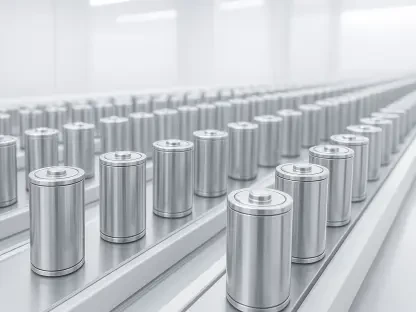
Small batteries built directly into high-performance appliances emerged as a definitive game-changer for residents who wanted to avoid the prohibitive costs of rewiring their homes. These integrated battery systems, found in appliances like induction stoves, acted as buffers that stored energy during low-use periods and released it during intensive tasks like high-heat cooking. This innovation allowed high-performance electric appliances to function perfectly on standard circuits by capping the draw from the grid. By decoupling appliance performance from instantaneous grid demand, these systems provided a level of reliability that was previously unattainable in older buildings. Residents who adopted these technologies found that they could modernize their kitchens without any modifications to their existing wiring. Furthermore, these units provided an added layer of resilience during localized power outages, as the internal battery could sustain basic functions for a limited time, ensuring practical security.
Strategic Implementation: Building Resilient Urban Spaces
The focus on the consumer side of the meter proved to be the most effective way to accelerate the electrification of high-density housing without the delays of traditional infrastructure projects. By prioritizing unit-level efficiency and smart technology, apartment dwellers successfully bypassed the legal and financial hurdles that historically stalled building-wide retrofits. This decentralized approach allowed for immediate carbon reductions while providing a scalable model for other urban centers facing similar challenges. Policy makers eventually shifted their attention to supporting these modular solutions, recognizing that localized energy management was key to a resilient grid. The transition away from gas was achieved through a series of incremental, high-impact changes rather than a single, massive overhaul. In the end, the combination of high-efficiency appliances and smart load management empowered residents to take control of their energy future, proving that meaningful environmental progress was possible.