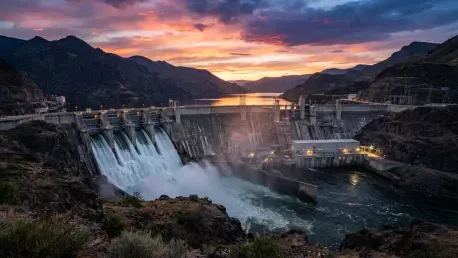

To ensure long-term functionality, the Jim Woodruff Project must now generate enough revenue to fully reimburse the federal investment originally provided by the U.S. Treasury. This mandate follows a recent comprehensive audit conducted by the Southeastern Power Administration in March 2026, which revealed that the facility is no longer meeting its statutory financial obligations. The quiet hum of the turbines at the Jim Woodruff Lock and Dam has long symbolized reliable power for the tri-state area, yet beneath this steady rhythm lies a growing fiscal deficit that threatens its operational future. For decades, the project provided affordable electricity to rural cooperatives, but the economic landscape has shifted significantly. Regulators have now moved to implement an interim wholesale rate increase, effective from October 1, 2026, through September 2031. This adjustment serves as a critical legal necessity to bridge the widening gap between stagnant revenues and the rising costs of infrastructure maintenance.
Legal Mandates and the Self-Sustaining Model
Under the stringent requirements of the Flood Control Act of 1944, federal power projects are legally obligated to operate on a self-sustaining basis, ensuring that taxpayers are not burdened by the costs of utility generation. Unlike private energy firms that focus on profit margins and shareholder dividends, the Jim Woodruff Project is governed by a mandate to recover only the actual costs of operation, maintenance, and the scheduled repayment of federal capital investments. Historically, this model allowed for remarkably low electricity rates, which served as a backbone for municipal utilities and non-profit cooperatives across the region. However, the current fiscal audit demonstrates that the delicate balance between affordability and solvency has tipped. The project must now contend with a rigid legal framework that leaves no room for persistent deficits. Consequently, the rate hike realigns project income with federal debt schedules while preserving the integrity of the power system.
The transition toward higher costs is primarily driven by the physical reality of a facility that has been in continuous operation since the mid-twentieth century. Although the dam remains a marvel of engineering, a 70-year-old infrastructure requires increasingly frequent and expensive repairs to keep pace with modern safety and efficiency standards. Inflationary pressures in the labor and materials markets have further exacerbated these costs, making the previous rate structure, established years ago, completely obsolete. Equipment erosion, turbine degradation, and the need for advanced monitoring systems have all contributed to a financial strain that the Southeastern Power Administration could no longer ignore. By addressing these needs now, regulators hope to prevent a catastrophic failure that would be far more expensive than the current rate adjustments. The focus is shifting toward a proactive maintenance cycle, funded by these new revenues, which seeks to extend the project’s life.
Analyzing the Financial Impact: Rate Structure and Capacity
To address the identified shortfall, the Southeastern Power Administration has introduced a sophisticated two-tiered pricing structure designed to stabilize the project’s cash flow over the next five years. The new interim schedule features a monthly capacity charge of $9.02 per kilowatt, representing a 6.7 percent increase, alongside an energy usage charge of 24.72 mills per kilowatt-hour, which is a 10.8 percent jump. These figures reflect a strategic effort to distribute the financial burden between fixed operational readiness and actual energy consumption. While these changes are currently in an interim phase, they await final confirmation from the Federal Energy Regulatory Commission to ensure they comply with broader energy market regulations. For the wholesale customers who rely on this power, these increases represent a significant shift in their budgetary planning. The goal of this recalibration is to create a resilient financial foundation that withstands future volatility while providing predictable pricing.
Moving forward, regional utility providers and local governments had to recognize that the era of extremely low-cost federal power was evolving into a phase of sustainable reinvestment. Stakeholders focused on optimizing their internal energy management systems to mitigate the impact of these higher wholesale costs on retail consumers. The Jim Woodruff Project served as a case study for how aging federal assets could transition toward modern fiscal stability through transparent auditing and decisive regulatory action. Instead of allowing the debt to balloon, officials prioritized the long-term health of the grid by aligning rates with contemporary economic realities. This proactive stance ensured that the facility remained a vital asset for the tri-state area rather than becoming a liability for the federal treasury. Looking ahead, the success of this strategy depended on the agility of local cooperatives to adapt their business models. By securing this funding, the project established a blueprint.