
The completion of the Champlain Hudson Power Express represents a definitive turning point for the skyline of New York City, which has long struggled to reconcile its immense energy appetite with the urgent necessity of carbon neutrality. Governor Kathy Hochul recently celebrated the finalization of this massive 339-mile infrastructure project, a feat of modern engineering that fundamentally alters how the most populous city in the United States receives its electricity. By tapping into the vast reservoirs of Canadian hydropower and delivering 1,250 megawatts of emission-free energy directly into the heart of Queens, the project successfully addresses approximately 20% of the city’s total electrical demand. This development is not merely a technical upgrade but a strategic pivot away from the aging, carbon-heavy infrastructure that has defined the region for nearly a century. As the state moves forward, this “green vein” serves as the primary artery for a modernized grid designed to support a metropolitan area that is rapidly electrifying everything from its public transit to its residential heating systems.
Technical Innovation and Engineering Excellence
Designing a Buried Energy Highway
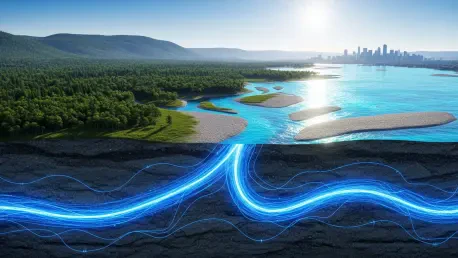
The architectural philosophy behind the Champlain Hudson Power Express is rooted in a commitment to invisibility and resilience, earning it the distinction of being the longest fully buried transmission line in North America. By threading the high-voltage cables entirely underground or beneath the beds of Lake Champlain and the Hudson River, the developers effectively sidestepped the visual blight and community opposition that often derail large-scale energy projects. This subterranean approach was not merely an aesthetic choice; it was a pragmatic response to the increasing frequency of extreme weather events that threaten overhead infrastructure. Placing the lines deep within the earth provides a natural insulation against high winds, ice storms, and heatwaves that have historically caused catastrophic grid failures. This design ensures that the flow of clean energy remains uninterrupted, providing a stable foundation for the city’s critical services and residential needs regardless of the atmospheric conditions above ground.
Beyond its physical protection, the buried nature of the line reflects a sophisticated understanding of environmental stewardship and land-use efficiency. Navigating the complex geography from the Canadian border to the Astoria substation in Queens required innovative horizontal directional drilling techniques to bypass sensitive ecosystems and existing urban infrastructure without causing surface disruption. This precision engineering allowed the project to coexist with the natural and built environments, preserving the scenic beauty of the Hudson Valley while simultaneously reinforcing the energy security of the state’s most densely populated region. The success of this installation demonstrates that large-scale utility projects can be executed with a minimal footprint, setting a new benchmark for how future interconnections might be designed to navigate the challenges of modern urban and ecological conservation.
Bridging the Gap: The Astoria Rainey Cable
The final leg of this energy journey is anchored by the Astoria Rainey Cable, a critical four-mile subterranean link that ensures the clean hydropower arriving from the north is effectively distributed across the city’s complex electrical network. This specific segment of the project highlights the intricate technical requirements of urban energy integration, as it had to be woven through a labyrinth of existing utilities, subway lines, and building foundations in one of the world’s most congested environments. The cable utilizes advanced High Voltage Direct Current technology, which is significantly more efficient than traditional alternating current systems for long-distance transmission. By converting the power at specialized stations, the system minimizes the energy loss that typically occurs during transit, ensuring that the maximum amount of generated electricity actually reaches the homes and businesses that depend on it for their daily operations.
Moreover, the Astoria Rainey Cable serves as a vital bridge between the primary transmission line and the local utility substations that manage neighborhood-level distribution. This connection is essential for balancing the load across the city, allowing for a more flexible and responsive grid that can handle the fluctuations in demand characteristic of a 24-hour metropolis. The implementation of this cable involved the use of high-tech monitoring systems and state-of-the-art materials designed to withstand the thermal and electrical stresses of a high-capacity urban link. As New York City continues to phase out its reliance on local fossil fuel combustion, this high-capacity connection provides the necessary throughput to replace lost capacity with reliable, renewable sources. The engineering precision required to complete this link underscores the project’s role as a masterpiece of modern utility design, bridging the gap between remote natural resources and the high-density demand of the urban core.
Environmental Progress and Public Health
Reducing Carbon Emissions: A Post-Nuclear Landscape
The environmental impact of the project is profound, particularly in the context of the state’s aggressive climate mandates and the recent shifts in its energy generation portfolio. With a projected reduction in carbon emissions of 37 million metric tons by the year 2040, the project acts as a powerful counterbalance to the challenges created by the closure of the Indian Point nuclear facility. Following that closure, the region saw a temporary and concerning uptick in its reliance on natural gas plants to fill the resulting energy void, which threatened to stall progress toward statewide decarbonization goals. The introduction of 1,250 megawatts of firm hydropower provides the consistent baseload power necessary to phase out these aging, gas-fired facilities for good. This transition is a critical component of the state’s strategy to ensure that the march toward a green future does not result in a regression toward higher emission levels during the transitional period.
In addition to direct carbon reductions, the project facilitates a broader shift in the regional energy market by providing a reliable alternative to the volatile prices and environmental costs of fossil fuels. Hydropower from Quebec offers a steady, predictable supply of energy that is not subject to the same geopolitical or economic fluctuations as oil and gas. This stability allows policymakers and utility providers to plan with greater confidence, knowing that a significant portion of the city’s energy needs is met by a source that is both clean and consistent. The large-scale displacement of carbon-intensive generation not only helps the state meet its statutory climate requirements but also contributes to the global effort to mitigate the impacts of climate change. By securing this massive influx of renewable energy, New York has positioned itself as a leader in the transition to a low-carbon economy, proving that even the most complex urban environments can achieve significant environmental milestones through strategic infrastructure investment.
Prioritizing Justice: Phasing out Peaker Plants
One of the most significant social benefits of the project is its direct contribution to environmental justice by facilitating the decommissioning of “peaker” plants located in historically underserved neighborhoods. These plants, which are typically only activated during periods of peak electrical demand, are among the most polluting sources of energy in the city, often burning heavy oils or gas and releasing high levels of nitrogen oxides and particulate matter. For decades, residents in areas like Astoria and the South Bronx—often referred to as “Asthma Alley”—have suffered from disproportionately high rates of respiratory illnesses linked to the emissions from these facilities. The influx of clean Canadian hydropower reduces the need to fire up these aging plants, leading to a direct and measurable improvement in local air quality. This shift represents a tangible victory for public health, ensuring that the transition to clean energy provides immediate relief to the communities that have historically borne the heaviest burden of industrial pollution.
Furthermore, the retirement of these plants opens up new possibilities for community redevelopment and the revitalization of urban waterfronts. As the physical footprint of fossil fuel infrastructure shrinks, the land can be repurposed for green spaces, housing, or modern clean-energy facilities that do not pose a threat to the health of the surrounding population. This process is about more than just changing where electricity comes from; it is about correcting long-standing inequities in how infrastructure is sited and how its impacts are distributed. The project ensures that the benefits of the green revolution are not confined to affluent enclaves but are felt in the streets and homes of every New Yorker. By prioritizing the health of its citizens alongside its carbon goals, the state is demonstrating that true sustainability must encompass both ecological and social dimensions, creating a cleaner and more equitable urban environment for the millions of people who call the city home.
Economic Investment and Labor Opportunities
Strengthening the Workforce: The Power of Union Labor
The economic impact of the project extends far beyond the utility of the electricity it carries, representing a $3.4 billion investment in the state’s financial and physical future. During the multi-year construction phase, the project served as a massive engine for job creation, supporting more than 1,400 high-quality positions across various sectors, from heavy machinery operation to specialized electrical engineering. A defining characteristic of this effort was the commitment to utilizing union labor, with over three million hours logged by members of local trade organizations. This partnership with organized labor ensured that the project was built to the highest standards of safety and quality while providing thousands of New Yorkers with stable, middle-class wages and comprehensive benefits. The collaboration between private developers and union leaders has served as a model for how large-scale green infrastructure can support the local economy and strengthen the domestic workforce.
Beyond the immediate construction jobs, the project has stimulated economic activity in the communities located along the 339-mile route. Local businesses, suppliers, and service providers have benefited from the increased demand generated by the presence of a massive workforce and the procurement needs of such a large-scale undertaking. This ripple effect has helped to bolster local tax bases and support municipal services, demonstrating that environmental initiatives can be powerful catalysts for regional economic development. The investment in union labor also means that a new generation of workers has gained specialized experience in the installation and maintenance of high-voltage transmission systems, a skill set that will be in high demand as the nation continues to modernize its aging electrical grid. By focusing on domestic labor and local investment, the project has ensured that the financial benefits of the energy transition remain within the state, building a more resilient and prosperous economic foundation.
Investing in People: The Green Economy Fund
Recognizing that the transition to a renewable energy future requires more than just new hardware, the project sponsors established the $40 million Green Economy Fund to support long-term workforce development. This initiative is specifically designed to provide residents in disadvantaged and frontline communities with the training, education, and certifications needed to secure careers in the growing renewable energy sector. By focusing on job retraining and skills development, the fund helps to bridge the gap between the declining fossil fuel industry and the emerging green economy, ensuring that workers are not left behind as the state’s energy profile changes. The programs supported by the fund range from technical vocational training to higher education scholarships, creating a diverse pipeline of talent capable of managing the complex energy systems of the future.
The Green Economy Fund also emphasizes the importance of diversity and inclusion within the clean energy workforce. By targeting outreach and resources toward underrepresented groups, the initiative aims to dismantle the systemic barriers that have historically limited access to high-paying technical careers. This proactive approach to human capital investment ensures that the people most affected by the energy transition are the ones most empowered to lead it. As the project moves from the construction phase into long-term operation, the fund continues to support the ongoing professional development of the local workforce, fostering a culture of innovation and expertise. This commitment to investing in people alongside pipes and wires reflects a holistic vision of sustainability, where economic opportunity and environmental progress are inextricably linked. The success of this fund serves as a blueprint for other states and municipalities looking to build a truly inclusive green economy that provides lasting benefits for all its citizens.
Policy Integration and Long-Term Reliability
Building a Resilient Network: Strategy and Execution
The Champlain Hudson Power Express is a cornerstone of the New York State Energy Plan, representing a strategic solution to one of the most persistent challenges in regional grid management: the “Tale of Two Grids.” For years, the state has struggled with a surplus of renewable energy in the north that could not be transmitted to the high-demand centers in the south due to severe grid congestion and aging transmission lines. This project effectively bypasses these bottlenecks, creating a dedicated high-capacity highway that delivers power exactly where it is needed most without straining existing local networks. The selection of this project through a rigorous, competitive state process underscores its alignment with New York’s broader policy goals, including the mandate to achieve a zero-emission electricity sector. It serves as a physical manifestation of a well-coordinated policy framework that prioritizes reliability, affordability, and sustainability in equal measure.
The long-term reliability of the system is further bolstered by the nature of the energy source itself. Unlike wind and solar, which are variable and depend on weather conditions, the hydropower supplied through this link provides a “firm” and constant baseload that can be dialed up or down as needed to stabilize the grid. This capability is essential for managing the inherent intermittency of other renewable sources, ensuring that the city has a steady supply of power even when the sun is not shining or the wind is not blowing. The 15 years of meticulous planning and international cooperation that went into this project have resulted in a system that is not only technologically advanced but also politically and economically durable. By fostering a deep partnership with Canadian energy providers, New York has secured a diverse and resilient energy portfolio that protects the city against the risks of localized generation failures or regional supply shortages.
Electrification and Scalability: Future-Proofing the Grid
As New York moves toward a future where the electrification of transportation and building systems is the norm, the demand on the electrical grid is expected to grow significantly. The Champlain Hudson Power Express is designed with this growth in mind, providing the massive injection of clean energy necessary to support thousands of new electric vehicles and heat pumps without relying on carbon-intensive backups. This scalability is a vital feature of the project, as it allows the city to grow and modernize its infrastructure without compromising its climate commitments. The presence of such a high-capacity link also provides a model for future interconnections, demonstrating how large-scale, cross-border projects can be successfully implemented to meet the burgeoning energy needs of 21st-century urban centers. This forward-looking approach ensures that the grid remains robust enough to handle the complexities of a fully electrified society.
The success of the project also provides valuable insights for other metropolitan areas facing similar energy challenges. By proving that long-distance, high-voltage buried lines are both technically feasible and socially acceptable, New York has paved the way for a new era of infrastructure development that prioritizes environmental harmony and grid resilience. The project highlights the necessity of long-term vision and persistent stakeholder engagement in overcoming the various regulatory and logistical hurdles associated with such a massive undertaking. As other regions look to decarbonize their own economies, the Champlain Hudson Power Express stands as a testament to what can be achieved through a combination of engineering excellence, strategic policy, and a commitment to social equity. The project ensured that New York City’s transition to a clean future was not just a goal, but a tangible reality, providing a blueprint for sustainable urban development that can be adapted and replicated on a global scale.
The implementation of the Champlain Hudson Power Express established a new standard for how major metropolitan areas addressed the twin challenges of energy security and climate change. By completing this massive underground highway, the state successfully bridged the gap between renewable resources and urban demand, proving that clean energy was a viable and reliable foundation for a modern economy. This achievement reflected the power of long-term planning and the necessity of investing in both physical infrastructure and human capital. Stakeholders recognized that the project’s success was not just in the electricity it delivered, but in the healthier communities and stronger workforce it helped create. As the city transitioned away from its dependence on fossil fuels, the lessons learned from this undertaking provided a clear path forward for other regions. The project ultimately demonstrated that with enough political will and technical innovation, even the most complex energy landscapes could be transformed for the better.