
The implementation of community-wide solar initiatives has transitioned from a theoretical environmental goal to a practical economic necessity for urban centers seeking long-term sustainability. CPS Energy has fundamentally altered this narrative by introducing a suite of initiatives designed to ensure that the benefits of the sun are available to every resident in San Antonio, regardless of their housing situation. Through innovative programs like the Big Sun Solar project, the utility has successfully decoupled the benefits of solar power from the physical constraints of private property ownership. This approach allows renters and individuals living in shaded apartments to participate in the green energy transition without the capital for expensive rooftop installations. By purchasing panels in a centralized community solar farm, participants receive credits directly on their monthly utility bills. This model not only simplifies the process but also creates a more inclusive economic framework where environmental responsibility does not require a massive upfront investment or a mortgage.
Expanding Access: The Community Solar Revolution
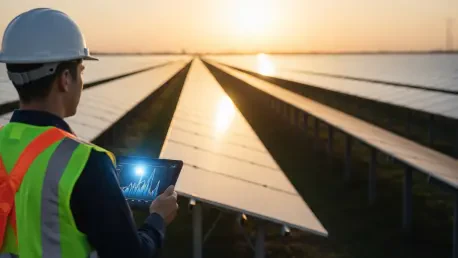
Community solar represents a pivotal shift in how urban populations interact with the electrical grid and renewable resources. CPS Energy partnered with local entities to develop large-scale solar arrays situated in open fields, which effectively act as shared power plants for thousands of individual subscribers. Unlike traditional rooftop systems that necessitate structural integrity checks and long-term maintenance by the homeowner, these community projects are managed professionally, ensuring peak efficiency and longevity. Subscribers can buy or lease individual panels within these larger arrays, which then feed electricity into the main grid. The utility tracks the output of these specific panels and applies a proportional credit to the participant’s account. This mechanism is particularly beneficial in a city like San Antonio, where a significant portion of the population resides in multi-family housing. By removing the physical requirement for a roof, the utility has removed the single largest barrier to wide adoption.
The economic implications of this decentralized model extend far beyond simple bill credits, as they foster a more resilient and predictable local energy market. When residents invest in community solar, they are essentially locking in a portion of their energy costs at a fixed rate, protecting themselves against the volatility of fossil fuel prices and global supply chain disruptions. Furthermore, these large-scale installations are strategically placed to maximize sunlight exposure and minimize land use conflicts, often utilizing marginal land that would otherwise remain unproductive. CPS Energy has planned a significant expansion of these arrays from 2026 to 2028, aiming to double the existing capacity. This transparency builds trust and encourages more residents to transition away from traditional power sources. As the utility continues to expand these farms, the economies of scale further reduce the entry cost for new participants, ensuring the program remains sustainable and highly effective for every customer.
Inclusive Growth: Breaking Barriers and Building Resilience
Addressing the energy burden of low-income households requires proactive financial structures that mitigate risk and upfront costs, such as the specialized Solar for All program. This initiative specifically targets residents who might struggle with high utility bills but lack the credit score or savings to install solar panels independently. In this specific framework, the utility covers the installation and maintenance costs on the customer’s roof, while the customer receives a guaranteed reduction in their monthly bill. This creates a win-win scenario where the utility gains a distributed generation asset and the resident gains immediate financial relief without any debt obligation. This approach is vital because low-income families often spend a disproportionately high percentage of their earnings on utilities, a phenomenon known as energy poverty. By providing localized solar solutions, the organization is not only reducing carbon emissions but also acting as a stabilizer for the local economy, ensuring the transition is a tool for social equity.
Successful democratization of renewable energy was achieved by prioritizing accessibility over exclusivity and long-term community resilience over short-term profits. Stakeholders focused on policy frameworks that protected the rights of solar owners and ensured that grid maintenance costs were shared fairly without penalizing low-income participants. Future initiatives looked toward expanding neighborhood-scale microgrids that could operate independently during larger grid failures, providing a safety net for essential services. Municipalities seeking to replicate this success engaged in transparent dialogue with community leaders to identify specific local barriers, whether they were regulatory hurdles or a lack of awareness. The transition demonstrated that when a utility treated its customers as partners, it mobilized a collective effort toward a sustainable future. Moving forward, the integration of solar with other emerging technologies like electric vehicle charging networks provided even more opportunities for residents to lower their footprints and costs.