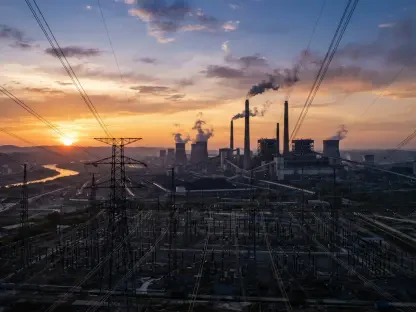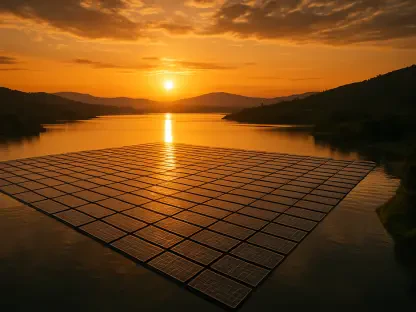

South Korea is currently grappling with a lopsided energy transition where the overwhelming dominance of solar power creates significant stability risks for the national power grid during non-daylight hours. The pursuit of a carbon-neutral economy has led to a rapid expansion of renewable infrastructure, yet the current portfolio remains heavily skewed toward a single source. While the total renewable capacity reached approximately 41.41 GW recently, the vast majority of this output is derived from solar installations. In contrast, wind power accounts for a marginal 6.2% of the total mix, representing a significant underutilization of a vital resource.
This technological imbalance forces a heavy reliance on fossil fuels like liquefied natural gas (LNG) to stabilize the grid when solar generation inevitably drops off at sunset. The current situation highlights an urgent need for a more diversified and reliable energy strategy that incorporates 24-hour generation. Without a significant increase in wind capacity, the nation remains vulnerable to daily generation swings that require expensive and carbon-intensive backup solutions.
The Current Landscape of South Korea’s Renewable Energy Transition
The existing renewable energy profile is characterized by a “chronic problem” where energy generation fluctuates wildly depending on the time of day. While solar power provides a substantial boost during peak daylight hours, it leaves a massive deficit during the night and in overcast conditions. This volatility complicates grid management and necessitates the maintenance of a parallel fossil fuel infrastructure to prevent blackouts.
Moreover, the heavy concentration of solar projects has reached a point of diminishing returns regarding grid stability. To move forward, the industry must transition from a solar-centric model to a balanced approach that leverages the consistent energy production of wind turbines. This shift is not merely an environmental goal but a technical requirement for a modern, resilient power system.
Driving Forces and Market Projections for a Diversified Energy Portfolio
The push for diversification is driven by the need to harmonize energy production with consumption patterns. Market experts suggest that a more varied portfolio will lower the long-term costs of grid balancing.
Synergy Between Solar and Wind: A Strategic Industry Trend
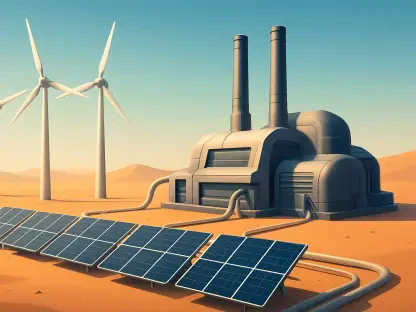
A strategic trend shaping the sector is the move toward a “tandem” growth model, which integrates wind turbines that operate around the clock with daytime-dependent solar panels. By utilizing both sources, the national grid can mitigate the inherent intermittency of renewable energy. Research indicates a geographical and seasonal complementarity where wind energy peaks during the winter and overnight hours, perfectly offsetting the summer and midday peaks of solar power.
Furthermore, integrating these two sources narrows the daily swings in electricity generation. This move toward a hybrid energy profile is essential for ensuring a steady baseline of electricity that does not rely on sun exposure. European leaders have already demonstrated that this tandem approach is the most effective way to manage a high-penetration renewable grid.
Statistical Benchmarks and Growth Projections for the Wind Sector
Market data suggests that the nation must aim for a wind power ratio that more closely reflects international success stories. Germany, for example, has maintained wind at roughly 40% of its renewable mix for over a decade, providing a template for stability. Projections indicate that from 2026 to 2030, a shift toward offshore wind could significantly reduce the cost of energy storage.
As the government pivots its focus, the industry anticipates a surge in investment toward high-capacity turbines. These systems are capable of capturing the consistent winds found in mid-latitude coastal regions. Focusing on wind energy allows the nation to meet its climate targets while keeping the national power grid secure and predictable.
Navigating the Technical and Geographical Hurdles of Wind Expansion
Expanding wind capacity is fraught with logistical and environmental complexities due to the mountainous terrain of the peninsula. Onshore projects are often stymied by strict regulations aimed at forest preservation, which limit available land for large-scale arrays. These constraints make it difficult to achieve the scale necessary to balance the solar-heavy mix using land-based sites alone.
To overcome these obstacles, the industry is shifting its focus toward the sea. Offshore wind serves as a viable strategy to bypass land-use conflicts and site turbines in areas with higher, more consistent wind speeds. Developing the necessary subsea cabling remains a primary challenge, but it is a prerequisite for stabilizing the national power grid.
Strengthening the Policy Framework for Offshore Wind Development
The regulatory landscape is evolving to facilitate the transition from small-scale onshore projects to massive offshore developments. Significant legislative efforts were introduced to streamline the permitting process, which previously involved multiple government agencies and local stakeholders. Establishing clear standards for maritime space use has become a priority for attracting major market players.
By aligning local compliance measures with international safety and efficiency standards, the country can ensure long-term security. Providing regulatory certainty is essential for the massive capital investments required for offshore projects. Streamlined policies will allow for faster deployment of wind farms along the extensive coastline.
Charting the Path Forward: Offshore Innovation and Grid Stability
The future of the energy sector lies in the untapped potential of three-sided coastal access. Emerging technologies in floating offshore wind turbines are expected to be major market disruptors, allowing for energy generation in deeper waters where wind speeds are most consistent. These innovations enable the placement of turbines further from the shore, reducing visual impact and increasing efficiency.
As innovation continues to drive down the cost of offshore installation, consumer preferences are likely to shift toward these reliable green sources. A future-ready grid will require the integration of advanced energy management systems that can seamlessly toggle between solar and wind inputs. This resilience ensures a steady power supply regardless of weather patterns or the time of day.
Strategic Recommendations for a Resilient and Balanced Power Grid
The analysis showed that a decisive pivot toward wind power was the most effective way to correct the existing solar-heavy imbalance. By adopting a diversified strategy that prioritized offshore wind, the nation moved to enhance its grid stability and reduced its reliance on expensive energy storage systems. Strategic investments were directed toward the development of high-efficiency turbines specifically designed for the unique geography of the peninsula.
Ultimately, achieving a balanced energy mix secured the national power supply and established a framework for long-term renewable growth. Authorities effectively prioritized the development of subsea transmission networks to facilitate the transition to offshore sources. These actions ensured that the energy infrastructure remained resilient and capable of supporting a modern, carbon-neutral economy.