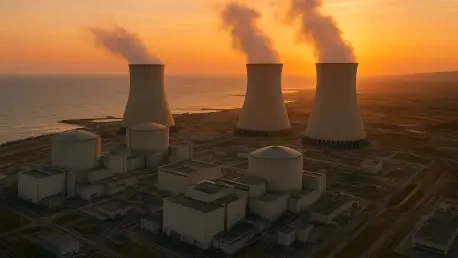

The sequential decommissioning of the UK’s aging nuclear fleet provides a unique opportunity for the NDA to refine industrial processes and increase cross-site efficiency. This shift is most prominently seen in the formal transfer of the Hinkley Point B power station from EDF Energy to the Nuclear Decommissioning Authority. Established in 1976 as the first Advanced Gas-cooled Reactor of British design, this Somerset facility operated for forty-six years, producing enough low-carbon electricity to power every home in the South West for over three decades. This transition marks a strategic pivot point where the national focus moves from energy generation to the complex, long-term task of environmental restoration. This handover is more than an administrative change; it is the conclusion of a historic chapter in British engineering and the commencement of a sophisticated industrial mission that ensures the site’s legacy of service continues through safe management.
Transitioning the Workforce and Technical Expertise
Preserving Institutional Knowledge and Regional Employment
A vital part of the handover process involves the transition of approximately 250 highly skilled nuclear professionals from EDF to Nuclear Restoration Services, a subsidiary of the NDA. By moving these employees into the new organizational structure, the NDA ensures that the specialized institutional knowledge required to dismantle the facility remains on-site. This strategy prevents the loss of critical expertise and maintains the technical continuity necessary for such a high-stakes engineering project.
Furthermore, the retention of these well-paid positions provides a stable economic foundation for the Somerset community. In the transition from power generation to decommissioning, maintaining high-level employment helps mitigate the economic fluctuations associated with the closure of major infrastructure. The specialized nature of the work ensures that the region remains a center for nuclear excellence, supporting local businesses and maintaining the industrial vibrancy of the area.
Executing Complex Defueling and Logistics Operations
The formal handover was preceded by a massive engineering campaign to defuel the station’s two reactors. This involved the careful removal and packaging of over 4,900 spent fuel elements into high-integrity transport flasks, a process completed safely and according to the project’s strict budgetary constraints. These materials were subsequently moved via rail to the Sellafield site in Cumbria for long-term storage and management. This achievement highlighted the technical proficiency of the site’s operational teams.
This complex logistical effort was made possible through a deep integration of various national agencies and regulatory bodies. The Office for Nuclear Regulation worked alongside Nuclear Transport Solutions to ensure that every stage of the defueling process met the highest safety and environmental standards. This level of cross-sector collaboration serves as a successful proof of concept for the logistics required in the decommissioning of future Advanced Gas-cooled Reactor sites.
Economic Impacts and Strategic National Planning
Evaluating the Long-Term Economic Contribution of Decommissioning
While Hinkley Point B generated an estimated £15 billion in value during its generating life, its role as a regional economic engine is far from over. Decommissioning is now recognized as a major industrial sector that provides decades of sustained economic activity through high-value contracts and supply chain development. Projections from the neighboring Hinkley Point A site suggest that restoration efforts can contribute tens of millions of pounds to the local economy annually, ensuring that nuclear sites remain assets for their host communities.
The management of these financial resources is overseen by the Nuclear Liabilities Fund, which provides the necessary capital to ensure the decommissioning mission is fully funded and transparent. This structure gives the public and the private sector confidence that the cleanup will be managed professionally over several decades. By viewing decommissioning as a productive phase, the UK is leveraging its nuclear heritage to drive regional growth and specialized industrial innovation.
Establishing a Blueprint for the UK’s Aging Nuclear Fleet
The transfer of Hinkley Point B is a centerpiece of a broader national strategy to manage the United Kingdom’s legacy of aging nuclear stations. Following the earlier handover of Hunterston B, this project establishes a standardized methodology that will be applied to other sites, including Dungeness B, Hartlepool, and Torness. This sequential approach allows the NDA to refine its dismantling techniques and safety protocols, applying lessons learned from Somerset to increase the efficiency of future closures.
This fleet-wide perspective enables the optimization of shared resources and specialized equipment across the country. By creating a repeatable blueprint for reactor transfers, the NDA is reducing the administrative and technical hurdles traditionally associated with nuclear site transitions. This evolution in strategy moves the industry away from managing isolated projects toward a unified, national program, ensuring that the UK remains a global leader in the field of nuclear restoration.
Bridging the Legacy of the Past with Future Energy Goals
Synergies Between Decommissioning and New Nuclear Projects
The narrative of Hinkley Point B served as a vital bridge between the mid-20th-century nuclear era and the modern expansion of British energy infrastructure. While the “B” station began its final chapter of environmental restoration, the adjacent Hinkley Point C project continued its development, representing the next generation of carbon-free power. This juxtaposition highlighted a dual-track national policy that balanced the responsible cleanup of historic legacies with the largest expansion of nuclear power in a generation.
This strategy ensured that Somerset remained at the heart of the UK’s energy transition, maintaining thousands of jobs while reducing reliance on fossil fuels. The simultaneous management of decommissioning and new construction allowed for a unique exchange of industrial knowledge and site management practices. This comprehensive approach ensured that the infrastructure and workforce were already in place to support the nation’s future energy requirements and environmental goals.
Establishing Actionable Frameworks for Future Restoration
Actionable next steps identified during the transition period emphasized the need for continued investment in specialized nuclear skills and the early alignment of the local supply chain. It was essential that the lessons learned from the Hinkley Point B defueling campaign were immediately integrated into the planning for upcoming site transfers, such as Dungeness B and Hartlepool. This proactive knowledge transfer helped reduce operational risks and optimized the use of shared national resources, ensuring a more cost-effective decommissioning process across the entire fleet.
Furthermore, the project demonstrated that transparent communication with regulatory bodies and the community was fundamental to the successful handover of complex assets. By formalizing these engagement strategies, the industry ensured that public confidence remained high throughout the transition from power generation to site restoration. This disciplined approach eventually provided a definitive roadmap for the decommissioning of all reactors, securing a professional legacy for the UK.