
The global energy landscape is currently undergoing a massive shift as traditional fossil fuel reliance yields to the sophisticated precision of industrial biotechnology and molecular engineering. At the forefront of this transformation is Novonesis, a company that emerged from the strategic merger of Chr. Hansen and Novozymes to become a dominant force in the realm of biosolutions. This organization is not merely a manufacturer of specialized components; it is a catalyst for a global transition toward a low-carbon economy by leveraging the immense potential of microorganisms and enzymes. By integrating advanced biological tools across diverse industrial sectors, the entity aims to redefine how the world produces energy and manages resources. The foundational corporate philosophy, often referred to as Planetary Health, emphasizes a necessary harmony between industrial productivity and environmental stewardship. This vision goes beyond traditional sustainability by focusing on maximizing the efficiency of every raw material used in production, ensuring that energy output is increased while the overall environmental footprint is drastically reduced. Through this lens, the company views biological innovation as the primary driver for creating a resilient and sustainable future for global industries.
Strategic Partnerships: Driving Market Transformation in Vietnam
The collaborative efforts between Novonesis and Nhà Xanh Vietnam serve as a significant case study in how regional energy transitions are being realized through targeted biological application. This partnership is instrumental in revitalizing the domestic bioethanol industry in Vietnam, particularly as the nation intensifies its commitment to E10 fuel blending mandates. By integrating high-performance enzymes into the production cycle, the collaboration ensures that ethanol plants can operate with higher efficiency and lower waste. This move is a direct response to the increasing demand for renewable fuels that can seamlessly integrate into existing transportation infrastructure without requiring costly overhauls of vehicle engines. The focus remains on transforming the local energy market from one dependent on volatile international oil prices to a more stable, bio-based system that utilizes the biological wealth inherent in the region’s agricultural sector. This transition is not only an environmental necessity but a strategic economic shift that empowers local stakeholders and reinforces the stability of the regional energy supply chain.
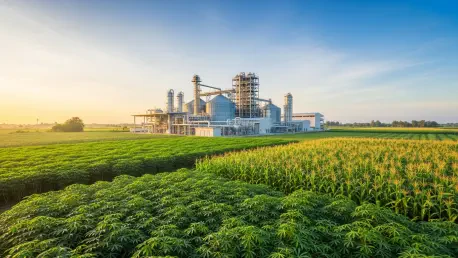
By focusing on agricultural feedstocks such as cassava and corn, the partnership directly supports national energy security while providing a robust economic foundation for rural communities. Cassava, a staple crop in Southeast Asia, often experiences price volatility and limited market access for small-scale farmers, but the steady demand created by bioethanol production offers a reliable financial safety net. The application of advanced biological solutions allows for significantly higher ethanol yields from these raw materials, making the process more lucrative for both the processors and the cultivators. This creates a self-sustaining cycle where increased productivity leads to higher farmer incomes, which in turn encourages better agricultural practices and consistent supply. Furthermore, by reducing the necessity for imported fossil fuels, Vietnam is able to retain more capital within its borders, reinvesting those funds into further technological development and infrastructure. The localized nature of this production model ensures that the benefits of the bio-economy are distributed across the rural landscape, fostering economic resilience in areas that have historically been left behind by urban-centric industrial growth.
Technical Innovation: Enhancing Fermentation and Yield Efficiency
In the complex environment of an industrial biorefinery, consistency is often the most difficult metric to maintain, yet it is the most critical for financial viability. Novonesis addresses this challenge through the development of specialized enzymes and yeasts that are specifically engineered to stabilize the fermentation process. Agricultural feedstocks are inherently variable; the starch content of cassava or the sugar levels in corn can fluctuate based on seasonal weather patterns, soil health, and harvesting techniques. Advanced biological tools act as a stabilizing force, ensuring that despite these natural variations, the fermentation process remains robust and predictable. These engineered microorganisms are designed to be more resilient to the stresses of high-temperature fermentation and the presence of organic acids, which typically inhibit standard yeast strains. By maintaining a high level of performance even under suboptimal conditions, these solutions prevent the costly failure of fermentation batches, thereby protecting the thin margins that define the renewable energy sector and ensuring that bioethanol production remains a reliable industrial endeavor.
The economic viability of renewable fuels is directly tied to the concept of yield-per-ton, a metric that measures the efficiency of converting raw biomass into usable energy. Through the application of cutting-edge biotechnology, Novonesis enables producers to extract every possible molecule of fermentable sugar from their feedstock, thereby maximizing the output for every unit of input. This level of efficiency is what allows bioethanol to compete effectively with traditional petroleum-based fuels, especially as carbon pricing and environmental regulations become more stringent. High-yield processes reduce the land-use requirements for energy crops, addressing concerns about agricultural expansion and resource depletion. When a biorefinery can produce more fuel from the same amount of grain or tuber, the overall cost of production drops, making sustainable energy more accessible to the general public. Reliability in these industrial processes also translates to lower insurance and capital costs for investors, as the risk of production downtime or low-quality output is significantly mitigated by the precision of modern enzymatic treatments.
The Shift Toward Sustainability: Second-Generation Biofuel Solutions
The evolution of the biofuels industry is currently marked by a strategic pivot from first-generation sources, which rely on food crops, to second-generation solutions that utilize non-food waste and agricultural residues. This shift is essential for ensuring that the production of renewable energy does not compete with global food security, a concern that has historically hampered the large-scale adoption of bio-based fuels. Novonesis is at the forefront of this transition, conducting extensive research into the conversion of woody biomass, rice husks, and corn stover into high-grade ethanol. These materials, which were once considered waste products or left to decompose in fields, are now viewed as valuable assets in the quest for a circular economy. The development of lignocellulosic technology allows for the breakdown of the complex fibers found in these residues, unlocking the sugars trapped within the plant’s structural components. This not only expands the available pool of feedstock but also significantly lowers the carbon intensity of the resulting fuel, as it utilizes materials that are already part of the existing agricultural carbon cycle.
Breaking down the tough, fibrous structure of lignocellulosic biomass requires a level of enzymatic power that goes far beyond what is needed for simple starches or sugars. Specialized enzymes have been developed to target the lignin and cellulose bonds, making the process of converting plant waste into fuel both technically feasible and economically attractive. This technological breakthrough is a critical component in resolving the food versus fuel debate, as it allows energy production to exist in synergy with the food industry rather than in competition. By using the residues of food production—such as the stalks and leaves that remain after a harvest—biorefineries can add a new layer of value to existing agricultural operations. This approach also reduces the environmental impact of waste disposal, as agricultural residues that might otherwise be burned, contributing to air pollution, are instead captured and converted into clean-burning energy. The expansion into second-generation biofuels represents a more mature phase of the bio-economy, where resource efficiency is prioritized and every byproduct of human activity is considered a potential source of energy.
Regional Growth: Navigating Policies and Growth Engines in Asia
The Asia-Pacific region has established itself as the primary growth engine for the global biofuels market, driven by a combination of rapid urbanization and an urgent need for sustainable energy alternatives. To navigate this diverse and fast-moving landscape, Novonesis employs a strategy that combines a vast global production network with specialized on-the-ground technical expertise. This “glocal” approach allows the company to tailor its biological solutions to the specific agricultural profiles and energy requirements of individual countries, from the palm-based industries in Indonesia to the cassava-driven markets of Thailand and Vietnam. By maintaining a local presence, the organization can provide immediate technical support to refinery operators, helping them optimize their processes in real-time. This localized knowledge is crucial for overcoming the unique logistical and environmental challenges found in different parts of the region, ensuring that the technology is not just innovative in a laboratory setting but also effective and scalable in actual industrial applications across various climates and infrastructures.
While technological innovation provides the tools for change, the speed and scale of the energy transition are heavily influenced by government mandates and clear regulatory frameworks. In many Asia-Pacific nations, ambitious targets for renewable energy and fuel blending are driving large-scale industrial investment, creating a predictable market for bio-based products. Clear policy frameworks, such as tax incentives for green technology and expedited approval processes for new biorefineries, are essential for ensuring that sustainable fuels can compete on a level playing field with the established petroleum industry. These government actions provide the necessary confidence for private investors to commit capital to long-term infrastructure projects. Furthermore, the implementation of carbon intensity standards helps to differentiate between various fuel sources, rewarding those that offer the greatest environmental benefits. As regional governments continue to refine their energy strategies, the synergy between public policy and private innovation remains the most effective way to accelerate the adoption of biofuels and achieve large-scale decarbonization goals across the continent.
Beyond Bioethanol: Diversifying the Future of the Bio-Based Economy
The long-term vision for the bio-economy extends far beyond the production of ethanol for road transport, reaching into high-stakes sectors such as aviation and chemical manufacturing. Sustainable Aviation Fuel (SAF) has emerged as one of the most promising applications for bio-based technology, as the aviation industry seeks ways to reduce its heavy carbon footprint without abandoning liquid fuels. Bioethanol serves as a foundational building block for SAF through the alcohol-to-jet pathway, a process that converts refined ethanol into high-energy aviation fuel that meets stringent safety and performance standards. This development is particularly important because electric propulsion and hydrogen fuel cells are not yet viable for long-haul commercial flights, leaving bio-based fuels as the primary solution for decarbonizing the skies. By diversifying the applications of bio-based materials, the industry is creating a more resilient market that is less dependent on any single sector, ensuring that the infrastructure built today remains relevant as the global energy mix continues to evolve toward total sustainability.
The transition toward a circular supply chain was further accelerated by the development of biopolymers and sustainable chemicals derived from the same biological processes used in fuel production. These bio-based materials are increasingly being used to replace petroleum-derived plastics and industrial chemicals, offering a pathway toward a future where products are grown rather than extracted. The realization that biological solutions offered a pathway to energy autonomy prompted a swift redirection of capital toward advanced refinery infrastructure from 2026 to 2030. Industry leaders recognized that the integration of diverse product streams—ranging from fuels to high-value chemicals—was the most effective way to ensure the financial stability of the bio-economy. As a result, the focus shifted from simple energy production to the creation of integrated bio-refineries that functioned as the heart of a new industrial paradigm. This strategic evolution provided a clear roadmap for stakeholders, highlighting the necessity of continued investment in enzymatic research to unlock the full potential of renewable resources for generations to come.