
Deep beneath the American landscape lies a reservoir of thermal energy so vast it could theoretically satisfy the nation’s entire electricity demand for several centuries without emitting a single gram of carbon dioxide. While traditional geothermal power has historically been confined to specific hotspots like the geysers in California, recent breakthroughs in Enhanced Geothermal Systems are radically expanding the technology’s geographic reach. By leveraging hydraulic fracturing and horizontal drilling techniques perfected during the shale revolution, companies like Fervo Energy are successfully creating artificial reservoirs in basement rock that was previously considered unreachable. This shift transforms geothermal from a niche western resource into a ubiquitous baseload solution capable of complementing intermittent wind and solar. As the Department of Energy accelerates its Earthshot initiative to reduce costs, the prospect of ubiquitous power moves from a dream into a reality for the national grid.
Evolution: Drilling Technologies and Advanced Techniques
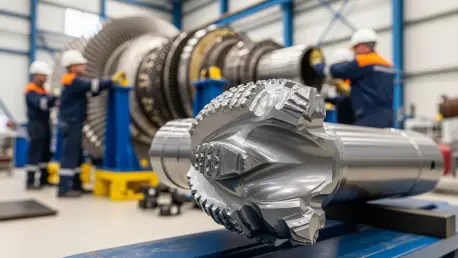
The fundamental shift in geothermal feasibility stems from the adoption of precision drilling technology that allows operators to navigate complex subterranean structures with surgical accuracy. By utilizing polycrystalline diamond compact drill bits and advanced telemetry, developers can now penetrate hard crystalline rock at depths exceeding ten thousand feet where temperatures consistently exceed four hundred degrees Fahrenheit. This capability is essential for creating the interconnected fractures necessary for fluid circulation in EGS deployments. Once these fractures are established, water or specialized working fluids are pumped through the rock to absorb heat before returning to the surface to drive steam turbines. Unlike older hydrothermal methods that rely on natural steam pockets, this engineered approach allows for controlled heat extraction, providing a steady and predictable power output. These systems minimize the risk of induced seismicity while maximizing efficiency for long-term project viability.
Alternative approaches to heat extraction involve closed-loop systems that eliminate the need for direct contact between the working fluid and the surrounding rock formations. Companies such as Eavor utilize a design where fluid circulates through a sealed network of boreholes, absorbing heat through conduction alone. This method is particularly attractive in regions with sensitive groundwater or complex regulatory environments where fluid injection is restricted. Furthermore, the exploration of supercritical geothermal resources—where water reaches a state of high temperature and pressure—promises to increase the power density of wells by an order of magnitude. If successful, a single supercritical well could produce as much electricity as ten traditional geothermal wells, drastically reducing the physical footprint of power plants. These engineering milestones are proving that the subsurface can be managed like a massive thermal battery, providing the flexibility needed to stabilize a national energy grid.
Integration: Infrastructure and the Strategic Path Forward
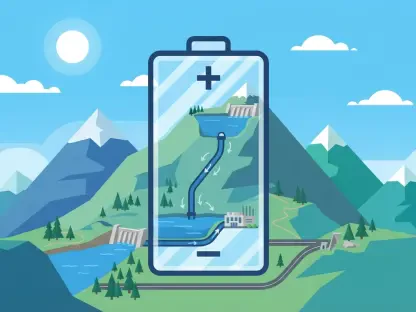
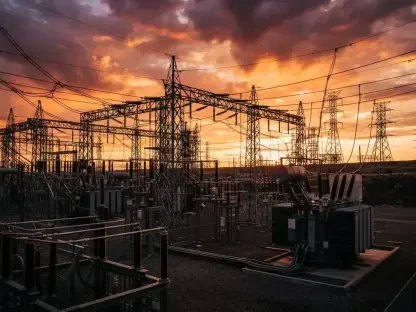
Scaling these technologies to a national level involved addressing the persistent bottlenecks in permitting and transmission infrastructure that initially hindered rapid deployment. Innovative startups like Sage Geosystems demonstrated how geothermal wells could double as massive mechanical batteries by utilizing the elasticity of rock formations to store energy. Federal agencies successfully implemented Categorical Exclusions for geothermal exploration, mirroring the fast-track processes that previously catalyzed the growth of the domestic oil and gas sectors. Additionally, the strategic location of geothermal plants near existing coal or gas facilities allowed for the reuse of existing transmission lines, reducing the need for costly new grid expansions. This repowering strategy leveraged retired fossil fuel assets to host clean geothermal turbines, preserving local jobs while modernizing the energy landscape. Integrating geothermal into the broader energy policy framework ensured the transition was viable.
The successful integration of next-generation geothermal into the American energy mix required a coordinated effort between private developers and federal regulators to mitigate early-stage drilling risks. Stakeholders prioritized the establishment of a robust national subsurface data repository, which enabled companies to identify high-potential sites with greater certainty. Engineers also developed advanced monitoring systems that used fiber-optic sensing to track reservoir health in real-time, preventing the thermal depletion that had plagued older sites. These steps ensured that geothermal power evolved from an experimental technology into a cornerstone of the national strategy for energy security. Future initiatives focused on the co-production of critical minerals, such as lithium, from geothermal brines to create a secondary revenue stream. By treating the Earth’s internal heat as a strategic national resource, the United States established a template for energy independence.