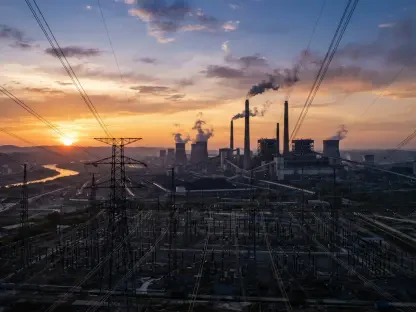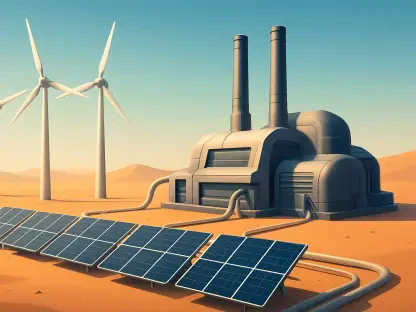

The global energy sector is currently undergoing a radical transition from centralized, manual power systems toward highly sophisticated, digital, two-way networks. This metamorphosis is not merely a matter of technological convenience but a critical necessity for achieving deep decarbonization while managing the substantial surge in renewable energy and electric vehicle adoption. As the worldwide demand for electricity continues to escalate, these intelligent systems have emerged as the foundational infrastructure of a resilient power supply capable of adapting to the complexities of the modern era. By replacing aging components with sensors and automation, utilities can now address the challenges of energy variability and grid stability with unprecedented precision. This shift ensures that the electrical architecture remains robust even as the primary sources of generation move away from predictable fossil fuels toward the more fluctuate nature of wind and solar power.
The Mechanics: Intelligence and Market Evolution
Modern grid infrastructure operates as an advanced digital nervous system that integrates artificial intelligence and the Internet of Things to provide real-time visibility into energy consumption patterns. Unlike traditional electricity grids that functioned on a linear, one-way delivery model, these contemporary networks facilitate a constant exchange of data between end-user appliances and utility control centers. This bidirectional communication allows the system to detect irregularities instantly, enabling self-correcting mechanisms that can isolate faults and minimize the duration of power outages. Furthermore, the integration of intelligent software helps in balancing the intermittent energy supply from renewable sources, ensuring that the grid remains stable regardless of weather conditions. This technological sophistication is transforming the grid from a passive delivery mechanism into an active participant in the energy management process, providing the flexibility needed for a greener future.
Driven by aggressive climate policies and the rapid expansion of electric vehicle charging networks, the financial landscape of this industry is experiencing an extraordinary period of growth. Market projections suggest that the sector will expand from a valuation of approximately $65 billion to more than $278 billion within the next decade, reflecting a global commitment to infrastructure modernization. Governments are increasingly prioritizing the development of smart city initiatives, which rely heavily on these intelligent networks to manage high-density energy needs without overtaxing existing equipment. As urban populations continue to rise, the deployment of advanced metering and automated distribution systems becomes essential for maintaining operational efficiency and reliability. This massive capital investment is fostering a competitive environment where technological innovation thrives, ultimately lowering the costs associated with grid maintenance and energy distribution for consumers and providers alike.
Corporate Leadership: Driving Infrastructure Innovation
Technological giants such as ABB and Siemens are currently leading the charge in developing the sophisticated hardware and software required for self-healing electrical grids. These companies have pioneered the use of automated distribution systems that identify and reroute power around localized failures before they can escalate into widespread blackouts. Their advancements in substation automation and high-voltage direct current technology are particularly vital as power companies transition from coal and gas toward more complex renewable portfolios. By providing the tools for constant monitoring and rapid response, these firms ensure that the grid remains reliable despite the inherent volatility of green energy sources. This level of reliability is critical for industrial sectors that cannot afford even a few seconds of downtime, thereby positioning smart grid technology as a cornerstone of modern economic stability and industrial productivity.
In addition to large-scale transmission solutions, firms like Schneider Electric, Hitachi Energy, and GE are focusing on making localized energy management more sustainable and accessible. These organizations provide the essential software platforms needed to integrate distributed energy resources, such as residential solar panels and community-based battery storage, into the primary grid. Through the use of advanced predictive analytics and asset performance management tools, utilities can now optimize the lifespan of their physical equipment and identify maintenance needs before costly breakdowns occur. This proactive approach to infrastructure management significantly reduces operational expenses and enhances the overall efficiency of the energy lifecycle. By empowering local utilities with high-fidelity data, these companies are facilitating a more granular level of control that supports the widespread adoption of clean energy while ensuring that the grid remains balanced at every level.
Decentralization: The Rise of the Prosumer
The traditional relationship between utilities and consumers is being fundamentally redefined by the rise of the prosumer, an individual who both consumes and generates electricity. With the increasing affordability of residential solar installations and home energy storage systems, energy production is no longer confined to a handful of massive, centralized power plants. Electric vehicle batteries are also playing a transformative role, as vehicle-to-grid technology allows owners to discharge stored power back into their homes or the local grid during periods of peak demand. This decentralized model creates a more resilient energy ecosystem where localized resources can support the broader network during times of stress. By diversifying the sources of power generation, smart grids can better handle the fluctuations in load that occur throughout the day, ultimately reducing the reliance on carbon-heavy peaking plants that were traditionally used to manage high demand.
While North America and Europe have long been at the forefront of grid modernization, the Asia Pacific region is currently experiencing the most rapid rate of expansion and development. Massive smart city projects in countries like China and India are utilizing digital twins and predictive modeling to design urban environments that are inherently energy efficient. These digital twins allow engineers to simulate various scenarios and optimize grid performance before physical assets are even deployed, significantly reducing the risks associated with large-scale infrastructure projects. This technological leapfrogging ensures that emerging economies are building energy systems that are cleaner, more secure, and fully prepared for an all-electric future. As these regions continue to invest in intelligent infrastructure, they are setting new global benchmarks for how technology can be used to achieve both economic growth and environmental sustainability in an increasingly electrified world.
Strategic Imperatives: Next Steps for Energy Stability
The transition to intelligent power systems demonstrated that the old methods of manual grid management were insufficient for a world demanding high reliability and low carbon emissions. Stakeholders realized that the integration of digital tools was the only way to facilitate the widespread use of renewable energy while maintaining the stability of the global power supply. In the past few years, the successful deployment of automated sensors and predictive software significantly reduced the frequency of long-term outages and improved the overall responsiveness of the electrical network. This shift proved that investments in digital infrastructure were not just costs but essential upgrades that provided long-term economic and environmental dividends. The lessons learned during this period of rapid evolution highlighted the importance of standardized protocols and cross-border cooperation in building a cohesive and resilient global energy landscape.
To ensure continued progress, policymakers must now prioritize the creation of standardized regulatory frameworks that encourage private investment in grid modernization and decentralized energy projects. Expanding the use of data-sharing agreements between utilities and technology providers will be crucial for refining the predictive algorithms that keep the grid stable during extreme weather events. Furthermore, investment in cybersecurity must remain a top priority, as the digitalization of the energy sector introduces new vulnerabilities that could be exploited if not properly addressed. Public-private partnerships should focus on developing local microgrids that can operate independently during emergencies, providing a second layer of security for critical infrastructure like hospitals and water treatment plants. By taking these actionable steps, the global community can solidify the gains made in grid intelligence and ensure a transition to a cleaner, more reliable energy future for everyone.