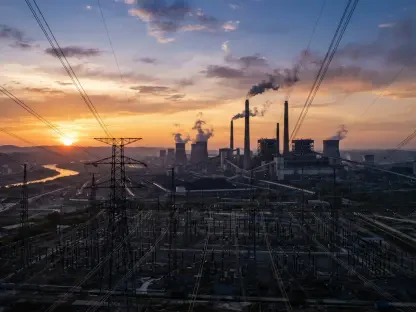

The jagged, terraced landscapes of the Lewis Ridge mine in Kentucky are no longer defined by the dust of extraction but are instead becoming a central pillar of the modern renewable energy infrastructure through a massive transformation project. This shift represents a profound evolution in how industrial sites are perceived, moving from liabilities of the fossil fuel era to strategic assets for the carbon-free future of the national power grid. By repurposing a former coal mine into a closed-loop pumped storage hydropower facility, engineers are effectively creating a massive natural battery capable of storing excess energy when production is high and releasing it during periods of peak demand. This specific project, which has gained significant traction since 2026, serves as a blueprint for the conversion of thousands of similar brownfield sites across the United States. The integration of high-capacity storage within regions traditionally dominated by coal provides a unique opportunity to maintain energy reliability while fostering new industrial growth.
Engineering Efficiency: Utilizing Legacy Mining Topography
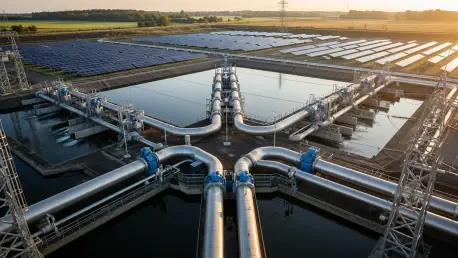
Leveraging the existing elevation changes of a reclaimed surface mine allows for a more cost-effective and environmentally friendly construction of pumped storage systems compared to traditional greenfield projects. In a closed-loop system, two reservoirs are constructed at different altitudes, connected by a tunnel containing massive turbines that act as both pumps and generators. When the regional electrical grid has a surplus of wind or solar power, the system uses that electricity to pump water from the lower reservoir to the upper one. When the demand for power spikes, the water is released back down, spinning the turbines to generate electricity instantly. This mechanism provides long-duration energy storage, which is critical for balancing the intermittent nature of modern renewables. Because the site already possesses much of the necessary geological stability and road access from its mining days, the developmental timeline is significantly accelerated for these types of builds throughout the country.
Beyond the mechanical energy storage, the environmental rehabilitation of the Lewis Ridge site involves complex engineering to ensure that the water cycle remains isolated from local groundwater sources and any residual mineral runoff. Specialized liners and advanced filtration systems are being implemented to prevent contamination, turning a site that once posed ecological risks into a controlled, clean industrial zone. This process also utilizes the existing transmission infrastructure that was originally built to move coal-fired power, drastically reducing the need for new, controversial cross-country power lines. By tapping into these legacy connections, the project avoids many of the regulatory hurdles and land-use conflicts that typically plague large-scale energy developments. The focus on reusing industrial landscapes ensures that the footprint of the clean energy transition remains localized to areas already impacted by human activity, preserving pristine wilderness and agricultural lands for future generations.
Economic Transition: Integrating Workforce and Grid Stability
The transformation of coal country is not merely a technical endeavor but a critical socioeconomic maneuver designed to retain high-paying industrial jobs within communities that have long depended on the extraction industry. Skilled laborers who once operated heavy machinery for mining are finding that their expertise in earthmoving, blasting, and mechanical maintenance is directly transferable to the construction and operation of hydropower facilities. This transition prevents the economic hollowing out of rural counties, ensuring that the local tax base remains stable as the national energy market shifts. Regional training programs have begun focusing on these specific technical overlaps, allowing workers to pivot into the renewable sector without the need for extensive relocation. The presence of a long-term, stable energy hub attracts secondary industries, including data centers and manufacturing plants that prioritize proximity to reliable, carbon-neutral power sources for their operations.
The successful implementation of the Lewis Ridge project provided a definitive proof of concept that prompted a broader reevaluation of decommissioned industrial sites across the continent. Decision-makers recognized that the marriage of legacy infrastructure and modern storage technology offered a pragmatic path toward a carbon-neutral grid. This transition demonstrated that the most effective solutions for the climate crisis often resided in the repurposing of existing assets rather than the exclusive creation of new ones. Policy shifts encouraged private investment by streamlining the permitting processes for brownfield redevelopments, effectively lowering the financial barriers for clean energy developers. As a result, the strategy shifted from simple site remediation to active energy revitalization, turning thousands of acres of dormant land into productive nodes. Future initiatives focused on expanding this model to include other decommissioned sites, ensuring that the industrial heritage became the foundation for a sustainable future.