
The hum of a city at midnight used to be a predictable melody of streetlights and refrigeration, but in the current landscape of 2026, it has become a complex symphony of electric vehicle charging, fluctuating renewable inputs, and the immense thirst of localized data centers. While the public often focuses on generative tools for creative endeavors, a far more critical evolution is occurring within the invisible infrastructure that powers modern civilization. Utility providers and grid operators have reached a turning point where legacy statistical models are no longer sufficient to maintain stability in an increasingly decentralized energy market. The sheer volume of variables, from the intermittent output of offshore wind farms to the surge of home battery storage systems, has necessitated a move toward advanced machine learning frameworks. This shift is not merely a technical upgrade; it represents a fundamental reimagining of how energy is balanced, traded, and distributed to ensure that the lights stay on in an era of unprecedented demand and volatility.
The traditional methods for predicting electricity needs are rapidly falling out of favor because they rely on historical patterns that no longer reflect contemporary reality. In the past, forecasting was a straightforward exercise based on population growth and seasonal weather trends that remained relatively consistent over decades. However, the mass adoption of electric transportation and the expansion of the “prosumer” class—individuals who both consume and produce energy via rooftop solar—have introduced a level of supply and demand fluctuation that human analysts alone cannot manage. Furthermore, the massive power requirements of the very data centers running high-level artificial intelligence have created a feedback loop where technology must now manage the massive consumption it has helped generate. As the grid becomes more digitized and complex, the transition to automated, intelligent management systems has moved from being a luxury to a baseline requirement for national energy security.
Advanced Analytics and Infrastructure Resilience
The Shift Toward Adaptive Machine Learning: Beyond Static Formulas
The primary flaw in conventional energy forecasting has always been its reliance on fixed mathematical formulas that struggle to account for rapid, non-linear changes in environmental conditions. Machine learning takes a radically different approach by ingesting vast amounts of real-time data to identify evolving patterns rather than following a rigid set of rules provided by a human programmer. In 2026, state-of-the-art neural networks are capable of evaluating thousands of variables simultaneously, including hyper-local humidity levels, industrial production schedules, and even real-time cloud movement across solar arrays. This allows the system to refine its accuracy every few seconds, effectively learning the new normal of a shifting energy landscape without the need for manual updates. By moving away from retrospective analysis, utility providers can now anticipate price spikes and load imbalances with a precision that was previously considered impossible, ensuring that the cost of electricity remains as stable as the supply itself.
Moreover, these adaptive models are essential for managing the integration of intermittent renewable energy sources into the primary distribution networks. In contrast to traditional coal or gas plants that provide a steady baseload, wind and solar power are inherently unpredictable, often fluctuating based on micro-climatic shifts that legacy systems fail to detect in time. Adaptive machine learning algorithms are now being used to bridge this gap by predicting “renewable lulls” hours in advance, allowing operators to spin up backup storage or adjust industrial demand through automated response programs. This capability has significantly reduced the need for “spinning reserves”—power plants that sit idle and burn fuel just in case they are needed—thereby making the entire grid more efficient and environmentally sustainable. The result is a more resilient network that can accommodate a higher percentage of green energy without risking the brownouts that were once the hallmark of an over-reliance on weather-dependent generation.
Strengthening Grid Defense: Proactive Management of Extreme Events
The increasing frequency of high-impact weather events, such as intense heatwaves and severe winter storms, has forced grid operators to adopt more aggressive defensive postures powered by predictive intelligence. In the current environment, waiting for a storm to hit before reacting is a recipe for catastrophic infrastructure failure. AI systems are now integrated with satellite imagery and historical failure data to predict exactly how a hurricane or wildfire might affect specific transmission lines and substations. By processing this information in real-time, these platforms can calculate the resulting surge in residential cooling or heating needs while simultaneously identifying the most vulnerable points in the physical network. This foresight allows maintenance crews to be pre-positioned in high-risk areas and energy reserves to be shored up long before the first snowflake falls or the temperature begins to climb into dangerous territory, preventing the cascading failures that once paralyzed entire regions.
In addition to physical protection, intelligent systems are becoming the primary line of defense against the systemic strain caused by sudden spikes in demand during these extreme events. During a 2026 heatwave, for example, an AI-driven grid can automatically coordinate with smart appliances and industrial energy management systems to subtly shift load without disrupting the comfort of the end-user. By managing millions of small adjustments—such as slightly altering the duty cycle of an air conditioner or delaying a water heater’s activation—the system can prevent the total demand from exceeding the grid’s maximum capacity. This proactive approach to load shedding is far more sophisticated than the blunt instrument of rolling blackouts used in previous decades. It ensures that critical services like hospitals and emergency response centers remain fully powered while the rest of the community contributes to stability through a series of imperceptible, automated actions orchestrated by a central intelligence.
Data Integration and Virtual Simulation
Transitioning to Predictive Grid Management: Real-Time Operational Insights
The integration of artificial intelligence is fundamentally changing how operational decisions are made by moving the entire industry from a reactive model to a predictive one. For decades, grid analysts looked at static reports and historical logs to understand what happened during the previous day or week; now, they utilize live analytical platforms that offer a clear window into what will happen in the next hour. This shift allows operators to identify potential bottlenecks and congestion points in the transmission network before they lead to service interruptions. By using time-series forecasting and anomaly detection, these systems can flag unusual patterns in energy flow that might indicate a malfunctioning component or an unauthorized tap into the line. This level of visibility ensures that the decision-makers are no longer playing catch-up with the infrastructure they manage, but are instead navigating a well-mapped landscape of upcoming energy needs and potential risks.
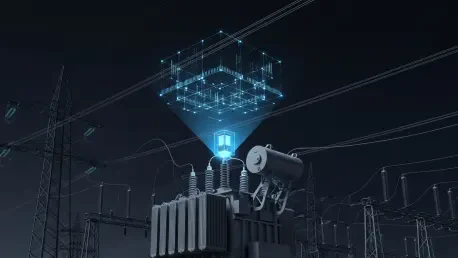
Beyond immediate grid stability, these predictive tools are revolutionizing how utility providers handle the long-term maintenance of their physical assets. Equipment such as high-voltage transformers and circuit breakers are expensive to replace and prone to wear, yet they are often maintained on a simple calendar basis rather than by actual condition. AI platforms now ingest sensor data from these components to spot the subtle signs of thermal stress or insulation degradation that precede a major failure. This transition to condition-based maintenance allows utility companies to perform repairs long before a component fails, saving millions of dollars in emergency replacement costs and avoiding the unplanned outages that frustrate consumers. By effectively extending the lifespan of existing hardware through intelligent monitoring, the energy sector is finding ways to improve reliability without necessarily requiring massive, immediate investments in entirely new physical structures.
Extracting Value: Translating Internet of Things Data into Action
The modern electrical grid is saturated with billions of sensors, ranging from residential smart meters to advanced monitors installed on industrial-scale solar farms. While this provides a wealth of information, the sheer volume of data produced every second can easily overwhelm human operators and legacy software systems. Artificial intelligence acts as a sophisticated filter and translator, converting millions of raw data points into clear, actionable intelligence that engineers can use to optimize performance. Instead of sifting through endless noise, analysts are presented with prioritized insights, such as a localized surge in demand at a specific neighborhood’s EV charging hub or a recommendation for a transformer upgrade based on current load patterns. This ensures that human expertise is focused on high-level strategy and complex problem-solving rather than being bogged down by manual data entry and information retrieval.
Furthermore, this intelligence extends to the very edge of the network, where smart meters are now capable of performing localized analysis before sending data back to the central hub. This “edge computing” approach reduces the latency of the system, allowing for near-instantaneous responses to changes in energy consumption at the household level. For instance, if a residential block experiences a sudden drop in voltage, the local AI agent can immediately adjust the distribution of energy from neighborhood-level battery storage to stabilize the situation before the central grid even needs to intervene. This decentralized intelligence is crucial for managing the millions of interconnected devices that now make up the modern energy ecosystem. By distributing the workload of grid management across a network of intelligent nodes, the energy sector has created a more flexible and responsive system that can adapt to the chaotic reality of high-density urban living.
The Path Toward Energy Intelligence
The Strategic Importance of Data Integrity: Building a Foundation for Trust
A recurring theme in the successful digitalization of the power grid is the realization that artificial intelligence is only as effective as the data it consumes. Fragmented or inaccurate information leads to flawed forecasts, which can result in either expensive energy surpluses or dangerous shortages. This reality has made data governance a top priority for energy leaders in 2026, as they work to break down silos between different departments and standardize how information is collected across the network. By ensuring that operational data is high-quality, transparent, and securely stored, utility companies can foster an environment where innovation thrives and new algorithms can be tested with confidence. This commitment to clean data serves as the foundation for the next generation of predictive systems, allowing for more reliable markets where buyers and sellers can trade energy with a high degree of certainty.
Moreover, the focus on data integrity is essential for maintaining public trust as the grid becomes more automated and reliant on algorithmic decision-making. When people understand that the systems managing their electricity are based on verifiable, accurate information, they are more likely to participate in demand-response programs and other initiatives that require shared data. This transparency also facilitates better collaboration between different utility providers and regional grid operators, who must often share information to balance energy flows across state and national borders. By establishing rigorous standards for data quality and security, the energy industry has ensured that its digital transformation is not just technically sound, but also socially and economically sustainable. This groundwork was a necessary precursor to the more advanced autonomous systems that are beginning to take over the day-to-day operations of the global energy supply.
Future Perspectives: The Achievement of Autonomous Optimization
The transformation of the electrical grid was achieved through a systematic move toward autonomous optimization, where the system learned to recommend or even execute complex actions to maintain stability. In the preceding years, the energy sector successfully transitioned from manual monitoring to a landscape where real-time partners handled the immense complexity of an electrified world. This evolution allowed factories to automatically shift production schedules to avoid high pricing periods and enabled residential battery systems to charge or discharge themselves based on the immediate needs of the local network. The integration of large language models also played a vital role, as they synthesized technical manuals and maintenance logs into actionable insights, turning technical specialists into force multipliers who focused on reliability rather than data entry. This era of energy management was defined by a shift from human-centric control to a collaborative model where intelligent systems provided the speed and precision necessary to manage a volatile, green-energy grid.
To continue this progress, the next steps for the industry must focus on deep integration and the refinement of these autonomous agents. Stakeholders should prioritize the development of cross-platform standards that allow different AI systems—from various manufacturers and utilities—to communicate seamlessly. This interoperability will be the key to creating a truly global energy internet that can balance supply and demand across vast distances. Additionally, there must be a renewed focus on “explainable AI,” ensuring that as systems become more autonomous, their decision-making processes remain transparent to human supervisors. By maintaining a clear line of sight into how the grid is being optimized, operators can ensure that safety and reliability remain the ultimate priorities. The path forward lies in embracing this digital partnership, refining the algorithms that have already stabilized the infrastructure, and preparing for a future where energy is as smart as the devices it powers.