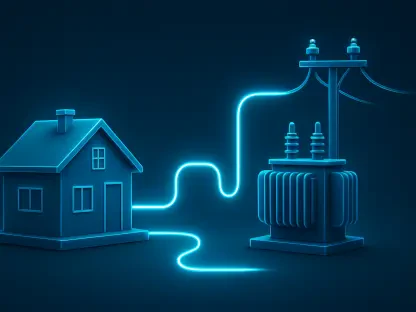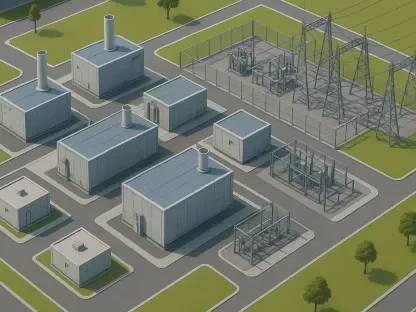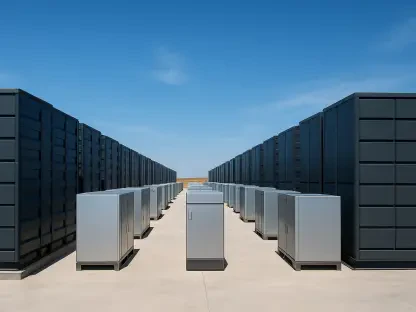

Pennsylvania’s current energy landscape is undergoing a radical transformation as massive data center installations, like the Atlas project, begin to exert unprecedented pressure on the state’s power grid and consumer pricing structures. At the heart of this controversy lies a behind-the-meter power agreement between Talen Energy and Amazon Web Services, situated at the Susquehanna Steam Electric Station. This arrangement allows the data center to draw electricity directly from the nuclear plant, bypassing the traditional transmission network and the associated fees that usually fund regional infrastructure. While this provides the tech giant with a steady stream of carbon-free energy, it creates a significant financial void in the maintenance budget of the utility grid. Critics argue that this maneuver shifts the burden of maintaining the shared electrical system onto ordinary residential and commercial ratepayers, who do not benefit from the data center’s private power deal but must still subsidize the grid’s reliability.
Regulatory Tension over Power Distribution
Shifting Financial Burdens to Residents
The financial implications of the Atlas project extend far beyond the immediate vicinity of the Susquehanna plant, impacting the broader PJM Interconnection region that serves millions of residents across Pennsylvania. When a massive industrial consumer like a data center disconnects from the public transmission system but remains physically reliant on the grid for backup and stability, it creates a phenomenon known as cost shifting. PPL Electric Utilities and other stakeholders have estimated that this specific arrangement could result in over $140 million in annual costs being redistributed to other customers. These costs are primarily associated with the regional transmission expansion plan, which ensures that electricity can be moved reliably during peak demand or generator outages. Without a fair contribution from the largest consumers, the utility companies are forced to seek rate increases through the Federal Energy Regulatory Commission, leading to a direct rise in the monthly bills of families and local small businesses.
Jurisdictional Battles at the Federal Level
Federal oversight has become the primary battleground for determining how these innovative yet disruptive energy models will be governed in the years ahead. The Federal Energy Regulatory Commission is currently reviewing multiple protests filed by utility providers and consumer advocacy groups who believe the current agreement violates the principle of cost causality. This principle dictates that those who benefit from or cause costs to the electrical system should be the ones to pay for them. Legal experts emphasize that if the Atlas project is allowed to proceed without paying for its share of transmission services, it will set a dangerous precedent for dozens of other nuclear-powered data centers across the country. Regulators are tasked with balancing the need for technological advancement and the rapid expansion of artificial intelligence against the fundamental right of citizens to access affordable energy. The outcome of these hearings will likely define the structural relationship between Big Tech and public utilities.
Strategic Infrastructure and Market Impacts
Grid Reliability and Capacity Reserves
As the demand for high-performance computing and large language models accelerates, the physical constraints of the existing power grid are becoming increasingly apparent to state planners. Data centers in 2026 require far more electricity than traditional industrial sites, often consuming enough power to rival medium-sized cities. This intense energy appetite poses a risk to grid reliability, particularly when large baseload generators like nuclear reactors are removed from the public supply pool to serve private interests. PJM Interconnection has warned that such arrangements could lead to capacity shortages during extreme weather events, as the reserve margins that once protected the region are steadily eroded by private contracts. To mitigate these risks, regional transmission organizations are exploring new capacity market rules that would require co-located loads to provide their own backup generation or pay a premium to remain connected to the collective safety net. The focus has shifted from mere production to resilience.
Implementation of Fair Usage Standards
Legislative bodies and utility commissions across Pennsylvania eventually recognized that the unregulated growth of co-located data centers posed a systemic threat to economic equity. In response to the challenges presented by the Atlas project, state lawmakers introduced comprehensive frameworks that mandated transparent reporting of all behind-the-meter energy consumption. These new standards ensured that large-scale technology companies contributed a proportionate share to the upkeep of the state’s transmission lines and emergency reserves. Furthermore, regulators established a dedicated infrastructure fund, financed by a small levy on industrial data operations, which successfully offset the projected rate hikes for low-income households. By adopting a proactive stance, the state managed to preserve its status as a technology hub while simultaneously protecting its citizens from unfair financial burdens. These measures served as a blueprint for other states facing similar pressures, proving that technological progress did not have to come at the expense of public utility affordability.