
Christopher Hailstone, a seasoned veteran in energy management and utility security, joins us to discuss the tectonic shifts currently reshaping global power markets. As we move through 2026, the world is witnessing a historic pivot in how electricity is generated and consumed, driven by an insatiable appetite for data and a rapid transition to electric mobility. With grid reliability being tested by both geopolitical friction and extreme weather, Hailstone provides the essential context needed to understand why the current surge in demand is unlike anything we have seen in decades.
Global electricity demand is accelerating, particularly driven by data centers and electric vehicles. How do these sectors redefine the pressure on our current power systems?
We are witnessing a massive acceleration in how the world consumes energy, with demand growing by 3.6% right now in 2026, and we expect that to climb even further to 3.8% next year. This isn’t just a gradual rise; we are talking about a total jump from 28,600 TWh just a year ago to a projected 30,700 TWh by 2027. You can practically feel the hum of the world’s digital infrastructure as massive data centers and the rapid rollout of electric vehicle chargers pull more from the grid than ever before. This firm upward trajectory means our infrastructure is being pushed to its limits, requiring us to think far beyond just building more power plants. It is about managing a total transformation where the “always-on” nature of AI and EVs demands a level of reliability that the old grid simply wasn’t designed to provide.
The disruptions to natural gas flows, particularly through the Strait of Hormuz, have sent shockwaves through the energy market. How are these price spikes reshaping our global energy mix?
The situation in the Strait of Hormuz has been a brutal stress test for global energy security, proving just how interconnected our systems really are. In the second quarter of 2026, we saw average spot electricity prices in the European Union and Japan surge by over 30% compared to last year, which is a staggering increase for any economy to absorb. It’s a tense atmosphere where utility managers in some regions have been forced into the difficult position of switching back to coal just to keep the lights on and costs from spiraling. While additional LNG supplies from North America have provided a vital lifeline to ease market tightness, the volatility serves as a cold reminder of our exposure to geopolitical friction. These spikes are effectively acting as a catalyst, accelerating the pivot toward renewables as nations desperately look to insulate themselves from the unpredictable swings of the global fossil fuel market.
2026 marks a historic milestone with renewables set to become the world’s largest source of electricity. What does this transition, particularly the rise of solar, look like on the ground?
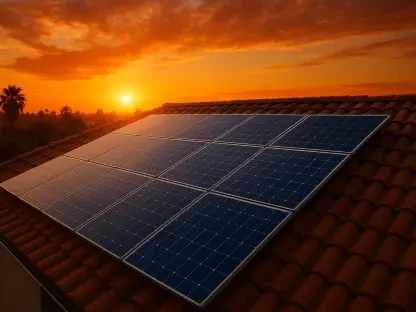
This is the historic turning point we have been waiting for, as renewables officially become the dominant force in global power generation this year. We expect the renewable share of the global mix to reach 37% by 2027, which is a significant jump from the 33% share we saw in 2025. Solar PV is the absolute star of this show, expanding its output by roughly 600 TWh this year alone, which matches the record-breaking pace we set previously. By the end of this year, solar will have surpassed wind to become our second-largest renewable source, sitting right behind hydropower. It is an incredible feat to see solar panels blanketing landscapes and rooftops at this scale, providing a level of diversification that doesn’t just lower emissions, but acts as a crucial safety net for energy security during these turbulent times.
There is a stark contrast between the growth rates in emerging economies like China and India compared to the West. How are these regions managing such diverse energy challenges?
The disparity in growth is quite dramatic and reflects the different stages of industrial evolution across the globe. China is seeing its demand growth accelerate to 5.5% this year, fueled by a manufacturing powerhouse that is simultaneously leading the world in the adoption of electric vehicle charging infrastructure. India is even more aggressive, with a forecast of 7% growth as the nation bounces back from the weather-related dips that slowed progress in 2025. Meanwhile, the U.S. and E.U. are holding steady with more modest growth at around 2%, reflecting mature markets that are increasingly focusing on efficiency even as they electrify their economies. However, we have to look at the more price-sensitive markets like Pakistan and Bangladesh, where high fuel costs are actually weighing down consumption and creating a very tough environment for local industries to remain competitive.
As we integrate more renewables, we are seeing more frequent instances of negative wholesale prices and increased volatility. What must change in our regulatory and technical frameworks to handle this?
Negative prices are a clear distress signal from the grid; they tell us that the current system lacks the flexibility to handle the massive surges of green energy we are now producing. We are seeing wider price swings throughout the day, which makes the deployment of battery storage and demand response programs more urgent than they have ever been. We need to move away from the rigid, legacy regulatory frameworks and technical setups that simply cannot pivot when the sun is shining or the wind is blowing at peak capacity. Developing a truly efficient electricity system requires us to embrace smart technology that allows the grid to breathe, absorbing excess power when it’s cheap and releasing it when demand peaks. Without this flexibility, we are essentially leaving money and clean energy on the table while risking the overall stability of the delivery system.
While renewables are surging, global CO2 emissions from electricity are still rising slightly. What role does nuclear power play in reaching the point where emissions finally begin to decline?
It is a frustrating reality that emissions are expected to rise by about 1% this year, largely because high natural gas prices have pushed some regions back toward coal-fired generation. However, the outlook for 2027 is much more optimistic, as we expect emissions to finally flatten out on a global scale. This shift isn’t just thanks to wind and solar; a strong increase in nuclear power is going to be the “anchor” that prevents emissions from climbing any further. Nuclear provides that steady, carbon-free baseline that allows us to weather the storms of fuel price volatility without relying solely on fossil fuels. It is the combination of these massive renewable gains and the renewed reliability of nuclear power that will finally put the global energy sector on a definitive path toward a cleaner atmosphere.
What is your forecast for global energy security?
My forecast for energy security is one of cautious resilience as we navigate the remainder of 2026 and move into 2027. While we will continue to face volatility due to regional conflicts and events like El Niño—which can reduce hydro and wind output while simultaneously spiking cooling needs—the massive 8% growth in renewable generation is our best defense. As we push toward a global consumption level of 30,700 TWh, the focus must shift from just “generating more” to “managing better” through massive investments in battery storage and grid modernization. If we can successfully integrate the 37% renewable share we expect by 2027, the world will find itself on a much more stable, diverse, and independent footing than it has been in many decades.