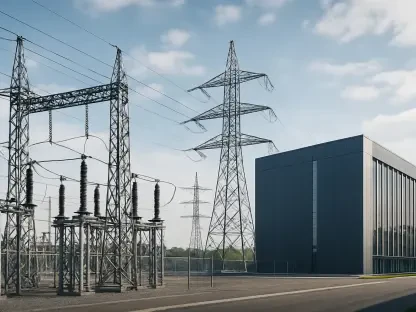
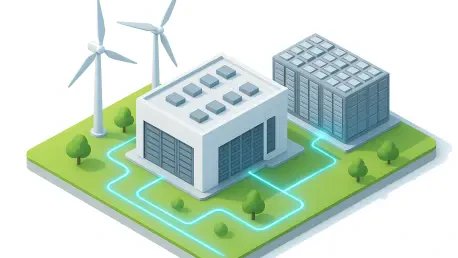
The New Nexus of High-Performance Computing and Electrical Infrastructure The unprecedented thirst for electricity driven by artificial intelligence is currently forcing a fundamental rewrite of how data centers interact with the aging American power grid. As the technology sector expands at a

The stability of the American economy is intrinsically tied to a power distribution network that is currently struggling to keep pace with the massive surge in energy demand and the integration of decentralized renewable sources. As the nation pivots from a legacy centralized model to a dynamic,
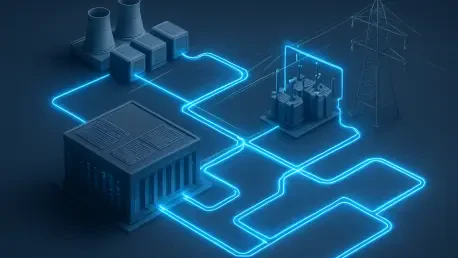
Advocacy groups like Clean Virginia argue that the current regulatory framework allows the data center industry to bypass the full costs of the massive grid upgrades it necessitates. As the Commonwealth of Virginia expands its role as the backbone of the global digital economy, the sheer volume of

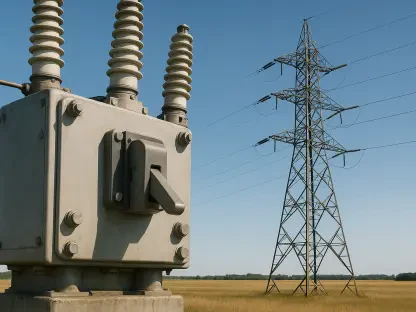
The rapid expansion of AI data centers and electric vehicle infrastructure is placing unprecedented pressure on an American electrical grid that has relied on 50-year-old hardware. For decades, the system has managed to limp along through incremental patches and localized repairs, but the sheer
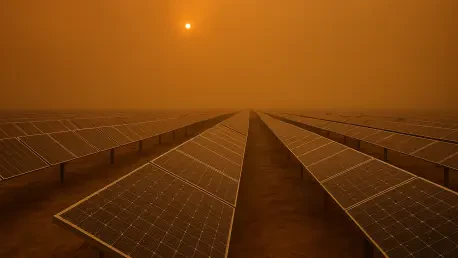
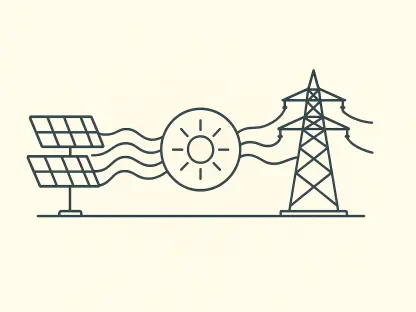
Record-breaking wildfires in North America have demonstrated a surprising reach, impacting solar energy yields as far away as Europe due to the global transport of airborne particulates. The global transition toward renewable energy is facing a significant hurdle as wildfires become more frequent

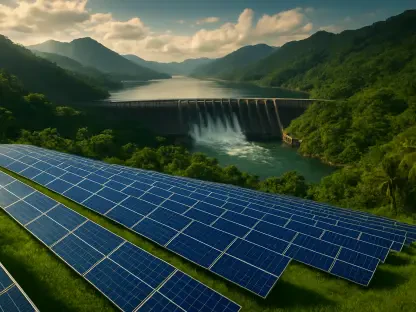
Deciding whether to keep water in Lake Powell to protect the power grid or release it to support downstream reservoirs has become a central conflict for regional water authorities. This dilemma persists as the Bureau of Reclamation navigates unprecedented hydrological variability across the