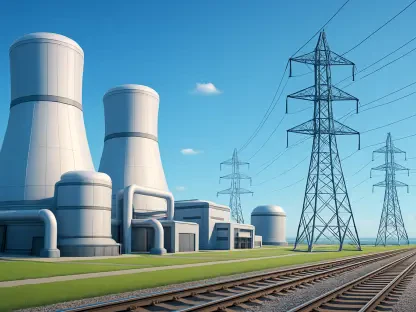

The American electrical grid currently stands at a precarious crossroads where the surging demand for clean energy and digital infrastructure collides with a massive backlog of stalled power projects that are essential for future growth. As the nation moves from 2026 toward 2050, electricity consumption is expected to rise by at least 50 percent. This surge is primarily driven by the rapid electrification of transportation and the immense power requirements of modern industrial sectors that support global connectivity.
Ensuring a stable supply of power is no longer just a technical requirement but a cornerstone of national energy security and economic prosperity. Without a modernized grid, economic expansion remains throttled by outdated infrastructure that cannot keep pace with 21st-century needs. Consequently, the industry must pivot toward sophisticated management tools to maintain reliability while integrating a diverse array of new energy sources into the existing framework.
This guide explores how utility providers can navigate this transition by adopting artificial intelligence to replace cumbersome manual processes. The discussion moves from the basics of grid simulation to real-world examples of how data integration and public-private partnerships create significant economic value. By following these best practices, utilities can transform the current capacity crisis into an opportunity for long-term operational stability.
Why AI Adoption is Essential for Modern Utilities
The primary obstacle to a cleaner and more robust grid is the overwhelming backlog of over 2,000 gigawatts in generation and storage projects currently awaiting approval. These projects represent twice the total generation capacity of the existing U.S. power system, yet they remain stuck in lengthy administrative reviews known as interconnection studies. Under traditional methods, the time required to clear these hurdles has jumped from two years to over five years in many regions.
Integrating artificial intelligence into these workflows offers a path toward resolving these delays by automating complex calculations and risk assessments. Beyond merely speeding up the process, AI enhances overall grid reliability by identifying potential points of failure that manual reviews might occasionally overlook. This technological shift leads to significant operational cost savings for utilities, which can then be reinvested into physical infrastructure upgrades to benefit all users.
Strategic Implementation of AI in Grid Management
Modernizing grid management requires a deliberate strategy that moves beyond simply purchasing software to rethinking how infrastructure is planned and executed. Regulators and utility leaders must work in tandem to establish new frameworks that support rapid iteration and data-driven decision-making. The transition begins with a shift toward digital twins and high-fidelity simulations that mirror the actual behavior of the power network in real time.
Accelerating Interconnection Studies Through Parallel Modeling
The shift from sequential “what-if” scenarios to AI-powered simultaneous simulations marks a major milestone in grid engineering. In the past, engineers tested one project at a time to see how it affected the system, a process that created a massive administrative bottleneck. AI tools now allow for thousands of these scenarios to be processed at once, providing a comprehensive view of how new generators and substations interact under diverse conditions.
Case Study: Duke Energy’s Capacity Breakthrough
By leveraging advanced modeling tools, Duke Energy successfully doubled its capacity to evaluate new energy projects without compromising quality. This improvement did not come at the expense of safety; instead, the simulations provided more detailed data than traditional manual methods were able to generate. The result was a significantly faster approval process that allowed vital energy resources to come online much sooner than previously anticipated.
Consolidating Data for Predictive Maintenance and Planning
Breaking down internal data silos is another critical step in maximizing the efficiency of the modern grid. Many utilities currently manage data across dozens of different sources, making it difficult to gain a holistic view of the system’s health. Integrating these disparate inputs into a single AI-driven planning interface allows for more accurate predictive maintenance and proactive long-term asset management.
Case Study: PG&E’s Data Integration Success
Pacific Gas & Electric demonstrated the power of data consolidation by merging eighty separate data streams into a unified modeling environment. This strategic move allowed the company to reduce operational costs by 20 percent while simultaneously decreasing the number of minutes customers spent without power. The use of AI in this context transformed raw data into actionable insights for grid operators to use daily.
Balancing High-Demand Projects with Residential Costs
Large-scale infrastructure projects often face pushback due to concerns over rising residential costs, but innovative partnerships can mitigate these financial burdens. By implementing “win-win” agreements, utilities can ensure that high-demand industrial users cover a significant portion of the infrastructure costs. This model allows for necessary grid expansion while protecting the average consumer from excessive rate hikes or service disruptions.
Case Study: Amazon and NIPSCO’s Billion-Dollar Savings
A prominent example of this strategy involved a collaboration between a major technology company and Northern Indiana Public Service Co. to fund substantial grid upgrades. This partnership was structured so that the industrial user paid for the necessary enhancements, which in turn lowered the overall cost of service for residential households. Estimates suggested that this arrangement could save local consumers approximately $1 billion over a fifteen-year period.
The Future of the American Grid: A Final Evaluation
The adoption of artificial intelligence in grid management proved to be a decisive factor in resolving the national power crisis. Industry leaders observed that the transition from manual simulations to automated modeling significantly accelerated the deployment of new energy assets. This shift validated the idea that technological innovation was the only viable path to meeting the country’s surging energy demands without sacrificing reliability.
Practical success depended on the careful balance between automated systems and human engineering oversight. Regulators and providers discovered that while AI handled the bulk of the computational work, the final validation required experienced professional judgment to ensure total safety. The most successful organizations were those that prioritized the integration of these tools into their core planning workflows early in the process.
Ultimately, the advancements in grid technology benefited both large industrial users and residential customers by creating a more resilient and affordable energy market. The industry moved away from the reactive planning models of the past and embraced a proactive, data-centric approach. These considerations laid the groundwork for a secure energy future that supported both economic growth and continued technological progress for decades to come.