
The Evolution: Shaping the Modern American Grid
The landscape of the American power industry is undergoing a profound structural evolution as electricity demand reaches unprecedented levels across the domestic grid. With total power generation expected to hit approximately 4,390 billion kWh by the end of 2026, the sector is managing a 2.7% increase in output compared to previous cycles. This surge reflects a burgeoning reliance on advanced infrastructure to support a more electrified economy.
Renewable energy is no longer acting as a secondary supplement but has instead become the primary engine of this nationwide expansion. Recent data highlights how the transition ensures grid resilience by balancing rising commercial needs with the reality of fluctuating climates. This shift defines a new blueprint where clean generation sources dictate the tempo of national industrial growth.
Legacy Erosion: The Decline of Traditional Fuel Sources
Analyzing the steady erosion of coal provides a clear window into the changing priorities of the utility sector. Approximately 13 GW of coal-fired capacity are undergoing scheduled retirements this year, driven by environmental mandates and the competitive pricing of natural gas. These structural changes are creating a permanent vacancy in the generation mix that older thermal assets can no longer fill economically.
By 2027, the share of coal in the national energy portfolio is projected to plummet to just 15%. This decline is not merely a temporary market fluctuation; it is the result of a multi-year pivot toward cleaner alternatives that offer lower long-term costs. The departure of these conventional fuels provides the essential market space for solar and wind to anchor the modern grid.
Capacity Growth: The Rise of Clean Energy Infrastructure
The mobilization of capital toward carbon-free resources is fundamentally altering the capacity landscape of the United States. Solar and wind technologies are currently leading the charge, representing the vast majority of all new generation projects coming online. This aggressive build-out is a direct response to the nation’s increasing thirst for stable and sustainable power sources.
As developers accelerate their timelines, the focus has shifted toward large-scale projects that can be integrated quickly into regional transmission networks. The industry is effectively moving away from small-scale pilots toward a massive industrial mobilization. This phase of development is critical for meeting the immediate energy requirements of a rapidly growing digital and manufacturing economy.
Solar and Wind: The New Engines of Power Generation
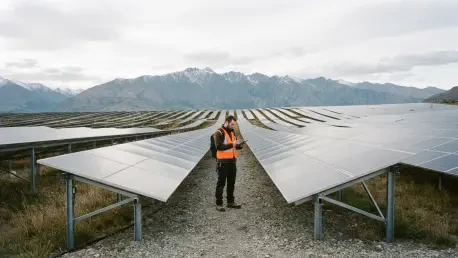
Solar energy is maintaining a remarkably steep growth trajectory, with its contribution to total U.S. generation expected to rise from 7% last year to nearly 10% by 2027. Wind energy is following a similar upward curve, targeting a 12% share within the same timeframe. These technologies have become the default choice for utilities looking to add capacity without the long-term risks of fuel price volatility.
The industry is currently on track to add a staggering 72 GW of solar and 20 GW of wind capacity from 2026 through 2027. This represents a historic influx of renewable hardware designed to meet the load requirements of the modern world. Such significant additions are turning intermittent sources into the backbone of the national electricity supply.
Storage Solutions: The Critical Role of Battery Technology
To manage the variability of renewable generation, the power sector is installing more than 25 GW of battery storage over the next twelve months. This rapid deployment acts as a vital buffer for the grid, capturing excess energy during peak production and releasing it when demand spikes. These systems are essential for maintaining a stable frequency across high-voltage transmission lines.
By the end of 2027, total installed battery capacity is expected to reach 91.7 GW, marking a nearly 40% increase over current 2026 levels. This expansion allows the grid to operate with a higher percentage of renewables without compromising reliability. Storage has evolved from an experimental technology into a fundamental component of the utility infrastructure.
Market Stress: Climate and Industrial Demand Pressures
External factors such as warmer-than-average summer temperatures are placing unprecedented stress on the existing electrical distribution system. Heightened cooling requirements have driven electricity consumption to record levels, making efficient generation more critical than ever. Renewables offer a modular and scalable solution that can be deployed faster than traditional fossil fuel plants.
Furthermore, the expansion of massive data centers and the resurgence of domestic manufacturing are creating a baseline demand that requires constant expansion. Renewable projects provide a hedge against the price fluctuations of natural gas, which still accounts for 40% of the mix. This diversification is the primary strategy for managing the complex needs of the current commercial environment.
Innovation: Future Technological and Regulatory Paths
The industry is moving toward the deployment of hybrid power plants that combine solar, wind, and battery storage into a single operational unit. These facilities maximize land use and interconnection efficiency, providing a more consistent output than standalone renewable sites. Technological breakthroughs in grid management software are also allowing for more precise control over decentralized energy resources.
Regulatory frameworks are evolving to streamline the process of connecting these new projects to the national grid. By shortening interconnection queues and utilizing AI-driven demand response, utilities can balance the load with greater accuracy. These innovations suggest that the current growth in renewables is the foundation of a long-term economic evolution.
Industry Strategy: Practical Lessons for Energy Stakeholders
For business leaders, the data indicates that investment in onsite storage and electrification is a necessary step for future-proofing operations. Companies that integrate renewable generation into their energy management systems are finding it easier to hedge against the rising costs of traditional fuels. Best practices now involve diversifying energy sources to ensure uninterrupted service during peak periods.
Taking advantage of federal tax credits remains a cornerstone of strategic energy planning for industrial professionals. Modernizing distribution infrastructure is also a priority to ensure that the influx of renewable power can reach high-demand areas. This transition requires a collective commitment to updating legacy systems to match the pace of technological change.
Historic Transition: Reflections on a Renewable Power Shift
The transformation of the American power sector reached a definitive milestone as renewables and storage systems successfully occupied the center of the grid. This shift demonstrated that the reliance on cleaner energy was the most viable path for meeting record-breaking electricity demand. The integration of advanced battery technology proved to be the decisive factor in stabilizing a system that previously struggled with the volatility of conventional fuels.
Industry leaders recognized that the modernization of the grid was not only an environmental necessity but a strategic economic advantage. The decisive pivot toward solar and wind provided the resilience required to handle the pressures of a warming climate and expanding commercial sector. Ultimately, these advancements established a more secure and efficient energy framework that protected the nation from the supply shocks of the past.