
Transforming Namibia from a dependent power importer into a key contributor to the regional grid is a central goal of the bilateral infrastructure diplomacy currently underway in Luanda. The Namibian government has reached a critical juncture where the focus has shifted from decades of theoretical research to an uncompromising demand for physical development. Minister of Mines and Energy, Modestus Amutse, recently emphasized that energy security is not just a utility requirement but a mandatory foundation for macroeconomic stability and long-term investor confidence. The Baynes Binational Hydropower Project, situated along the Kunene River, is now viewed as the primary engine for this national transformation. By moving decisively into the implementation phase, the country intends to secure a consistent power supply that can anchor industrial ambitions for the next several decades. This pivot signals a new era of proactive resource management aimed at ensuring that energy remains a domestic asset.
Driving Industrial Growth and Economic Stability
The Strategic Nexus: Energy and Industrialization
Reliable electricity serves as a strategic intervention necessary to unlock the full economic potential of the Southern African region, particularly regarding mineral beneficiation and the rapidly emerging green hydrogen industry. Without a stable and affordable energy foundation, these capital-intensive sectors remain highly vulnerable to global market fluctuations and unforeseen supply shortages that can halt production. The Baynes project is engineered to provide approximately 600 megawatts of installed generation capacity, which would create a predictable and supportive environment for both domestic manufacturers and large-scale international investors. By establishing a robust baseload of power, the nation can transition away from being a passive consumer of raw materials to an active hub for value-added processing. This shift is expected to enhance the overall competitiveness of the mining sector while providing the consistent current required for the electrolysis processes essential to green fuel production.
Overcoming Stagnation: Moving Toward Execution
Beyond the long-term operational benefits, the construction phase of the project is expected to act as a significant regional economic stimulus. This massive infrastructure undertaking will provide unprecedented opportunities for local contractors, engineering firms, and technical service providers to participate in a world-class development project. Furthermore, the collaborative nature of the site on the border of Namibia and Angola will foster high-level technical skill acquisition within the local labor market, creating a generation of specialized workers capable of maintaining advanced power systems. The move toward immediate construction also addresses the legacy of planning stagnation that has characterized the project since the early 1990s. Policymakers are now emphasizing that the era of feasibility studies and preliminary investigations has reached a natural conclusion. Any further hesitation is seen as a direct threat to national security as regional energy demand continues to outpace the rate of new development.
Enhancing Regional Resilience and Financial Viability
Strategic Autonomy: Reducing External Market Risks
Namibia currently operates as a net importer of electricity, a position that leaves the domestic economy exposed to the inherent volatility of the Southern African Power Pool and unpredictable exchange rate fluctuations. The Baynes project is vital for decoupling the nation’s economic health from these external risks by providing a substantial domestic buffer against the rising costs of cross-border power procurement. In an era where regional utilities often face their own generation constraints, relying on foreign surplus is no longer a viable long-term strategy for a country seeking total energy independence. By bolstering internal generation capacity, the government can stabilize electricity tariffs and insulate local businesses from price shocks originating outside their borders. This strategic autonomy is not just about cost reduction; it is about ensuring that the national grid remains resilient during periods of regional energy scarcity, thereby maintaining the uninterrupted flow of power required for modern urban and industrial life.
Financial Sustainability: The Public Implementation Model
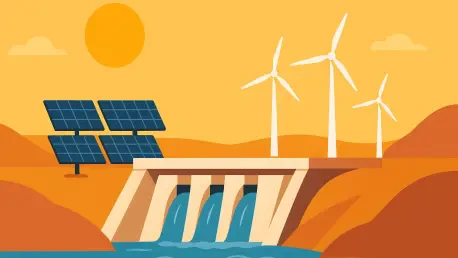
To ensure that the project remains economically beneficial for the end-consumer, the participating governments have adopted a public implementation model for financing. This specific strategy focuses on securing funding arrangements that prevent high capital expenditure costs from being passed down to the public through inflated electricity tariffs. By collaborating with prestigious international partners like the African Development Bank and funding institutions from Sweden and South Korea, the project organizers aim to maintain commercially sustainable rates that support industrial growth. Furthermore, the hydropower generated at Baynes is intended to complement existing and future investments in solar and wind energy. Because water-based power provides a constant and reliable baseload, it can effectively balance the intermittent nature of other renewable sources, resulting in a more resilient and diversified energy mix. This synergy is essential for creating a modern energy infrastructure that meets the total needs of the population.
Balancing the Grid: Integrating Variable Renewable Energy
Beyond its role as a standalone power source, the project is essential for stabilizing the national transition toward a greener and more diversified energy portfolio. As Namibia continues to increase its capacity for solar and wind generation, the inherent variability of these weather-dependent resources necessitates a reliable source of baseload power to maintain grid stability. Hydropower provides this critical balance, offering a constant and dispatchable supply of electricity that can compensate for fluctuations in renewable output. This synergy allows for a higher penetration of intermittent green technologies without compromising the reliability of the national power system. Furthermore, the dam creates a strategic water management asset that can be used to mitigate the impacts of drought, providing secondary benefits to local agricultural and industrial water users. By integrating traditional hydropower with modern solar and wind projects, the nation is establishing a sustainable and resilient infrastructure model that can support long-term growth while meeting modern carbon reduction targets.
Securing the Future: A Decisive Energy Blueprint
The successful coordination of the Baynes infrastructure initiative established a definitive roadmap for achieving regional energy sovereignty. Decision-makers prioritized the transition from theoretical models to physical reality, ensuring that the necessary financial frameworks and environmental safeguards were fully integrated into the development plan. This approach provided a clear path for future large-scale projects, demonstrating that bilateral cooperation could effectively overcome historical logistical barriers and planning delays. By focusing on a public implementation model, the authorities secured a legacy of affordable power that protected the interests of both domestic consumers and industrial stakeholders. The project also served as a blueprint for integrating traditional hydropower with modern renewable technologies, creating a template for energy diversification across Southern Africa. Ultimately, the commitment to immediate action proved to be the decisive factor in securing a stable economic future for the region.