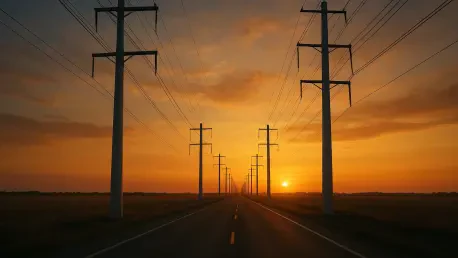

Entergy Louisiana is currently replacing thousands of utility poles with new structures engineered to withstand wind speeds of up to 140 mph. This massive undertaking represents a fundamental shift in how the state approaches electrical infrastructure, moving away from reactive repairs toward a philosophy of proactive hardening in the face of increasingly severe tropical systems. By targeting the most vulnerable segments of the power grid, the utility provider aims to reduce the frequency and duration of outages that have historically crippled local economies following major hurricanes. These upgrades are not merely cosmetic; they involve deep geotechnical assessments and the deployment of composite materials that resist the rot and corrosion typical of the humid southern climate. This initiative serves as a critical test case for whether traditional legacy systems can truly be transformed into a resilient modern energy backbone capable of enduring the intense mechanical stress.
Infrastructure and Regional Stability
Part 1: Engineering for Weather Events
The technical specifications of these new installations move beyond standard timber utility poles, incorporating high-strength concrete and spun-cast steel in regions most susceptible to storm surges and high velocity winds. By utilizing these materials, engineers can ensure that the poles maintain their structural integrity even when saturated by floodwaters or subjected to the intense lateral force of a Category 4 hurricane. Furthermore, the cross-arms and insulators are being upgraded to polymer-based components that offer superior durability compared to traditional porcelain models. This modernization effort also includes the installation of shorter spans between poles, which reduces the mechanical stress on the conductive wires themselves during high-wind events. These engineering choices reflect a data-driven approach, where historical storm data was analyzed to identify exactly where the previous infrastructure failed. By addressing these specific mechanical vulnerabilities, the grid is being transformed.
Part 2: Deployment and Redundancy
Strategic deployment of this equipment is currently concentrated in coastal parishes where the impact of extreme weather is most immediate and severe. By prioritizing these geographical zones, the project creates a defensive perimeter that protects the inland distribution network from the initial brunt of tropical disturbances. In addition to physical pole replacement, the utility is implementing advanced automated line tensioners and breakaway hardware designed to fail safely without bringing down entire sections of the line. This modular design philosophy ensures that if a specific segment is damaged by a fallen tree, the impact is localized, and repair crews can restore service much faster than in previous decades. The use of geographic information systems (GIS) allows for precise tracking of every new asset, enabling maintenance teams to perform predictive inspections based on the specific age and stress history of each pole. As this rollout continues from 2026 to 2028, the cumulative effect will result in a better system.
Financial and Resilience Planning
Part 3: Funding and Partnerships
Funding for this extensive $270 million modernization effort is supported by a combination of private utility investment and federal grants through the Grid Resilience and Innovation Partnerships (GRIP) program. This financial structure ensures that the massive cost of upgrading the state’s energy backbone does not fall entirely on the shoulders of the local ratepayers. By securing federal backing, the utility has been able to accelerate its timeline, moving forward with large-scale replacements that might have otherwise taken over a decade to complete. The economic rationale for such an investment is clear; the cost of proactive hardening is significantly lower than the recurring multi-billion dollar expenses associated with emergency repairs and lost productivity after a major hurricane. Investors and stakeholders are closely watching the progress of this project as a benchmark for utility-scale resilience projects across the United States. This growth reinforces the long-term viability of the energy sector.
Part 4: Insights and Solutions
The successful integration of these reinforced structures marked a significant turning point in the management of southern energy systems. Stakeholders moved beyond simple hardware replacement to focus on the deployment of distributed energy resources, such as industrial-scale battery storage, to provide backup during peak load periods. The project demonstrated that physical hardening must be paired with digital intelligence to achieve true grid modernization. Moving forward, authorities recommended that neighboring states adopt similar wind-load standards to create a unified, resilient Gulf Coast power corridor. Engineers began exploring the use of carbon-fiber composites to further increase pole longevity in high-salinity coastal environments. This evolution required a workforce trained in both traditional line work and advanced telemetry systems, highlighting the need for updated vocational programs. The lessons learned from the upgrade provided a clear roadmap for other coastal regions facing challenges.