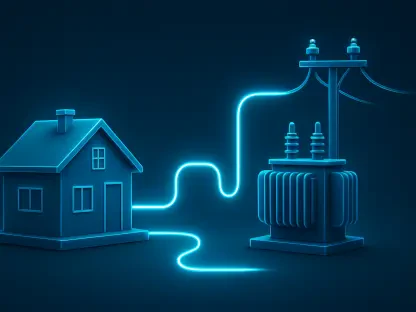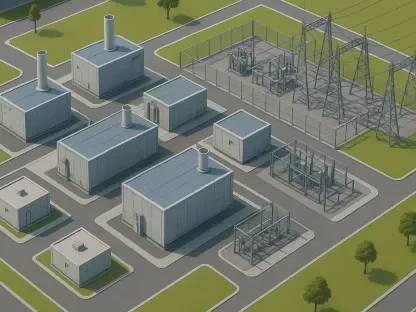

The stability of a nation’s power grid often depends on its ability to weather the quietest days when the wind stops blowing and solar panels sit idle under heavy clouds. The United Kingdom is currently confronting this existential challenge by deploying a £28 million investment into the Ultra-Long Duration Energy Storage (Ultra-LDES) Challenge. This strategic move, coordinated by UK Research and Innovation, aims to transition the energy sector away from short-term fixes toward a robust system capable of sustaining power for a minimum of 100 consecutive hours. By prioritizing technologies that bridge multi-day gaps in renewable generation, the initiative addresses the intermittency issue that has long hindered the realization of a truly green grid.
Revolutionizing the Grid Through Ultra-Long Duration Storage
The launch of the Ultra-LDES Challenge represents a definitive shift in national energy policy, moving beyond the modest capabilities of existing lithium-ion batteries. While traditional battery systems are excellent at balancing the grid over minutes or hours, they lack the physical capacity to maintain power during extended periods of low renewable output. This program seeks to cultivate a resilient national power supply that functions independently of weather fluctuations, ensuring that the lights stay on even during a week-long wind drought. By integrating advanced storage technologies, the government is building a buffer that transforms volatile renewable energy into a dependable, baseline utility.
Moreover, this initiative positions the UK as a global pioneer in high-capacity energy infrastructure. The program focuses on creating a stabilized, carbon-neutral electricity system that can serve as a model for other nations transitioning to net-zero. The goal is to move from a reactive grid management style to a proactive one, where surplus energy from productive days is captured and held in reserve for nearly half a week. This strategic depth is necessary to protect the domestic economy from the inherent unpredictability of climate-dependent power sources.
Emerging Paradigms in Energy Storage Technology
Innovations in Electrochemical and Underground Hydrogen Systems
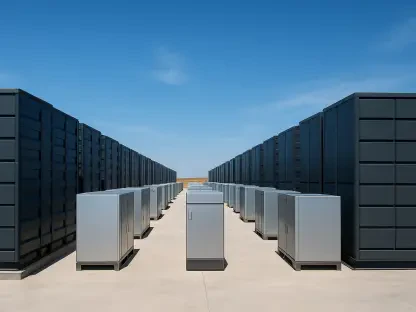
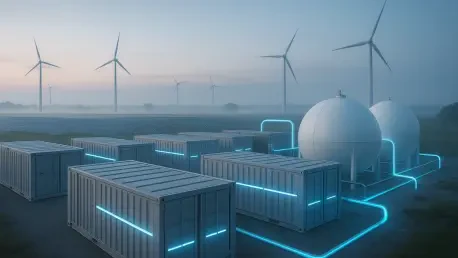
Two primary technological pathways have emerged as the frontrunners in this drive for long-term stability. Advanced electrochemical storage involves the creation of next-generation battery chemistries designed to withstand the stress of 100-hour discharge cycles without losing efficiency. Unlike standard consumer electronics batteries, these systems are built for heavy-duty industrial use, prioritizing longevity and safety over extreme portability. These innovations allow for the storage of vast quantities of electricity in localized hubs, providing a decentralized layer of security for the national grid.
Simultaneously, the program places a heavy emphasis on underground hydrogen storage as a means of managing seasonal energy demands. This process uses surplus renewable electricity to generate hydrogen through electrolysis, which is then pumped into vast geological reservoirs. When demand spikes, this hydrogen is retrieved and converted back into electricity. This method offers the flexibility required to manage energy supplies not just over hours, but across several days or even weeks, providing a massive scale of storage that electrochemical systems alone cannot yet match.
Economic Projections and Growth Drivers for the Storage Market
Market analysis indicates that scaling these ultra-long duration technologies could result in significant systemic savings for the taxpayer. Conservative estimates suggest that a fully integrated storage network could save the energy system between £14 billion and £50 billion from 2035 to 2050. These savings are driven by a reduced need for expensive gas-fired backup plants and a decrease in the costs associated with curtailing renewable energy when the grid is oversupplied. Consequently, the push for domestic storage is as much an economic strategy as it is an environmental one.
Furthermore, the Ultra-LDES Challenge is supported by a broader financial commitment to transformative energy research. The R&D Missions Accelerator Program is set to funnel £500 million into the sector by 2030, ensuring that the UK remains at the cutting edge of energy innovation. This sustained investment creates a predictable environment for private developers, encouraging them to commit resources to long-term projects that might otherwise be seen as too risky. As domestic energy security becomes a top priority, these growth drivers are expected to accelerate the commercialization of storage solutions.
Overcoming Technical and Structural Barriers to Scale
Transitioning to a high-capacity storage model involves significant engineering hurdles that require precise attention. Maintaining the efficiency of electrochemical systems over 100-hour discharge periods requires a radical rethinking of materials science to prevent degradation. Similarly, underground hydrogen storage requires extensive geological mapping and the development of specialized safety protocols to manage high-pressure reservoirs. These are not merely administrative challenges; they are fundamental technical barriers that necessitate rigorous testing and feasibility studies.
To mitigate these risks, the funding framework includes specific allocations for proof-of-concept projects. By validating the physics and economics of these technologies at a smaller scale, the government ensures that only the most viable concepts proceed to full-scale deployment. This structured approach helps prevent the wasting of public funds on unproven theories while providing innovators with the data needed to attract further private investment. The focus remains on bridging the gap between laboratory success and industrial application.
Navigating the Regulatory Landscape and Energy Security Standards
The regulatory environment is also evolving to support these technological advancements, with Ofgem leading the way in modernizing grid support frameworks. This includes revisiting the potential for pumped-storage hydropower, which has seen little development in the UK for over forty years. New standards for clean energy integration are being established to ensure that storage facilities can interact seamlessly with the national grid. These mandates focus on making homegrown clean energy the primary driver of affordability, shielding the domestic market from external shocks.
Integrating such massive storage capacity requires a whole-system approach to energy management. Regulations must account for the different discharge speeds and capacities of electrochemical versus geological storage, ensuring that the grid remains balanced at all times. By creating a clear legal and operational framework, the government is providing the certainty needed for utility companies to incorporate these new assets into their long-term planning. This regulatory clarity is essential for maintaining a stable power supply in an increasingly complex energy landscape.
The Future of Flexible Power and National Grid Resilience
As the electricity system moves toward full decarbonization, the role of long-duration storage will shift from a specialized requirement to a foundational pillar of the energy mix. Future growth will likely involve the convergence of smart grid management and consumer-led flexibility, where storage assets are used to optimize power distribution in real time. This evolution will allow the grid to respond dynamically to changes in both supply and demand, maximizing the utility of every kilowatt-generated. The focus on domestic innovation ensures that the UK maintains a competitive advantage in the global market for green technology.
Ultimately, the success of these technologies will determine the country’s ability to remain energy independent. A grid backed by 100-hour storage is a grid that does not need to rely on imported fuels during periods of low wind or high demand. This resilience is the key to both environmental sustainability and national security, providing a reliable power supply regardless of global economic volatility. The integration of these flexible power solutions represents the final piece of the puzzle in the transition to a modern, carbon-neutral economy.
Strategic Outlook: Actionable Paths for the UK Energy Transition
The strategic rollout of the program successfully bridged the gap between academic theory and utility-scale application. Stakeholders recognized that the path toward a net-zero future required more than just the generation of green power; it demanded a sophisticated, localized method of containment. By de-risking the initial capital costs through targeted grants, the initiative encouraged private entities to invest in subterranean mapping and novel chemical research that previously appeared too speculative. This shift ensured that long-term grid stability became a matter of national engineering pride rather than a vulnerability to external geopolitical events. The resulting data from feasibility studies offered a clear roadmap for scaling these technologies across other industrial sectors, proving that the storage challenge was solvable through concentrated public-private cooperation.