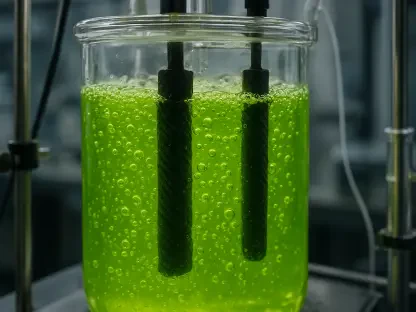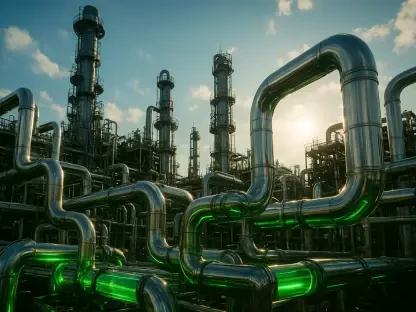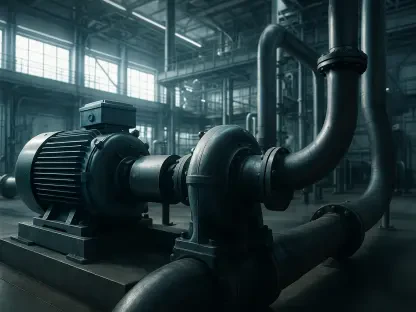

The global industrial sector is currently witnessing a profound shift as factories transition from passive energy consumers to active producers by capturing and refining the volatile gases emitted during organic decomposition processes. This evolution centers on the ability to harness raw biogas and convert it into a stable, high-density fuel source. Without compression, raw biogas remains tethered to the anaerobic digester, unable to overcome the pressure requirements of modern industrial boilers or electrical generators. Modern systems bridge this gap, serving as the mechanical heart of the bioenergy facility. These solutions allow for the transport and utilization of energy across large campuses, fundamentally changing the economics of waste management.
Introduction to Industrial Biogas Compression
The fundamental goal of biogas compression is the stabilization of methane-rich gas to make it compatible with high-demand industrial machinery. In its raw form, biogas suffers from low pressure and inconsistent flow, making it nearly useless for direct application in power generation. Sophisticated compression systems now provide the vital link between raw gas production and practical utility. These systems use multi-stage mechanical processes to stabilize and transport the gas, turning it into a reliable fuel. This capability is essential for transitioning traditional manufacturing plants into self-sustaining hubs that no longer rely solely on the external power grid.
Primary Technical Components and Features
Advanced Compression Mechanics and Variable Speed Drives
High-efficiency systems now utilize Variable Speed Drives (VSD) to adjust mechanical output in real-time, matching the erratic breathing of the anaerobic digester. Fixed-speed compressors often represent a legacy bottleneck because biological gas production is rarely linear. This responsiveness prevents parasitic energy loss and ensures that downstream engines receive a steady flow. By decoupling mechanical speed from a fixed grid frequency, operators maintain precise pressure setpoints, which extends the operational life of sensitive injection valves. This precision differentiates modern industrial equipment from the crude, inefficient pumps used in previous decades.
Corrosion-Resistant Materials and Sealing Technologies
Industrial biogas is a chemically aggressive medium, containing moisture and hydrogen sulfide that can decimate standard steel components. Reliability in this sector is defined by the strategic use of stainless steel alloys and specialized coatings that resist acidic pitting. Furthermore, advanced sealing technologies have replaced traditional packing, virtually eliminating methane leakage and improving volumetric efficiency. This focus on material science is a critical safety and environmental requirement for facilities aiming for zero-emission benchmarks. Using high-grade materials reduces the total cost of ownership by extending the interval between major overhauls.
Innovations and Emerging Industry Trends
Digitalization is no longer a peripheral feature but a core component of the compression architecture, allowing for unprecedented operational transparency. Modern modules are equipped with smart sensors that feed data into cloud-based platforms for predictive maintenance and performance optimization. This shift allows operators to anticipate mechanical failure before it occurs, a necessity for seasonal industries where every hour of downtime translates to lost revenue. Moreover, the integration of lifecycle management services ensures that the hardware remains optimized through remote diagnostic support. These trends reflect a move toward “Hardware-as-a-Service,” where reliability is guaranteed through continuous monitoring.
Real-World Industrial Applications
The sugar milling industry stands as the primary beneficiary of this technological leap, utilizing organic byproducts to generate massive quantities of methane. By compressing this gas, mills have achieved a level of energy independence that was previously reserved for facilities with access to cheap fossil fuels. Similar successes have been documented in wastewater facilities, where compressed biogas powers cogeneration plants that provide heat and electricity. These applications demonstrate that waste streams are no longer liabilities but are instead high-value assets. The technology has enabled a shift from simple waste disposal to a strategic, self-sufficient energy-recovery model.
Technical Challenges and Market Obstacles
Despite the technical progress, the initial capital expenditure remains a formidable barrier for mid-sized enterprises seeking to upgrade their energy infrastructure. The necessity for rigorous pre-treatment—specifically moisture removal and siloxane filtration—adds layers of complexity that require skilled labor to manage effectively. Furthermore, the lack of a standardized global framework for grid injection limits the ability of many producers to sell excess gas profitably. Engineering efforts are currently focused on modular designs that lower the entry threshold by reducing on-site installation time and complexity. Addressing these hurdles requires a combination of technological simplification and supportive energy policies.
Future Outlook and Technological Trajectory
The trajectory of biogas technology points toward the total integration of upgrading and compression stages into a single, seamless operation. We are seeing the rise of membrane-based systems that perform gas scrubbing and pressurization in a unified flow path, reducing the physical footprint of the equipment. As the Internet of Things (IoT) matures, these systems will likely operate within autonomous microgrids, automatically trading energy based on real-time demand. This convergence of bio-processing and digital intelligence will be the cornerstone of the emerging circular industrial economy. From 2026 to 2031, this integration will likely become the standard for all new agro-industrial installations.
Summary of Findings and Assessment
The assessment of industrial biogas compression revealed that the technology matured into a reliable pillar of the renewable energy landscape. It was clear that the successful transition to energy circularity depended more on mechanical precision and material durability than on the simple presence of organic waste. To move forward, stakeholders needed to prioritize the implementation of advanced filtration alongside compression to safeguard their investments from chemical degradation. Future strategies should have focused on workforce training and the adoption of modular designs to bridge the gap between technical potential and operational reality. This holistic approach ensured that biogas was treated as a primary fuel rather than a secondary byproduct.