
The North American bulk power system is currently grappling with a convergence of physical and economic pressures that threaten the very foundation of energy reliability across the continent. Recent assessments from the North American Electric Reliability Corporation indicate that the rapid expansion of electricity-intensive industries is outpacing the development of new transmission lines and generation capacity. As data centers supporting artificial intelligence and large-scale manufacturing facilities continue to proliferate, the buffer between available supply and peak demand has narrowed to a precarious degree in several key regions. This strain is compounded by a transition toward cleaner energy sources that, while necessary for environmental goals, often lack the dispatchable nature of the legacy units they replace. Regulatory bodies are now emphasizing the urgent need for a more coordinated approach to resource adequacy, as the margin for error has essentially evaporated during extreme weather.
The Rising Tide of Demand: Data Centers and Industrial Shifts
The proliferation of hyper-scale data centers is perhaps the most significant driver of this newfound demand, as these facilities require massive amounts of constant power to operate advanced server clusters. Unlike traditional industrial loads that might fluctuate based on shifts or market cycles, these digital hubs maintain a high and steady baseline of consumption that taxes local distribution networks. Furthermore, the push for the electrification of transportation and space heating has introduced new peaks in demand that did not exist in previous decades. In many jurisdictions, the sheer speed at which these new loads are being connected far exceeds the multi-year timelines required to permit and construct high-voltage transmission projects. This mismatch creates a scenario where the physical infrastructure is being asked to carry more current than it was originally designed to handle, leading to increased thermal stress on transformers and lines as the industry navigates through 2026.
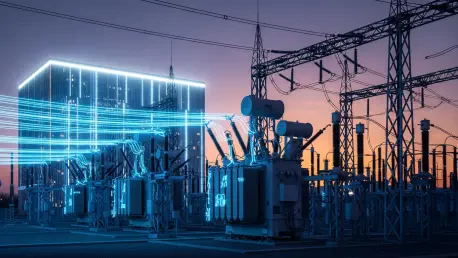
Energy planners are observing that the geographical concentration of these new loads often occurs in areas where the existing grid was built to support much lighter residential activities. For example, Northern Virginia and parts of the Midwest have seen such an influx of data-processing facilities that local utilities are forced to implement emergency measures to keep up with the load growth. This surge is not limited to digital infrastructure; the reshoring of heavy manufacturing, such as semiconductor fabrication and battery production, adds layers of complexity to the forecasting models used by grid operators. These facilities often require extremely high levels of power quality and reliability, meaning even minor fluctuations in voltage or frequency can result in significant economic losses. Consequently, the burden on grid operators to maintain stability is higher than ever before, necessitating the deployment of advanced sensing and control technologies to manage the flow of electricity efficiently.
Operational Challenges: The Retirement of Dispatchable Assets
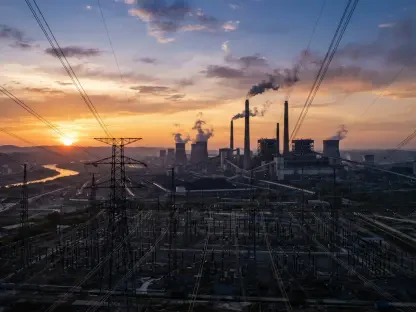
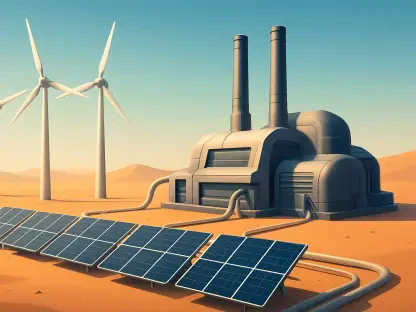
Concurrent with the explosion in demand is the accelerated retirement of traditional thermal power plants, which have historically provided the reliable baseload capacity needed to stabilize the system. Coal-fired units and older natural gas facilities are being shuttered due to a combination of environmental regulations, aging equipment, and unfavorable economics in the face of cheaper renewable alternatives. While the transition to wind and solar is a centerpiece of modern energy policy, these variable energy resources do not provide the same level of frequency support and inertia as large rotating generators. This loss of physical inertia makes the grid more susceptible to rapid frequency drops during unexpected outages of major transmission lines or large power plants. NERC has pointed out that many regions are now facing energy risks, meaning that even if there is enough total nameplate capacity, there may not be enough fuel or weather-dependent generation available during peak periods.
Stakeholders addressed these multifaceted challenges by prioritizing the rapid deployment of long-duration energy storage and the expansion of inter-regional transmission lines. These efforts proved essential in mitigating the risks posed by the simultaneous increase in load and the retirement of legacy assets. Industry experts recommended that utilities adopt more granular forecasting models that account for the unique consumption patterns of artificial intelligence clusters and electric vehicle fleets. Engineers worked toward implementing advanced grid-enhancing technologies, such as dynamic line ratings and power flow controllers, which maximized the efficiency of existing infrastructure. Regulatory frameworks were adjusted to allow for faster permitting of critical projects, ensuring that the physical grid could keep pace with the evolving economic landscape. These actions provided a clear blueprint for maintaining a stable power supply while continuing to advance toward long-term sustainability goals.