
The dramatic transformation of European energy landscapes has reached a critical tipping point as households across Germany increasingly abandon traditional grid dependency in favor of sophisticated, decentralized power ecosystems. This shift is not merely a localized trend but a fundamental restructuring of how modern society generates and consumes electricity. As of 2026, the German market has established itself as the undisputed global frontrunner in the adoption of residential battery storage systems, driven by a combination of high retail electricity prices and a deeply ingrained cultural commitment to environmental sustainability. Homeowners are no longer passive consumers but active participants in the energy transition, utilizing lithium-iron-phosphate (LFP) technology to maximize the utility of their rooftop solar installations. The integration of smart home management systems allows these residents to automate energy usage, ensuring that stored power is deployed when grid prices are highest or when the sun is no longer shining.
Technical Innovation: Sophisticated Hardware and Smart Management
Hardware Integration: The Superiority of LFP Technology
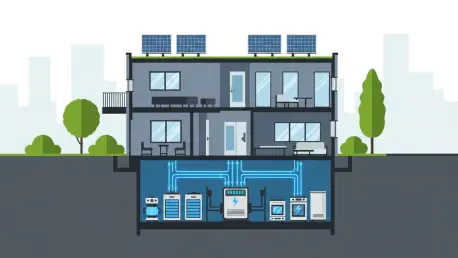
Sophisticated hardware configurations are currently at the heart of the German energy revolution, with a clear preference for lithium-iron-phosphate battery chemistries due to their superior safety profiles and extended cycle life. Unlike earlier nickel-manganese-cobalt variants, these LFP systems provide the thermal stability necessary for indoor residential installations, allowing homeowners to integrate storage units directly into utility rooms or garages without excessive safety concerns. Manufacturers like Sonnen and BYD have optimized their modular designs to scale with the specific needs of a household, enabling a seamless transition from basic 5 kWh setups to high-capacity 20 kWh arrays. Furthermore, the prevalence of high-efficiency hybrid inverters has simplified the installation process by combining solar and battery management into a single device, reducing conversion losses and total system costs. This technical maturity ensures that the hardware remains operational for decades, providing a reliable foundation for long-term energy independence.
Dynamic Management: Optimization via Smart Platforms
Beyond the physical hardware, the rise of intelligent software platforms has transformed static battery units into dynamic assets capable of interacting with the broader electrical grid through sophisticated algorithms. These smart energy management systems (SEMS) analyze real-time weather forecasts, historical consumption patterns, and fluctuating spot market prices to optimize the charging and discharging cycles of the home battery. For instance, when solar production exceeds demand during midday, the system prioritizes charging the battery; conversely, during peak evening hours, it discharges to avoid high grid tariffs. Many German households are now participating in virtual power plants (VPPs), where small-scale batteries are aggregated to provide frequency regulation services to the national grid operator. This collective action not only stabilizes the network during periods of high demand but also generates additional revenue streams for owners. This transition represents a vital shift in energy dynamics.
Economic Viability: Strategic Self-Consumption and Policy Synergy
Financial Incentives: The Shift to Self-Consumption
Economic considerations remain the primary catalyst for the accelerated deployment of residential storage, as the gap between the cost of self-generated electricity and grid-supplied power continues to widen. In Germany, retail electricity prices have consistently ranked among the highest in Europe, making the prospect of energy self-sufficiency exceptionally attractive from a financial perspective. In the period from 2026 to 2028, the phase-out of lucrative feed-in tariffs for older solar installations has further incentivized the addition of battery storage to existing photovoltaic systems. Homeowners who previously sold their excess power to the grid at high rates now find it more profitable to store that energy for personal use later in the day. This shift toward self-consumption models has fundamentally altered the return-on-investment calculations for residential renewable energy projects. Modern financial modeling indicates that a well-sized battery system can now achieve a complete payback in less than ten years.
Strategic Outcomes: Grid Resilience and Future Growth
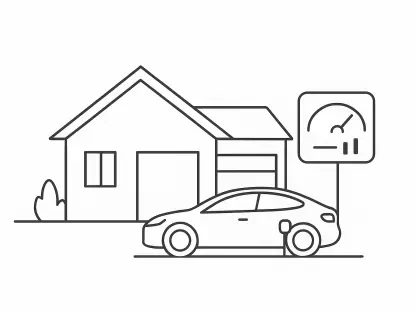
The successful implementation of residential battery storage across Germany demonstrated that decentralized energy systems could provide a viable path toward total grid decarbonization. Strategic focus shifted toward the integration of bidirectional charging, effectively transforming the national electric vehicle fleet into a massive, mobile energy reserve that complemented stationary home batteries. This evolution addressed the long-standing challenge of seasonal energy storage by linking residential production with industrial demand peaks through enhanced digital marketplaces. Engineers prioritized the development of standardized communication protocols to ensure that hardware from different manufacturers could operate harmoniously within a single smart grid ecosystem. Furthermore, the focus on circular economy principles ensured that materials used in these batteries were recovered and repurposed at the end of their lifecycle. Moving forward, the industry expanded these domestic successes to the multi-family housing sector.