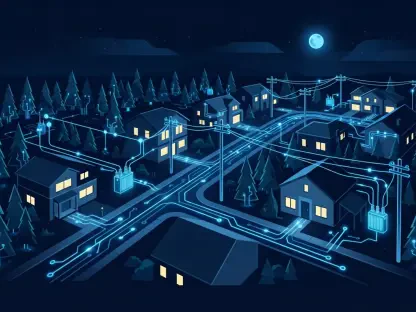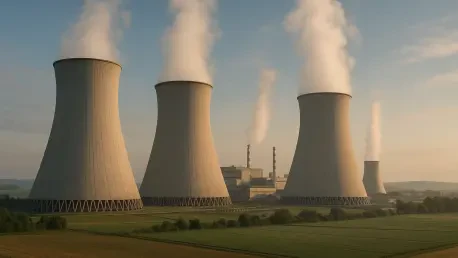
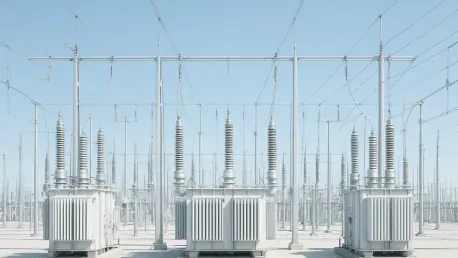
The rapid evolution of cross-border infrastructure in the Eastern Mediterranean suggests that the power balance is shifting toward a more integrated and technologically advanced energy network. Current diplomatic engagements highlight a pivot where energy security is no longer viewed as a national

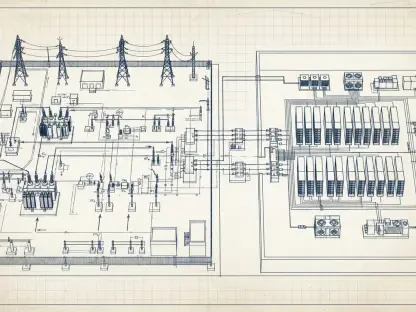
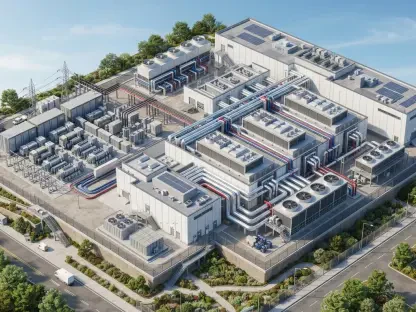
The unprecedented acceleration of gigascale artificial intelligence training facilities is fundamentally transforming the relationship between massive industrial loads and the aging electrical infrastructure of the modern power grid. For several decades, the framework for evaluating large-scale

As electricity bills climb across the Rocky Mountains, Colorado is quietly dismantling the century-old monopoly of massive, distant power plants in favor of a decentralized network that keeps energy closer to the people who use it. This transformation signifies more than just a technological
Grid operators often resort to intentional power cuts to save the system during peak demand, but new AI models could reduce these incidents by over fifty percent. As the global energy landscape undergoes a radical shift towards intermittent renewables, the traditional methods of managing load are

The Federal Energy Regulatory Commission has mandated a temporary cessation of power generation to address the immediate needs of migratory fish populations in Oregon. This decision marks a significant shift in how regional authorities balance renewable energy production with environmental
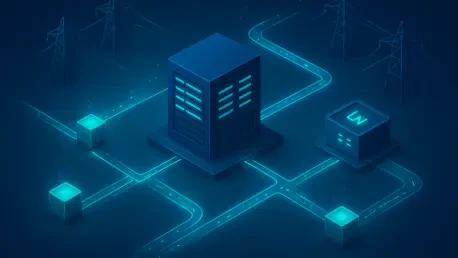
Large energy users exceeding 50 megawatts of demand will face new visibility and modeling requirements under a proposed regulatory overhaul. As the proliferation of generative artificial intelligence and high-performance computing clusters accelerates across the Midwest, the Midcontinent