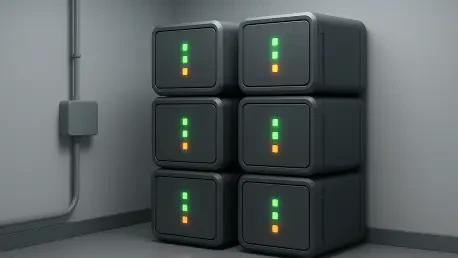

Homeowners seeking data independence can now manage their energy consumption locally through a dedicated 7-inch interface without relying on external internet connectivity. At the Solar & Storage Live UK 2026 exhibition in Birmingham, EP Cube showcased its latest residential and small commercial energy storage systems, aiming to redefine how British households interact with the grid. This launch represents a significant milestone for the subsidiary of Canadian Solar, as it introduces the EP CUBE Single-Phase 2.0 alongside a more robust Three-Phase Light solution for commercial use. These units employ modular lithium-iron phosphate battery packs, which allow users to scale their capacity from 5 kWh to 40 kWh based on specific needs. By integrating multiple maximum power point trackers, the systems maintain high efficiency while supporting photovoltaic input capacities of up to 24 kW. Such technical flexibility ensures that both new solar adopters and those looking to retrofit existing arrays can achieve optimal energy yields.
Advanced Hardware Synergy for the Smart Home
The evolution of the modern household requires more than just a battery; it demands a unified ecosystem where different high-power devices communicate seamlessly. To address this, the brand introduced specialized AC electric vehicle chargers in 7.4 kW and 11 kW configurations that connect directly with the energy storage backbone. This integration allows the system to prioritize vehicle charging during periods of excess solar generation, effectively turning an EV into a mobile extension of the home storage capacity. By aligning transportation energy needs with renewable production, homeowners can significantly reduce their reliance on expensive grid power during peak evening hours. The physical connection is supported by sophisticated internal logic that balances the load between the household appliances, the stationary battery, and the vehicle. This holistic approach simplifies the user experience by providing a single point of control for the most energy-intensive assets within a residence today.
Managing these interconnected components requires a high degree of automation, which is delivered through the updated proprietary application featuring a Dynamic Pricing AI mode. This software has been specifically calibrated for the United Kingdom’s unique electricity market, which is characterized by highly volatile and dynamic time-of-use tariffs. The artificial intelligence within the app constantly monitors fluctuating market prices and historical consumption patterns to make real-time decisions about when to store energy or discharge it back into the home. By automating these complex financial calculations, the system removes the burden from the consumer while ensuring that the storage unit operates at maximum economic efficiency. This level of algorithmic management marks a departure from traditional “set and forget” systems, moving instead toward a proactive energy management strategy that adapts to external economic signals without requiring manual intervention from the user.
Local Autonomy: Prioritizing Control and Grid Resilience
A significant shift in consumer sentiment has led to a growing demand for data privacy and system resilience that does not depend on a constant connection to external servers. The new 7-inch Human Machine Interface serves as a dedicated physical portal that offers comprehensive data visualization and system management directly on-site. This hardware addition ensures that even if a home experiences an internet outage, the homeowner retains full visibility into their energy generation and storage status. Moving the primary control interface to a local, hardwired screen addresses concerns regarding the long-term reliability of cloud-based ecosystems. Furthermore, the company has embraced an open-source philosophy by releasing a set of comprehensive Open APIs. This strategic move allows the storage platform to integrate seamlessly with third-party systems like Home Assistant, fostering a more inclusive smart home environment where users define how their data is utilized across various applications.
The recent unveiling in Birmingham demonstrated that the transition from basic battery units to intelligent energy managers provided a clear path toward localized power autonomy. Industry experts and visitors observed how the combination of high-capacity storage and rapid emergency backup capabilities addressed the core concerns of the modern British consumer. The strategy highlighted the necessity of capturing the nuances of a dynamic tariff market while ensuring that technical systems remained accessible through intuitive local interfaces and open software protocols. These findings suggested that a robust energy future required more than just hardware; it demanded a shift toward automated systems that could navigate complex economic environments independently. For those looking to secure their energy supply, the integration of these AI-driven solutions offered a practical method to mitigate the risks of rising costs. Ultimately, the display confirmed that the next phase of energy independence would be defined by predictive intelligence.