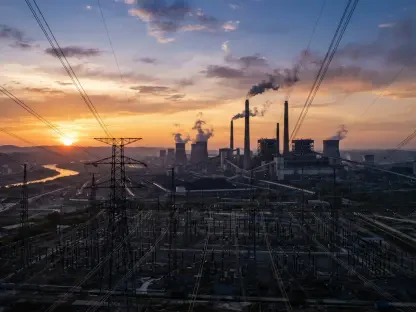

The development of a Current Facilities Requirements document ensures that building operations align with present use cases rather than outdated construction intents. This alignment is vital as the American energy landscape undergoes a profound transformation driven by shifting demand patterns and an increasingly strained electrical grid. Electricity now accounts for approximately 60% of the total energy consumed by commercial buildings in the United States, representing a massive slice of the national load. By 2027, demand from commercial and industrial customers is expected to surpass residential use for the first time in history, signaling a fundamental shift in how the grid must be managed. This surge, coupled with volatile fuel costs and the push toward electrification, has turned energy efficiency from a secondary sustainability goal into a primary operational necessity. To mitigate this strain, facilities must focus on maximizing every unit of energy consumed through systematic optimization. By adopting these measures, building owners do more than just lower their own utility bills; they create a virtual power plant effect that improves the overall reliability of the national distribution network.
Enhancing Existing and New Infrastructure
Restoration Strategies: Existing Facilities
For existing structures, retro-commissioning serves as a vital process to identify and correct operational discrepancies that accumulate over time as mechanical systems age and operational needs change. Building systems inevitably drift from their original design parameters, leading to significant waste and inefficiency that often goes unnoticed by facility managers until utility bills skyrocket. Retro-commissioning acts as a restorative measure, resetting these systems to ensure they function as intended without requiring massive capital expenditures or major structural overhauls. This process is essentially a comprehensive tune-up that scrutinizes how a building breathes, heats, and cools in its current environment. By addressing these minor deviations before they compound into major system failures, organizations can maintain a high level of performance. This strategy ensures that the built environment remains a productive asset in the face of rising energy costs and grid instability. Over time, these small adjustments lead to a significant cumulative reduction in carbon footprints across the commercial sector.
An effective restoration strategy involves recalibrating sensors and resetting control sequences that have become inefficient over years of continuous use. This technical deep dive includes rigorous preventive maintenance, such as repairing minor leaks, cleaning heat exchange coils, and maintaining steam traps to prevent unnecessary energy loss. Beyond the mechanical fixes, the process involves a thorough review of the building’s sequence of operations to ensure the automation system is not fighting against itself. For instance, simultaneous heating and cooling in different zones of the same floor can be rectified through software adjustments rather than expensive hardware swaps. These refinements lead to immediate reductions in consumption and significant improvements in occupant comfort. Furthermore, documented operational guidelines provide facility staff with a roadmap for maintaining these gains indefinitely. This proactive approach transforms a reactive maintenance culture into one focused on precision and long-term performance, ensuring the longevity of critical assets.
Design Integration: New Construction
While restoration focuses on correcting the past, commissioning is a forward-looking process applied to new construction to ensure efficiency is baked into a building’s DNA from the very first brick. The most effective commissioning begins during the pre-design phase rather than serving as a post-construction checklist performed just before the grand opening. By involving energy experts early in the process, owners can set specific performance goals that architects and engineers then integrate into the fundamental design of the facility. This early collaboration prevents future energy waste by ensuring that every system, from the envelope to the HVAC, is sized and selected for maximum synergy. When efficiency is a core design requirement, it eliminates the need for costly retrofits later in the building’s lifecycle. This holistic view of the construction process allows for the implementation of advanced materials and smart technologies that might otherwise be overlooked during a standard build-out.
A prime example of design-based efficiency is the management of high-cooling loads in data centers or IT-heavy facilities which generate immense amounts of thermal energy. Rather than venting this heat into the atmosphere as waste, proactive commissioning allows this thermal byproduct to be captured and repurposed for space heating or domestic hot water. This strategy significantly lowers the overall energy footprint of the building and reduces the strain on external heating systems. The commissioning process concludes with rigorous functional testing under various load conditions to verify that these integrated systems perform as modeled. Additionally, training facility staff on these sophisticated systems ensures they are maintained at peak performance levels long after the construction phase is complete. This transfer of knowledge is essential for preventing the performance drift that often plagues high-tech buildings. By investing in the human element, owners protect their long-term operational investments and environmental goals.
Collaborative Frameworks for Long-Term Stability
Financial Frameworks: Strategic Incentives
A successful transition to a resilient grid requires a deep partnership between utilities and commercial customers to overcome the significant barrier of upfront costs associated with modernization. Facility managers are increasingly encouraged to leverage state-level initiatives, such as those provided by NYSERDA in New York or similar bodies in California, which offer financing for electrification and technical studies. These programs provide the necessary capital to move beyond simple lighting upgrades into more complex mechanical system overhauls. By utilizing these state-sponsored resources, stakeholders can justify the initial expenditure through guaranteed long-term savings and reduced operational risk. These financial frameworks turn the daunting task of deep energy retrofits into a series of manageable, phased projects. Furthermore, these initiatives often include technical assistance that helps building owners navigate the complexities of modern energy regulations and rebate applications, ensuring every dollar is maximized.
Utilities benefit significantly from communicating these opportunities, as incentivizing efficiency helps them manage load profiles more effectively during peak demand periods. As the demand from electric vehicles and large-scale heat pumps grows from 2026 to 2030, the strain on the existing distribution grid will only intensify. By working in tandem with building owners to reduce peak demand through efficiency, utilities can ensure a more stable supply of power for all users without overbuilding the infrastructure. This collaborative environment rewards proactive energy management through specialized rates and demand-response programs that provide additional revenue streams for participating buildings. The shift toward a digitized grid allows for real-time communication between the utility and the facility, enabling automated adjustments that benefit both parties. This level of integration is essential for creating a modern power network that can handle the complexities of a decarbonized economy while maintaining reliability.
Economic Stability: Infrastructure Longevity
The benefits of widespread optimization extend far beyond individual buildings, contributing to the broader stability of the national infrastructure through reduced peak loads. By reducing overall consumption and waste, utilities can extend the operational life of existing hardware and defer expensive capital projects that would otherwise drive up rates for the average consumer. This delay in infrastructure spending helps stabilize electricity costs for all customers, providing a vital economic cushion during periods of rising inflation and energy affordability challenges. Improved grid reliability is directly reflected in better technical performance metrics, such as the System Average Interruption Duration Index. Fewer outages mean higher productivity for businesses and greater safety for the community at large. Moreover, a more efficient grid is a more resilient grid, capable of withstanding extreme weather events. This systemic strength is the ultimate goal of large-scale commissioning and restoration efforts.
Ultimately, the industry recognized that the path to a sustainable future was paved with the meticulous optimization of every kilowatt-hour used across the built environment. Stakeholders successfully moved away from reactive maintenance and embraced a culture of continuous commissioning that prioritized system integrity. By aligning daily operations with global climate goals, businesses did more than just protect the integrity of the power grid; they secured a stable and affordable energy future for the general public. Looking ahead, facility managers should begin by conducting a comprehensive energy audit to identify immediate opportunities for retro-commissioning. Engaging with local utility providers to explore available incentives and rebates will further accelerate the implementation of high-efficiency technologies. Prioritizing the training of onsite staff remains a critical next step to ensure that technological gains are sustained over the long term. These actions will empower organizations to lead the transition successfully.