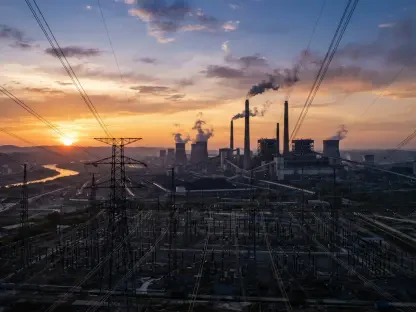

Airlines currently hesitate to adopt sustainable alternatives due to high costs, resulting in an expected output of only 2.4 million tonnes despite much higher projected capacity. This economic friction persists even as the global aviation sector faces increasing pressure to meet stringent net-zero goals. Bain Capital has identified this gap not as a permanent barrier but as a massive investment opportunity, specifically through its major stake in EcoCeres. The private equity firm is positioning this specialized producer to lead the charge in decarbonizing long-haul flights where hydrogen and battery technologies remain technologically out of reach. By focusing on Sustainable Aviation Fuel, EcoCeres aims to provide a drop-in solution that requires no major modifications to existing aircraft engines or infrastructure. As governments across Europe and Asia begin to transition from voluntary targets to mandatory blending requirements, the strategic value of established production facilities becomes more apparent. This shift represents a fundamental transformation in how global logistics hubs plan their fuel procurement.
Regulatory Frameworks and Regional Expansion
The current legislative landscape serves as the primary engine driving demand for renewable fuels in major economic zones. In China, the 15th Five-Year Plan has officially designated the development of sustainable fuel as a top industrial priority, signaling a move toward concrete blending mandates that will force a shift in consumption patterns. While the broader mainland market prepares for these requirements, Hong Kong has already taken a proactive stance by establishing a target for one to three percent usage for all departing flights by 2030. This local mandate provides a reliable baseline for producers who need long-term off-take certainty to justify massive capital expenditures. James Tam of Bain Capital has noted that these regulatory signals are essential for bridging the gap between current production costs and the operational budgets of major airlines. Without these clear legal frameworks, the transition would likely remain stalled by the premium price of green alternatives for many years to come.
To capitalize on these emerging regional requirements, EcoCeres is aggressively expanding its industrial footprint through a massive investment program totaling one point twenty-seven billion dollars. A central component of this strategy is the development of a state-of-the-art refinery in Dongguan, located within the heart of the Guangdong province. This facility is strategically positioned to serve the massive aviation demand coming from the Greater Bay Area, including major international hubs like Hong Kong, Shenzhen, and Guangzhou. By locating production close to high-traffic airports, the company significantly reduces the logistical costs and carbon footprint associated with transporting the fuel itself. This regional concentration allows for a more efficient distribution network that can react quickly to fluctuations in local demand. Furthermore, the expansion extends beyond China, with significant production capacity already operational in Malaysia. These facilities combined provide a diversified production base.
Supply Chain Resilience and Global Financial Integration
The success of any sustainable fuel producer relies heavily on the reliability and ethical sourcing of its raw materials, often referred to as feedstocks. EcoCeres has distinguished itself by building a vertically integrated technology system that focuses exclusively on waste-based inputs rather than food crops. The company currently manages a robust supply chain that sources used cooking oil from approximately half a million restaurants throughout China. This approach not only prevents waste from entering the environment but also ensures that the fuel produced meets the strictest international sustainability standards. By maintaining a high degree of traceability, the firm provides airlines with the verified data they need to satisfy environmental auditors and regulatory bodies in Europe. This data-driven transparency has become a critical selling point for premium carriers such as Air France and British Airways, who are willing to pay a premium for fuel that guarantees a significant reduction in lifecycle emissions.
Strategic leadership in the green aviation sector eventually shifted toward those who successfully integrated legislative compliance with industrial-scale output. Industry stakeholders recognized that the only way to lower prices for sustainable alternatives was to achieve massive economies of scale and secure long-term government support. Policymakers acted to implement more aggressive blending mandates that effectively normalized the use of renewable fuels across all international routes. As production costs decreased through technological innovation and better supply chain management, the initial hesitation from airlines began to dissipate. Forward-looking carriers invested in long-term off-take agreements to lock in supply and protect themselves against future price volatility in the traditional oil market. The transition focused on creating a standardized global market where sustainable options were the default choice. This approach ensured that the aviation sector maintained its growth while hitting its climate goals.