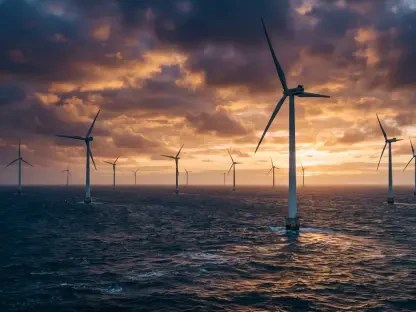

The withdrawal of the government-owned utility CleanCo from a 103-megawatt portion of the MacIntyre project has notably reduced the facility’s total generation capacity. This development marks a significant turning point for what was intended to be a flagship renewable energy precinct in Queensland, illustrating the precarious nature of large-scale green energy transitions. Originally envisioned as a massive installation exceeding one gigawatt, the project has been forced to downscale to approximately 923 megawatts following shifts in government participation. Such a reduction highlights the volatility inherent in massive infrastructure ventures where public policy and private investment intersect. As the region moves closer toward its decarbonization goals, the hurdles faced at this site serve as a vital case study in project management and risk mitigation for future wind developments across the continent throughout 2026 and into the next decade. The energy market continues to watch closely as the facility attempts to stabilize its operations and regain its momentum.
Structural Challenges: Navigating Equipment and Timing
Equipment Integrity: Addressing Technical Failures
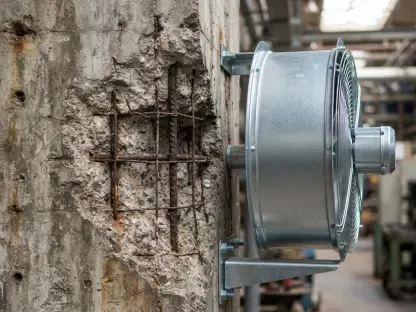
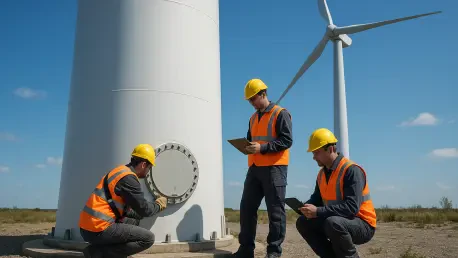
Addressing technical setbacks has become a primary focus for the project’s lead developer, Spain’s Acciona Energía, following a series of mechanical failures. A critical turbine blade malfunction that occurred in late 2024 necessitated an immediate suspension of expansion activities to allow for a comprehensive safety review. This event led to a widespread replacement program for the Nordex turbines, ensuring that each unit is equipped with hardware capable of withstanding the rigorous demands of the Australian climate. Currently, the facility is operating at a restricted hold point of 670 megawatts, which represents only about 73 percent of its intended operational capacity. The process of auditing and upgrading hundreds of individual components is a labor-intensive endeavor that requires specialized technical teams and heavy-lifting equipment to ensure the long-term structural integrity of the farm’s generation assets. These measures are essential to guarantee that the facility eventually reaches its full potential without further mechanical risks.
Timeline Extensions: Managing Logistical Realities
The timeline for achieving full commercial operation has seen substantial adjustments, moving from an initial target of late 2024 to a new projected date in mid-2027. This multi-year extension reflects the complex logistical challenges of managing a project of this scale during a period of fluctuating supply chain stability and labor availability. Orchestrating the delivery and installation of specialized turbine components involves a high degree of synchronization, and even minor disruptions can lead to significant cumulative delays. The revised schedule allows for a more phased approach to commissioning, which prioritizes grid stability and technical safety over rapid deployment. Developers have had to navigate a landscape where construction windows are tightly constrained by local seasonal conditions and environmental permits. While the delay is a setback for immediate energy production targets, the extended timeframe provides an opportunity to integrate more robust monitoring systems that can prevent similar issues from arising.
Commercial Adjustments: Stability and Strategic Planning
Renegotiated Contracts: Securing Utility Agreements
Commercial stability has required a series of intensive renegotiations between the project owners and state-owned utilities to address the financial impacts of the delays. CleanCo has notably revised its original offtake agreement, increasing its commitment from 400 megawatts to 490 megawatts to help bridge the gap created by the project’s reduced scale and delayed delivery. This amendment also included an extension of the contract duration, providing a more stable revenue stream for the developer while securing a larger portion of renewable energy for the utility’s portfolio. At the same time, Stanwell is continuing to engage with Acciona to adjust the terms of its 150-megawatt power purchase agreement, reflecting the new operational realities and delivery timelines. These contractual revisions are a testament to the constructive relationships between the public and private sectors, as both parties seek to mitigate the risks associated with large-scale energy infrastructure projects through transparent communication.
Future Resilience: Lessons from the Energy Transition
Stakeholders determined that the setbacks encountered during the project’s execution necessitated an overhaul of risk management strategies for future renewable developments. Moving forward, developers implemented more stringent pre-commissioning stress tests on all mechanical components to identify potential manufacturing defects before they reached the field. Regional planners also prioritized the diversification of equipment suppliers to reduce the impact of single-source technical failures on the broader construction schedule. Legal teams began incorporating more flexible clauses into power purchase agreements, allowing for contingencies that protected both the investment and the public interest during periods of operational uncertainty. Strengthening the localized technical workforce ensured that maintenance and component replacements could be performed with minimal downtime. Ultimately, the resolution of these challenges established a blueprint for more resilient systems, where proactive monitoring and adaptive commercial frameworks became the industry standard.