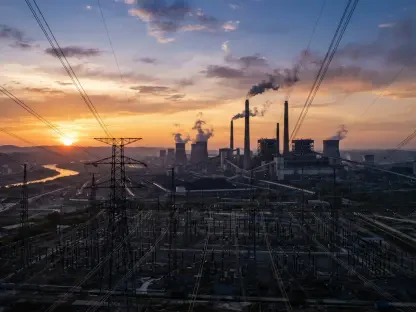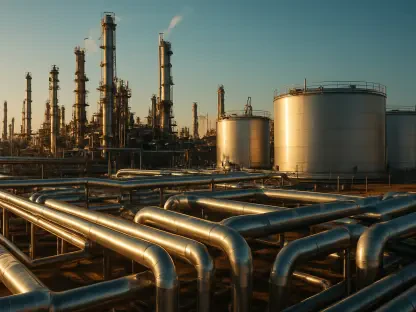

The geopolitical landscape surrounding the Korean Peninsula has recently been defined by a precarious balance between industrial demand and global supply volatility. As the nation prepares for the colder months, the Ministry of Trade, Industry and Resources has signaled a major breakthrough in securing the essential raw materials required to power its massive manufacturing sector. Just weeks ago, economic analysts expressed deep concern regarding a potential shortfall in crude oil and naphtha, which are the lifelines of the domestic petrochemical industry. However, the latest data suggests that the South Korean government has successfully mitigated these immediate threats by securing over 90 percent of the necessary supplies for the upcoming month of November. This proactive approach marks a significant recovery from the mid-September projections, when coverage levels hovered at a much more alarming 70 percent. This stabilization provides a much-needed reprieve for the broader economy as it moves toward the end of the year.
Strategic Supply Management and Geopolitical Resilience
Regional Tensions: Logistics and Global Stabilization
The initial anxiety that gripped the Korean energy market was largely driven by the deteriorating security situation in the Middle East, which historically supplies a vast majority of the country’s crude oil. These conflicts posed a direct threat to critical maritime logistical channels, such as the Strait of Hormuz, where any disruption could lead to a catastrophic ripple effect across global markets. Furthermore, production outputs from major exporters like Saudi Arabia were under intense scrutiny as regional instability threatened to derail long-term export agreements. At the same time, international markets were spooked by reports that the United States Strategic Petroleum Reserve had reached its lowest levels in four decades, limiting the global buffer against sudden shocks. Despite these daunting factors, the narrative has shifted toward a more manageable outlook as Middle Eastern exports show resilience and logistical corridors remain operational through coordinated security efforts by international naval coalitions and various trade partners.
Global Cooperation: Leveraging Strategic Reserves and Diversification
To further fortify the national position, the Korea National Oil Corporation has actively collaborated with G7 nations to participate in coordinated releases of strategic oil reserves. This international cooperation has been instrumental in tempering the wild fluctuations often seen in global benchmark prices, providing a sense of predictability for Korean refiners. By diversifying its supply contracts and exploring alternative sourcing from regions such as the Americas and Africa, the government has built a robust buffer against localized geopolitical volatility. These strategic maneuvers were not merely reactive but part of a broader, multi-year energy security framework designed to transition the country toward a more resilient procurement model. The focus on securing naphtha is particularly critical, as it serves as the primary feedstock for the nation’s sprawling petrochemical hubs in cities like Ulsan and Yeosu. Without a steady flow of this material, the production of plastics and chemicals would fail.
Economic Disconnect and the Path Toward Price Stability
Market Dynamics: Retail Pressure and Inflationary Trends
Even as the volume of energy supplies reaches a comfortable threshold, a significant disconnect persists between international wholesale prices and the costs faced by Korean consumers at the pump. Global benchmarks for Brent and West Texas Intermediate crude have recently trended downward, settling near $100 and $89 per barrel, respectively, yet domestic retail prices remain stubbornly high. Gasoline and diesel costs continue to linger around the 1,850 won per liter mark, creating a financial burden for logistics firms and everyday commuters alike. This disparity is often attributed to the lag time in refining cycles and the complex tax structures that govern domestic fuel sales. Government officials are now facing mounting pressure to address this price stickiness, as the high cost of energy continues to fuel inflationary pressures throughout the broader economy. While the immediate threat of a shortage has been successfully averted, the ongoing economic pressure remains a persistent challenge for the public.
Future Perspectives: Structural Reforms and Long-Term Solutions
Looking forward, the focus shifted from simple supply acquisition to the sophisticated management of retail price transparency and the acceleration of energy diversification. The government initiated new oversight mechanisms to ensure that the benefits of lower international crude prices were more effectively passed down to the end consumer. Policymakers also recognized that the long-term solution to such recurring crises lay in the aggressive expansion of renewable infrastructure and the adoption of hydrogen-based industrial processes. The successful navigation of the November supply crunch served as a case study in proactive governance, proving that early intervention and international diplomacy could protect the domestic market from external shocks. While the physical energy crisis was avoided, the experience underscored the necessity of reducing the national dependency on imported hydrocarbons. By investing in next-generation storage systems, the nation positioned itself to handle future volatility with more autonomy and resilience.