
The Challenge: Meeting Unprecedented Energy Demand in the Carolinas
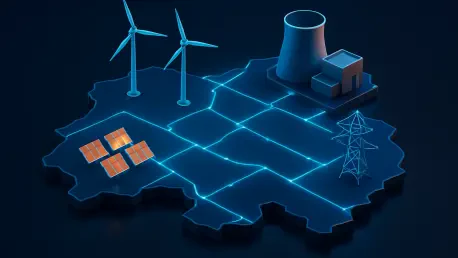
The rapid migration of industrial giants and thousands of new residents into the Carolinas has forced a critical re-evaluation of how the region maintains its energy equilibrium and infrastructure. As North and South Carolina emerge as top-tier economic hubs, the utility sector faces a significant test of its capacity and foresight. Duke Energy’s 2026 Carolinas Resource Plan serves as a detailed roadmap to accommodate a forecasted 30% increase in winter peak load over the next fifteen years. To manage this massive 10-gigawatt surge, the utility is drafting a strategy that balances immediate reliability with the long-term move toward sustainability.
From Traditional Power to a Modernized Grid Strategy
Historically, coal and legacy nuclear facilities anchored the regional economy, supporting textile mills and expanding suburban centers. However, the shift toward a modernized grid involves retiring these aging units and integrating more complex, flexible technologies. This evolution is necessary because the existing grid was not designed to handle the modern volatility of extreme weather events and high-intensity data centers. Understanding these historical foundations is vital for recognizing why the current expansion requires a fundamental departure from the simple baseload models used in the past.
A Diversified Portfolio: Balancing Renewables With Reliability
Integrating Massive Solar Capacity With Necessary Energy Storage
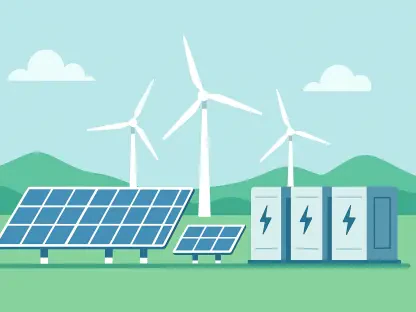
Solar energy remains a central pillar of the new strategy, with the utility aiming to integrate 18.5 GW of new solar power by 2041. While solar provides a cost-effective and carbon-free source of electricity, its intermittent nature continues to be a hurdle for consistent grid operations. To address this, the plan includes a massive 13 GW investment in energy storage systems, which act as giant batteries to capture excess power during the day. This combination allows for a more resilient system, though the rapid pace of storage deployment requires unprecedented capital and technological coordination.
Maintaining Firm Power Through Strategic Natural Gas Expansion
Despite the heavy focus on renewables, reliability in the Carolinas depends on “firm” power that can be dispatched at any moment. The 2026 proposal includes 14 GW of new natural gas generation, which acts as a safety net during periods when solar or wind are unavailable. This capacity is split between 8.2 GW of high-efficiency combined cycle plants and 5.8 GW of combustion turbines. While some debate the role of gas in a carbon-conscious world, the utility argues these assets are essential near-term resources to prevent blackouts during the region’s industrial boom.
Extending the Nuclear Backbone and Enhancing Grid Edge Programs
Nuclear energy continues to be the silent workhorse of the region, providing a steady stream of carbon-free baseload power. The resource plan doubles down on this asset by proposing 4.5 GW of new nuclear capacity and seeking life extensions for existing plants to reach an 80-year lifespan. Beyond generation, the utility is focusing on “grid edge” strategies like demand-side management and energy efficiency. By aiming for a 1% annual energy saving target, the strategy seeks to reduce the total amount of power that needs to be produced, proving that smarter consumption is just as vital as building new plants.
Future Innovations: Regulatory Milestones in Energy Infrastructure
The future of energy in the Carolinas will be shaped by emerging technologies like Small Modular Reactors and long-duration storage pilots. A pivotal review by the South Carolina Public Service Commission in early 2027 will determine the feasibility and financial approval of these multi-billion dollar projects. As the region becomes a global hub for electric vehicle manufacturing, the pressure to innovate will likely lead to more decentralized micro-grids and advanced digital monitoring tools to manage a more volatile energy environment.
Key Takeaways: Strategic Insights for Stakeholders and Consumers
For businesses, the primary lesson is the growing importance of energy resilience and participation in demand-response programs to lower operational costs. Residents must focus on adopting smart home technologies and efficiency tools to keep utility bills manageable as the grid modernizes. This strategy highlights that a proactive engagement with energy consumption is the best practice for navigating a high-growth economy. The plan underscores that the transition to a modern grid is a shared responsibility between the utility, the regulators, and the consumers.
Sustaining Regional Growth Through a Multifaceted Energy Strategy
The 2026 resource plan represented a complex balancing act that reconciled aggressive economic growth with the necessity of grid security. By combining a vast solar expansion with a robust backbone of natural gas and nuclear power, the utility bet on a diversified approach to weather the coming decades. The significance of this infrastructure build-out was clear; the economic health of the Carolinas rested entirely on the ability to deliver reliable power. As the region became a global leader in manufacturing, these energy decisions proved to be the bedrock of long-term prosperity and sustainable development.