
The modernization project focuses on replacing the aging electrical protection and distribution frameworks that have supported the plant for more than four decades. This initiative, centered at the Sima hydropower plant in Eidfjord, represents a pivotal moment in Norway’s broader strategy to revitalize its essential energy infrastructure. As the nation’s second-largest hydropower facility, Sima serves as a cornerstone of the regional power supply, boasting an impressive installed capacity of 1,120 MW. Statkraft Energi AS, a premier producer of renewable energy in Europe, has selected the global technology leader Voith to spearhead this extensive overhaul. Since its commissioning in 1980, the facility has generated approximately 3,100 GWh annually, making its sustained reliability a non-negotiable priority for national energy security. This project goes beyond simple maintenance; it is a systematic upgrade of the plant’s nervous system, designed to eliminate technical risks and ensure the site remains a high-performing asset.
Advancing Control Systems: Integration of Modern Automation
The partnership between Statkraft and Voith is founded on a comprehensive full-scope responsibility model, ensuring that every facet of the upgrade is handled with engineering precision. Voith is tasked with the complete refurbishment of the control and electrical systems across all four generating units and two primary waterways. This transformation involves deploying advanced automation technologies and proprietary software developed by specialized in-house teams. By modernizing the digital backbone, the project provides operators with a more intuitive and responsive interface, allowing for precise management of the plant’s massive energy output. These digital enhancements are critical for bringing a facility designed in the late twentieth century up to the rigorous standards of the modern era. Moreover, the integration of these sophisticated systems allows for better data collection and real-time monitoring, which are essential for optimizing the efficiency of water usage and power generation throughout the year.
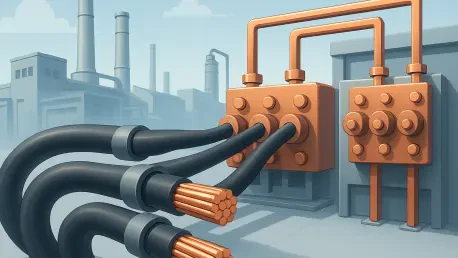
Beyond the digital infrastructure, the contract includes the installation of new electrical protection systems and updated AC and DC distribution networks. These hardware components are vital for safeguarding the plant’s heavy machinery against electrical faults that could lead to catastrophic damage or prolonged downtime. The scope of work also encompasses extensive recabling and the replacement of medium-voltage components, which have reached the end of their predicted operational life. By reinforcing this physical infrastructure, the upgrade ensures that the facility can handle the high-performance demands of today’s volatile energy markets while significantly extending its overall lifespan. This holistic approach to modernization recognizes that software excellence must be matched by robust physical hardware to achieve true reliability. Such investments are necessary to prevent the mechanical failures that often plague aging facilities, thereby securing a stable supply of renewable energy for the domestic grid and international partners.
Seamless Integration: Maintaining Power Generation During Upgrades
One of the most complex challenges facing the Sima project is the absolute requirement to keep the plant operational throughout the modernization process. In the contemporary energy sector, significant downtime is not only financially draining but can also threaten the stability of the entire national grid. To navigate this constraint, Voith is implementing a surgical phased approach, which involves integrating new components into the existing infrastructure in a carefully managed sequence. This allows Statkraft to maintain steady production levels while technical upgrades are being performed on specific units. This method requires an extraordinary degree of coordination between the engineering teams and the plant operators to ensure that the transition does not disrupt the flow of electricity to consumers. By avoiding a total shutdown, the project team demonstrates a sophisticated understanding of the economic realities of large-scale power production, where every hour of generation contributes to the facility’s viability.
This strategy of performing hot upgrades highlights a growing industry trend that prioritizes the protection of revenue streams and energy security over the simpler but more disruptive cold restart method. Executing such a plan requires extreme engineering precision, particularly as new digital systems must interface seamlessly with legacy analog components during the long transition period. This dual-track operation ensures that the old and new systems work in harmony until the full replacement is complete. Such a high-stakes environment demands rigorous testing protocols and a deep understanding of the original 1980s-era design. By successfully bridging the gap between historical engineering and modern technology, the project sets a new benchmark for how legacy hydropower assets can be upgraded without sacrificing their immediate utility. This approach ultimately reduces the risk of unforeseen complications that can occur when bringing a massive facility back online after a total outage, ensuring a smoother transition to the new system.
Strategic Alliances: The Value of Long-Term Industry Partnerships
The success of this high-stakes endeavor is deeply rooted in a collaboration between Voith and Statkraft that spans more than two decades. This long-term relationship provides the project teams with a nuanced understanding of Statkraft’s specific operational requirements and the unique environmental challenges presented by the rugged Norwegian terrain. Mutual trust between the two entities allows for streamlined decision-making processes and significant risk minimization during the construction phase. Having worked together on numerous previous initiatives, both organizations have developed a shared technical language and a common approach to safety and quality control. This historical context is invaluable when navigating the complexities of Norway’s second-largest plant, ensuring that the engineering excellence established when the facility was built is successfully carried forward. Such partnerships are increasingly seen as a competitive advantage in the renewable energy sector, where the complexity of modern technology requires a high level of cooperation.
The modernization of the Sima plant is emblematic of a broader trend across Northern Europe to optimize existing renewable energy assets rather than relying solely on new construction. Similar projects in the region, such as the rehabilitation of the Strandfossen and Svartisen plants, highlight a concerted effort to extract more power from current sites through technological sophistication. As the industry moves toward the integration of artificial intelligence and advanced data science, projects like Sima serve as definitive examples of how legacy assets can be transformed into resilient, future-ready powerhouses. These regional developments suggest that the future of hydropower lies in the marriage of heavy mechanical engineering and digital optimization. By focusing on capacity upgrades and system efficiency, energy producers are able to meet rising demand without the significant environmental footprint associated with new dam projects. This strategic shift reflects a mature approach to resource management, where the focus is on longevity, efficiency, and the intelligent use of existing infrastructure.
Future Considerations: Actionable Insights for Energy Infrastructure
The successful completion of these initial phases provided a clear roadmap for other operators looking to modernize aging hydropower fleets. It demonstrated that a proactive approach to replacing electrical protection systems significantly reduced the likelihood of unplanned outages while simultaneously lowering long-term maintenance costs. Stakeholders recognized that the investment in high-quality hardware and proprietary control software paid dividends in both grid stability and operational flexibility. Looking ahead, the industry should prioritize the adoption of modular upgrade strategies that allow for continuous operation, as seen in the Sima model. Furthermore, fostering deep technical partnerships with equipment manufacturers proved to be a critical factor in mitigating the risks associated with legacy technology. These efforts ensured that the facility was prepared to meet the evolving demands of the energy market, proving that strategic modernization was the most effective path toward achieving a sustainable and resilient national power network for the coming decades.