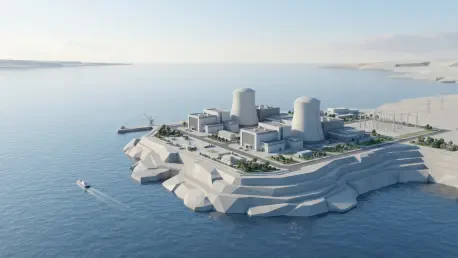

Turkey’s shift toward nuclear energy is a strategic move to reduce its heavy reliance on imported energy sources and domestic coal-fired power plants. This transition represents one of the most ambitious infrastructure overhauls in the nation’s history, centering on the Akkuyu Nuclear Power Plant in Mersin Province. As energy demands continue to soar across the Mediterranean region, the $25 billion facility serves as a cornerstone for long-term economic stability and grid reliability. The integration of nuclear power into the national energy mix is not merely an engineering feat but a fundamental pivot toward low-carbon generation. By diversifying away from natural gas imports, the government aims to insulate the domestic market from global price volatility. This massive undertaking reflects a broader vision of modernization, where advanced technology meets the growing industrial needs of a rising economic power. As the first reactor begins its operational life in late 2026, the scale of this partnership highlights a transformative era.
Strategic Implementation and Technical Capacity
Power Generation and Energy Security
Building on this domestic vision, the Akkuyu facility is designed to generate approximately 4.8 gigawatts of power once all four units are fully operational, representing a massive leap in production capabilities. This output is expected to account for roughly 10% of the country’s total electricity consumption, which remains the fastest-growing demand among International Energy Agency member states. Annually, the complex will provide about 35 billion kilowatt-hours, offering a stable baseload supply that intermittent renewable sources cannot currently match. By establishing this reliable energy foundation, the nation significantly reduces its vulnerability to external supply disruptions and price spikes in the fossil fuel market. The strategic placement of the plant ensures that heavy industrial zones have direct access to high-capacity electricity, fueling further expansion. This massive injection of power into the grid serves as a catalyst for sustainable development.
The Build-Own-Operate Framework
This logistical integration leads naturally to the unique “build-own-operate” model, which sets a new precedent for international nuclear cooperation. Under this arrangement, Russia’s state-owned corporation, Rosatom, assumes the vast majority of financial and operational responsibilities, including design, construction, and long-term maintenance. This includes the provision of nuclear fuel and the management of radioactive waste, ensuring a comprehensive lifecycle approach. While this model relieves the host nation of the immediate financial burden of a $25 billion investment, it creates a deep, multi-decadal interdependence between the two nations. For a prominent NATO member to grant a foreign entity control over a critical energy asset for a 60-year lifespan is a bold geopolitical move. This arrangement provides the technical expertise and capital necessary for such a complex project while tying national energy security to a single international partner.
Operational Safety and National Integration
Engineering Resilience and Environmental Protection
While the economic and operational structures provide a solid framework, the physical security of the site remains a critical priority in an active region. Constructing a nuclear facility in an area known for seismic activity requires exceptional engineering foresight and rigorous safety standards to mitigate potential hazards. Each reactor at the Mersin site is equipped with double containment structures made of reinforced concrete and steel shells designed to withstand external pressure. Beyond structural integrity, the facility incorporates passive safety systems, such as core flooding mechanisms, that function without operator intervention or external power sources during an emergency. To address the specific risks of the Mediterranean coastline, developers implemented extensive breakwaters and earthquake-resistant foundation slabs to protect against storm surges. These redundant layers of protection ensure the plant remains secure even under challenging conditions.
Long-Term Vision and Professional Development
Beyond the immediate technical requirements, the project also emphasized the creation of a domestic nuclear ecosystem through comprehensive workforce training and the exploration of future sites. Hundreds of local engineers completed specialized degree programs at Russian universities to gain the technical proficiency required to manage and maintain the facility. This human capital investment ensured that the transition to nuclear power was accompanied by the growth of a skilled professional class capable of leading the nation’s energy future. While the focus remained on the Mediterranean site, officials expanded discussions to include potential projects along the Black Sea coast and the implementation of small modular reactors. These smaller, flexible units were considered ideal for diversifying the grid and providing localized power solutions. The collaborative effort successfully established a foundation for nuclear independence, marking a definitive shift in the national strategy.