
The recent delivery of high-capacity nuclear components from the specialized docks of Japan to the southeastern riverbanks of France represents a masterclass in industrial logistics and international energy strategy. As the global community intensifies its focus on energy security and carbon neutrality, nuclear power has re-emerged as a vital cornerstone of the modern electrical grid. This resurgence is driven by the recognition that renewable sources, while essential, require the support of stable, high-output baseload power to maintain grid reliability. Mitsubishi Heavy Industries (MHI) stands at the forefront of this movement, providing the sophisticated hardware necessary to keep existing reactors running safely and efficiently.
Strengthening the Global Nuclear Infrastructure and the Role of Advanced Heat Exchangers
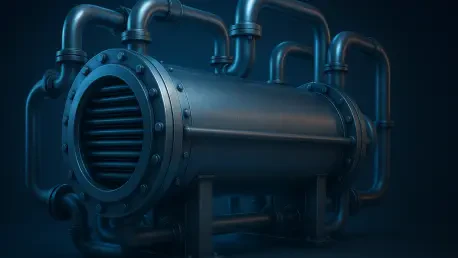
In the current global landscape, nuclear energy provides a unique solution to the twin challenges of rising demand and the urgent need to reduce greenhouse gas emissions. Steam generators act as the heart of a pressurized water reactor, serving as the critical bridge between the radioactive thermal energy generated in the reactor core and the steam that drives the electricity-producing turbines. By facilitating this heat transfer under intense pressure, these units ensure that carbon-free power is delivered to millions of households. However, the efficiency of this process depends entirely on the structural integrity of the heat exchanger components, which must withstand decades of thermal stress.
The strategic partnership between Mitsubishi Heavy Industries, Électricité de France (EDF), and Onet Technologies has become a defining feature of the European energy market. This collaboration combines Japanese manufacturing precision with French operational expertise, creating a robust supply chain for the maintenance of France’s extensive nuclear fleet. While new reactor construction often captures public headlines, the replacement market for critical components is equally significant from an economic and technical standpoint. Replacing aging steam generators allows plant operators to extend the life cycles of existing facilities, ensuring a return on investment that spans several decades.
Emerging Dynamics in Nuclear Component Manufacturing and Market Growth
Technological Innovations and Material Advancements
Modern manufacturing has seen a significant shift toward the use of advanced metallurgy to overcome the traditional challenges of corrosion and wear. The latest steam generators utilize TT690 nickel-chromium-iron alloys for their internal heat transfer tubes, a material specifically chosen for its superior resistance to stress corrosion cracking. By applying advanced heat treatments to these alloys, MHI maximizes the operational longevity of each unit, reducing the likelihood of unplanned maintenance and enhancing the overall safety of the power plant. This material evolution is a direct response to the demanding conditions found within a nuclear reactor’s secondary cooling system.
The scale of precision engineering required for these components is staggering, with each 330-ton generator being crafted at specialized facilities like MHI’s Kobe Shipyard. At this facility, engineers utilize digital integration and advanced simulation tools to monitor every stage of production for the high-pressure nuclear vessels. These digital twins allow for real-time adjustments and rigorous quality checks, ensuring that each of the 4,500 heat transfer tubes is perfectly positioned. This high level of technical oversight is essential for components that must operate flawlessly for forty years or more without direct human intervention inside the sealed primary loop.
Global Demand Projections and Strategic Energy Policies
Current market data supports a widespread push for stable, zero-emission energy sources as nations look to replace retiring coal and gas facilities. This has led to a forecasted expansion of baseload power requirements, where nuclear energy fills the gap left by intermittent renewables. The delivery of these units to the Cruas Nuclear Power Plant is part of a broader replacement cycle that is currently peaking across Europe and North America. Many reactors commissioned in the 1980s are now entering a phase where major component upgrades are necessary to maintain their licenses and operational efficiency, creating a steady demand for high-tier manufacturing.
Strategic supply chain resilience has become a top priority for energy providers who cannot afford delays in maintenance schedules. MHI’s track record, which includes the delivery of over 130 units worldwide, positions the company as a dominant force in the global nuclear supply chain. By maintaining a steady production flow at the Kobe Shipyard, MHI ensures that it can meet the needs of international clients despite the complexities of global trade. The ongoing shipment program from 2026 to 2028 will see the remaining six units leave the facility, further solidifying the stability of the French energy sector during this critical transition period.
Navigating Engineering Hurdles and Logistical Complexities
Addressing the extreme temperature and pressure stresses within a reactor necessitates components that can survive a lifetime of intense structural loading. Over decades, the materials in older generators can experience degradation that limits their performance, making replacement a logical and necessary step for long-term safety. The engineering challenge lies not just in building these 21-meter-tall giants, but in ensuring that they can be integrated into existing plant architectures without disrupting the complex network of primary and secondary piping. This requires a level of customization that few industrial manufacturers can provide.
The logistical feats involved in transporting these massive units from Japan to the southeastern department of Ardèche are equally impressive. Moving 330-ton components halfway across the world requires a coordinated effort between maritime shipping experts and specialized inland transport teams. Upon arrival in France, the generators must navigate narrow roads and bridges to reach the Cruas site, a process that demands surgical precision. Beyond the hardware itself, the industry must also focus on maintaining knowledge continuity, ensuring that the specialized engineering expertise of the workforce is preserved and passed down to new generations of technicians and designers.
The Rigorous French Regulatory Landscape and Compliance Standards
Operating within the French nuclear sector requires adherence to some of the most exacting safety benchmarks in the world. The French nuclear regulatory authority enforces stringent requirements for hardware certification, covering everything from the chemical composition of the steel to the precision of the welding processes. Every component must undergo a multi-year validation process to ensure it meets these high standards. This rigorous oversight provides the public with confidence that the energy infrastructure is built to the highest possible levels of safety and reliability, a prerequisite for the continued acceptance of nuclear power.
The timeline from the initial contract agreement in 2019 to the final manufacturing completion and approval in early 2024 highlights the thorough nature of the certification process. Receiving the certificate of compliance was a mandatory milestone that allowed for the legal transport and installation of the equipment. By successfully navigating these regulatory waters, MHI has demonstrated an ability to operate in highly regulated markets, which facilitates its growth in other regions like the United States and Belgium. This international standardization is crucial for creating a global market where safety and quality are prioritized over mere cost-cutting.
The Future of Nuclear Energy: Modernization and Global Carbon Goals
Life extension programs are increasingly viewed as the most efficient path toward meeting global decarbonization targets. By replacing key components like steam generators, operators can extend reactor service lives well beyond the initial 40-year design, often reaching 60 or even 80 years of total operation. This approach significantly reduces the carbon footprint of the energy grid by maximizing the utility of existing infrastructure. It also buys time for the industry to develop and deploy next-generation technologies, ensuring there is no gap in the supply of clean energy as older fossil fuel plants are phased out.
Technological evolution is already pointing toward a future shift from large-scale components to Small Modular Reactors (SMRs). While massive pressurized water reactors will remain the backbone of the grid for now, the expertise gained in manufacturing these large generators is directly applicable to the development of smaller, more flexible designs. These future reactors will likely utilize similar advanced alloys and precision manufacturing techniques, further enhancing the safety profile of the industry. As the energy landscape continues to change, the ability to modernize existing assets remains a vital strategy for achieving a sustainable, net-zero future.
Conclusion: Securing the Future of Carbon-Neutral Power Through Industrial Excellence
The successful delivery of the steam generators to the Cruas Nuclear Power Plant demonstrated that international industrial partnerships remained the most effective method for maintaining complex energy grids. This milestone provided a clear path for EDF to continue its mission of providing reliable power while the industry transitioned toward more advanced reactor designs. The project highlighted how the combination of Japanese manufacturing and French operational standards mitigated the risks associated with aging infrastructure. Stakeholders noted that the completion of the certification process established a new benchmark for quality in the replacement component market.
The collaboration between MHI, Onet, and EDF served as a functional model for how global supply chains could support local energy security goals. By completing the shipment on schedule, the partners proved that logistical and regulatory hurdles could be overcome through transparent communication and shared technical standards. The initiative reinforced the idea that investing in existing nuclear assets was a primary driver for immediate carbon reduction. Looking forward, the industry prioritized the development of standardized maintenance protocols to ensure that other global fleets could benefit from similar modernization efforts. This project ultimately confirmed that nuclear energy would remain a pillar of sustainable development for the foreseeable future.