
The rapid evolution of cross-border infrastructure in the Eastern Mediterranean suggests that the power balance is shifting toward a more integrated and technologically advanced energy network. Current diplomatic engagements highlight a pivot where energy security is no longer viewed as a national burden but as a shared regional asset. This transformation relies heavily on the synergy between Türkiye’s established role as a major transit node and Lebanon’s urgent need for a reliable domestic power supply. By aligning technical standards and political will, both nations are positioning themselves to lead a maritime energy revolution that could stabilize one of the most volatile economic corridors in the world.
The Current Landscape of the Türkiye-Lebanon Energy Alliance
The strategic shift toward high-level energy cooperation between Ankara and Beirut represents a move from sporadic assistance to a structured, institutionalized partnership. Historically, Lebanon has struggled with chronic electricity shortages and an aging grid that hinders industrial growth. In contrast, Türkiye has spent the last decade building a sophisticated energy infrastructure that connects diverse sources from the East to the West. This alliance is designed to bridge the gap between these two realities, using Turkish expertise to overhaul Lebanese systems while expanding Türkiye’s influence as a central distribution hub for the Mediterranean.
Integrating the electricity, oil, and natural gas sectors is not merely a matter of convenience; it is a necessity for Mediterranean security. A stable Lebanese energy market reduces the likelihood of economic collapse and internal migration, which in turn benefits regional neighbors. By facilitating the flow of hydrocarbons and electricity across borders, the partnership creates a web of interdependence that discourages conflict. Türkiye’s role is pivotal here, as its robust infrastructure provides the necessary physical backbone for Lebanon to plug into broader international markets, effectively ending its status as an energy island.
Technical expertise remains the primary export in this relationship, as Turkish engineers and policy advisors begin to mentor Lebanese counterparts. This mentorship goes beyond simple repairs, focusing instead on the systemic modernization of the grid to ensure it can handle high-capacity loads. The impact on regional market dynamics is significant, as a functional Lebanese energy sector opens up new opportunities for trade and investment. As these two nations synchronize their efforts, the Eastern Mediterranean is moving away from fragmented national interests toward a unified energy ecosystem that prioritizes efficiency and reliability.
Drivers of Connectivity and Market Evolution
Emerging Trends in Mediterranean Energy Integration
The Mediterranean is currently witnessing a transition from isolated national grids to synchronized regional energy networks that operate under shared technical protocols. This shift is driven by the realization that localized energy solutions are insufficient for modern industrial demands. Instead of building massive, independent power plants, nations are finding it more cost-effective to connect their transmission lines. This allows for a more flexible load distribution, where surplus energy from one country can instantly stabilize a deficit in another, creating a more resilient regional framework.
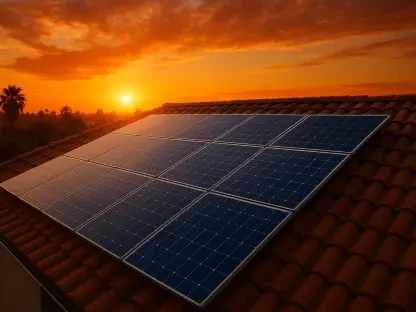
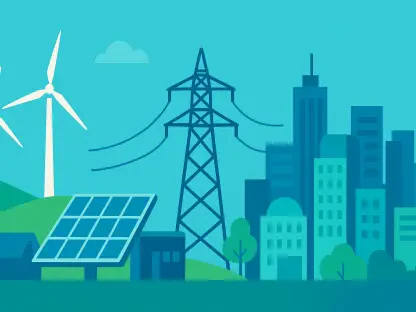
Beyond the traditional reliance on fossil fuels, the bilateral roadmap is increasingly incorporating renewable energy and offshore exploration. The current trend emphasizes the integration of solar and wind power into the primary grid, utilizing Lebanon’s natural coastal advantages and Türkiye’s manufacturing capabilities for green technology. This diversification helps to future-proof the partnership against global fluctuations in oil and gas prices. By moving toward a sustainable model, both countries are aligning their energy policies with global climate standards while securing domestic energy independence.
The relationship is also evolving from a donor-recipient dynamic into a sustainable partnership based on mutual economic benefit. This evolution is characterized by a focus on market-driven solutions rather than political aid. Turkish companies are looking at the Lebanese energy sector as a viable investment destination, while Lebanon sees Türkiye as a gateway to competitive energy prices. This economic alignment ensures that the cooperation remains viable regardless of political shifts, as the financial incentives for maintaining these energy links are too significant to ignore.
Market Projections and Performance Indicators
Forecasting the impact of synchronized electricity transmission on Lebanese industrial productivity shows a potential for significant growth starting from 2026 to 2028. Reliable power is the missing ingredient for many Lebanese manufacturing sectors that have been forced to rely on expensive and polluting private generators. With a stable supply from the Turkish grid, these industries can lower their operational costs and increase output. This surge in productivity is expected to contribute to a more stable national currency and a more attractive environment for foreign direct investment.
The growth potential for natural gas and liquefied natural gas infrastructure remains high, particularly as the Eastern Mediterranean becomes a focal point for global energy supply. Data-driven outlooks suggest that cost reduction will be the primary performance indicator for the success of these projects. By diversifying import routes and utilizing Türkiye’s existing LNG terminals, Lebanon can negotiate better pricing and ensure supply reliability. This shift is projected to reduce energy-related expenditures for the average Lebanese household by a substantial margin over the next few years.
Overcoming Structural and Geopolitical Obstacles
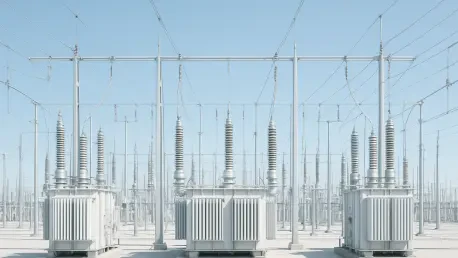
Synchronizing aging infrastructure with modern high-capacity grids presents a range of technical complexities that require precision engineering. Many of Lebanon’s transmission lines were built decades ago and are not equipped to handle the voltage requirements of modern cross-border interconnections. To address this, a phased approach is being implemented to upgrade critical nodes before attempting full synchronization. This strategy ensures that the integration process does not destabilize the existing grid, allowing for a gradual increase in capacity as the infrastructure matures.
Financial and economic barriers continue to pose challenges for large-scale energy projects in the region. The high cost of modernizing equipment and laying subsea cables requires significant capital, which can be difficult to secure in a volatile economic climate. However, by structuring these projects as public-private partnerships, the risk is distributed across multiple stakeholders. This approach, combined with the implementation of phased quick-win projects, helps to build investor confidence. Seeing tangible progress on smaller initiatives makes it easier to justify the larger investments needed for long-term stability.
Geopolitical risks in the Eastern Mediterranean maritime zones also require careful navigation. Overlapping territorial claims can complicate the laying of pipelines and cables. To mitigate these risks, Türkiye and Lebanon are focusing on technical and economic cooperation as a precursor to broader political agreements. By creating a successful model of energy trade, they demonstrate the benefits of cooperation over confrontation. This pragmatic approach focuses on the immediate needs of the population, using energy as a neutral platform for regional stabilization.
Regulatory Frameworks and Standards for Interconnection
Harmonizing energy policies is essential for the seamless cross-border trade of electricity and gas. Without a unified regulatory framework, differences in safety standards and pricing models can create bottlenecks that hinder the flow of resources. Both nations are working toward aligning their energy laws to ensure that contracts are enforceable and that technical specifications are consistent. This legal synchronization provides a clear roadmap for utility companies and private investors, reducing the administrative burden of operating across national boundaries.
International standards play a vital role in ensuring grid security and the resilience of critical infrastructure. By adopting global protocols for grid management, Türkiye and Lebanon can ensure that their interconnected systems are protected from cyber threats and physical disruptions. Technical coordination committees have been established to oversee compliance with these safety protocols. These committees serve as a permanent bridge between the two ministries, providing a space for engineers and policymakers to collaborate on the daily operations of the shared network.
Regional energy laws also have a profound impact on bilateral investment and infrastructure development. When regulations are clear and transparent, it lowers the perceived risk for international lenders and construction firms. The implementation of standardized bidding processes and environmental impact assessments further strengthens the project pipeline. As these regulatory structures become more robust, they attract a wider range of participants, leading to more competitive pricing and the adoption of cutting-edge technologies in the regional energy market.
The Future of Trans-Mediterranean Energy Corridors
Lebanon has the potential to serve as a vital link in broader supply chains that reach into European markets. As the Mediterranean energy corridor develops, the infrastructure being built today will serve as the foundation for future exports. By connecting to the Turkish hub, Lebanon can eventually facilitate the transit of energy from the Middle East to the West. This transformation from a consumer to a transit node would provide Lebanon with a new source of revenue and a more prominent role in global energy geopolitics.
Innovation in offshore drilling and the development of large-scale solar and wind farms will reshape the regional distribution landscape. Technological advancements are making it possible to tap into previously inaccessible underwater reserves and to manage intermittent renewable energy with greater efficiency. The use of smart grids will allow for real-time monitoring of energy flows, optimizing the distribution of power based on actual demand. These advancements ensure that the energy network remains efficient and capable of meeting the needs of a growing population.
As Türkiye solidifies its position as a central distribution node, the energy geopolitics of the region will continue to shift. The ability to control the flow of electricity and gas provides significant strategic leverage, but it also carries the responsibility of maintaining regional stability. The future will likely see a more integrated Mediterranean, where energy serves as the primary driver of economic growth and diplomatic cooperation. By investing in these corridors now, Türkiye and Lebanon are ensuring their relevance in the global energy market for decades to come.
Building a Resilient Energy Future for the Region
The strategic roadmap developed between Türkiye and Lebanon functioned as a blueprint for overcoming regional energy fragmentation. It was determined through technical assessments that energy acted as the most effective lever for regional stabilization, providing a common ground for cooperation. The initiative demonstrated that technical coordination could succeed even in a complex geopolitical environment. Analysts observed that the phased implementation of projects allowed for continuous improvement and the timely adjustment of goals.
Recommendations for the future emphasized the need for sustained infrastructure investment and the expansion of the technical coordination committees. These bodies proved essential in maintaining safety standards and ensuring that the grid remained resilient against external shocks. It was also noted that the transition toward a collaborative Mediterranean ecosystem required a long-term commitment to transparency and mutual benefit. The partnership ultimately established a foundation for a more efficient and secure regional energy market that prioritized the welfare of the people.